Home · Day Trips
Where a day out from Bruges leads: another great Flemish city half an hour away, a small canal-side town reached by bike or boat, the North Sea, the memorials of Ypres and the capital.
- 1
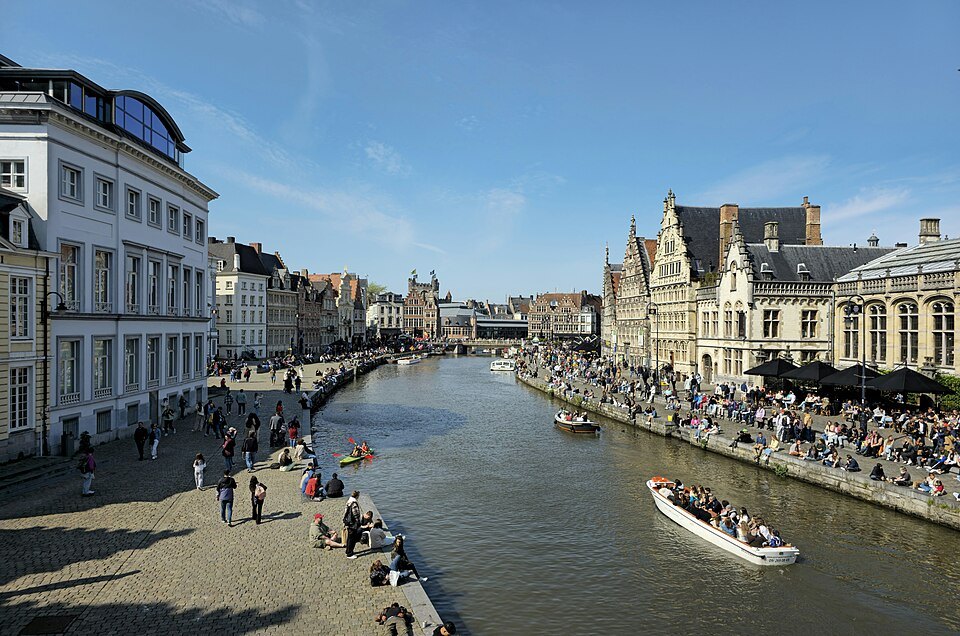
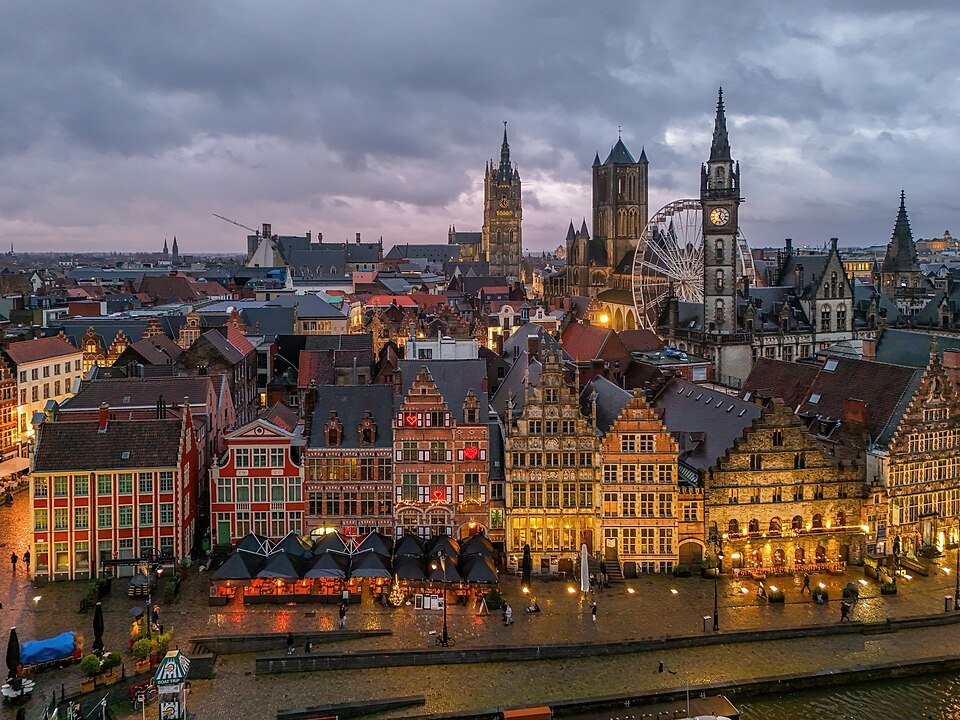
The Graslei and Korenlei in Ghent crowded on a sunny dayRicardalovesmonuments, Wikimedia Commons, CC BY-SA 4.0 Ghenttrain · about half an hourA lively university city with its own canals, the castle of the counts and the Ghent Altarpiece in St. Bavo's Cathedral. The easiest and most rewarding day out from Bruges. - 2
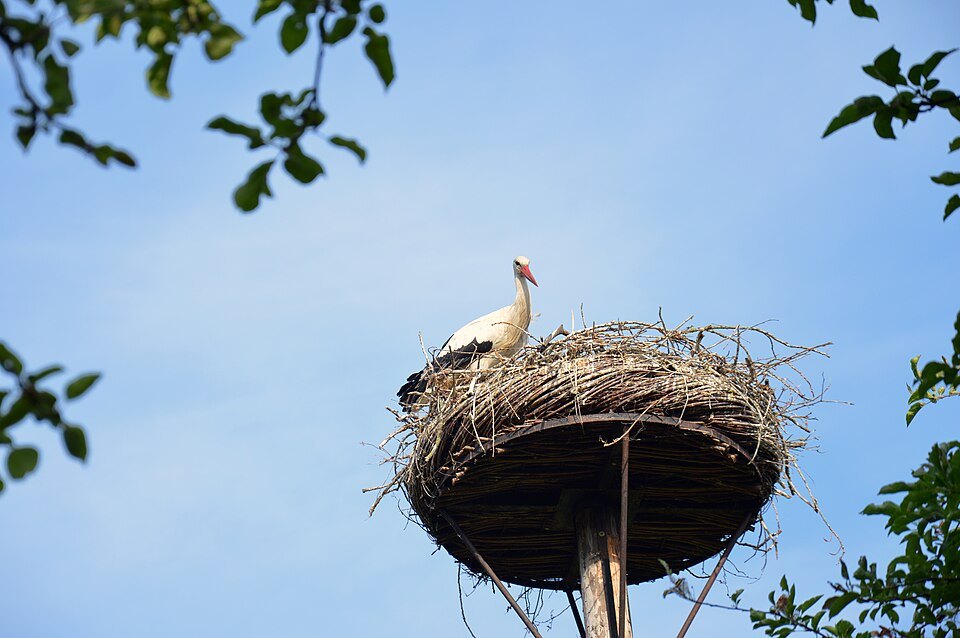
A stork on its nest in DammeDimiTalen, Wikimedia Commons, CC0 Dammebike or boat · under half an hour by bikeA small town on the canal north-east of Bruges, once the city's port on the Zwin. The ride along the tree-lined Damse Vaart is half the pleasure. - 3
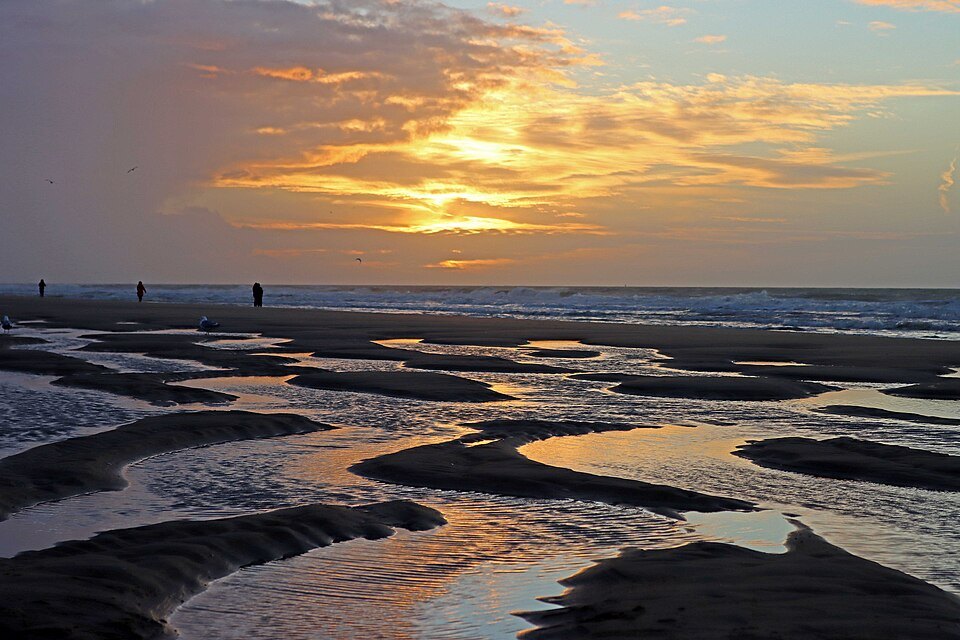
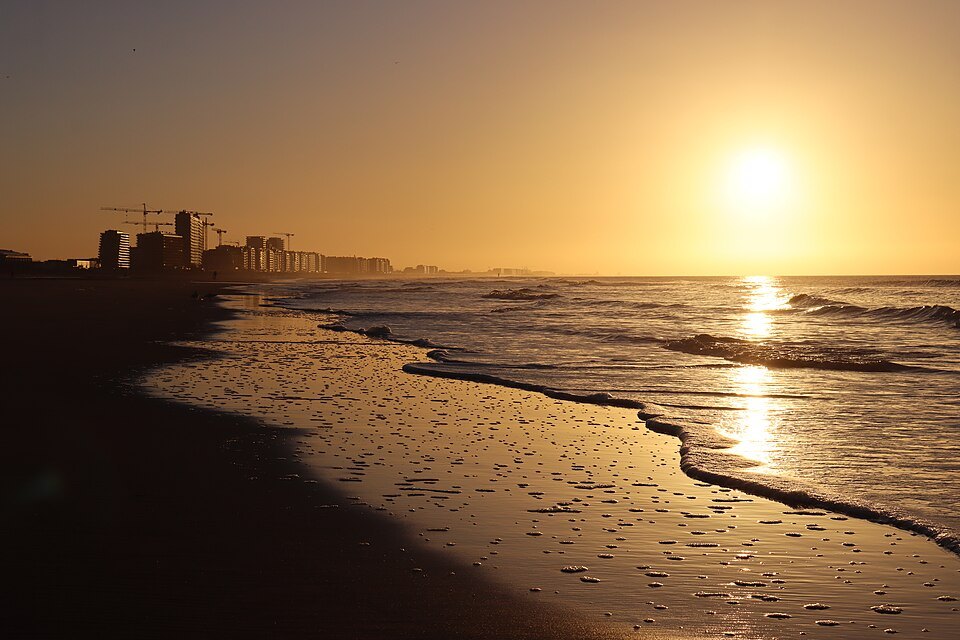
The beach at Ostend at low tide under an evening skyKrisRF, Wikimedia Commons, CC BY-SA 4.0 Ostend and the coasttrain · about a quarter of an hourThe nearest stretch of the North Sea coast, with a long beach and a seafront promenade. A good change of scene on a warm day. - 4
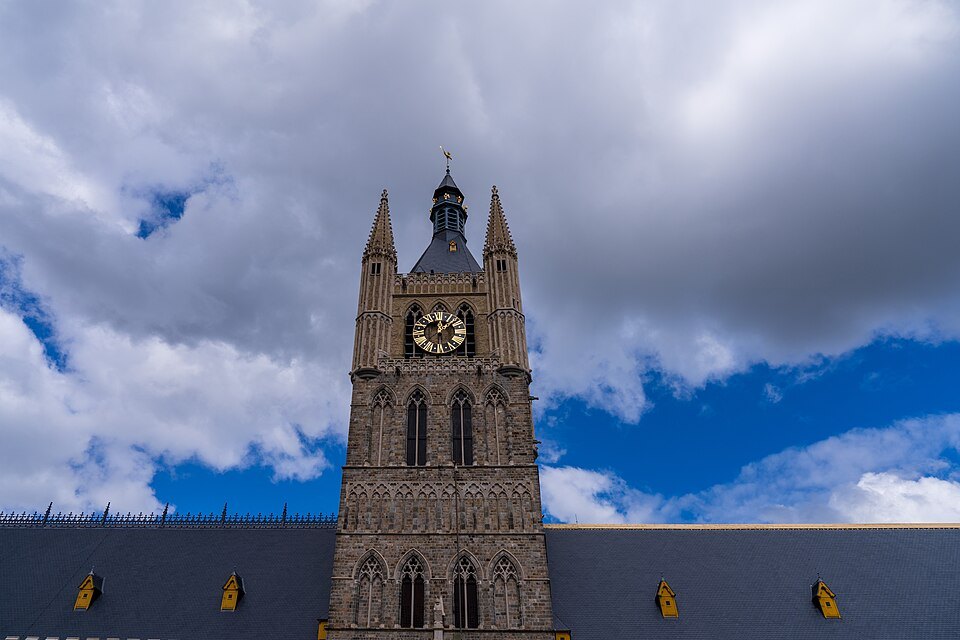
The belfry of the Cloth Hall in Ypres against cloudsLeo Van Vreckem, Wikimedia Commons, CC BY 4.0 Yprestrain · over an hour, usually with a change at KortrijkThe town at the heart of the First World War battlefields of Flanders, with the Menin Gate memorial to the missing and its nightly ceremony. - 5
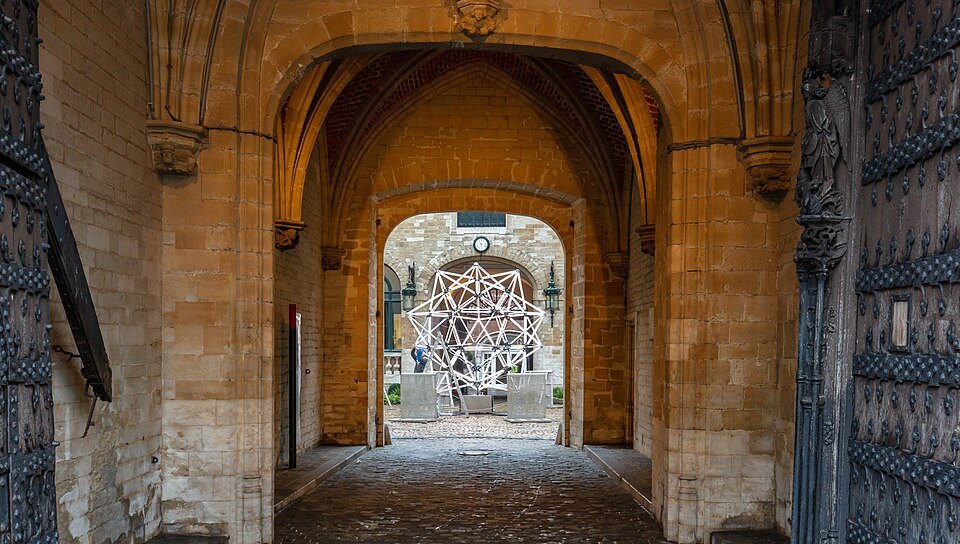
A vaulted passage in the Town Hall on the Grand-Place of BrusselsDiego Delso, Wikimedia Commons, CC BY-SA 4.0 Brusselstrain · about an hourThe capital, with the Grand-Place and its guild houses. Easy by train from Bruges station, with trains every hour. For Brussels itself, its sights, its transport and where to stay, see Access Brussels.
Bruges as a base
Bruges sits in the middle of a small, well-connected country, and its station has fast, frequent trains in every direction. That makes it an excellent base for day trips, especially if you are staying three nights or more. Ghent, the coast and Brussels are all within an hour by train, and the countryside beyond the ramparts is flat and made for cycling.
Choose trips that contrast with Bruges rather than repeat it. Ghent is a busy working city rather than a museum town; Damme is a village-sized glimpse of the Zwin's history; the coast offers sea air; and Ypres tells a story from the twentieth century that Bruges, spared in both world wars, does not.
A good rule is one day trip for every two or three days you spend in Bruges. The city itself needs at least two full days to be seen without hurrying, and its best hours, early mornings and evenings, are lost if you are always on a train. Plan trips for the middle of your stay, and keep the first and last days for Bruges.
Ghent
Ghent is the obvious first choice. Direct trains take about half an hour, and the city center, a short tram or walk from the station, rewards a full day. Its canals, the Graslei and the Korenlei, are lined with guild houses along the river Leie, and boat trips leave from the quays.
The Gravensteen, the castle of the counts of Flanders, rises in the middle of town; it was built in 1180 and was their residence until 1353. And in St. Bavo's Cathedral hangs the Ghent Altarpiece, the Adoration of the Mystic Lamb, completed in 1432 by Jan van Eyck with his brother Hubert. It is one of the most important paintings in Europe, and seeing it after the Van Eyck works in the Groeningemuseum links the two cities; see the Flemish masters.
Ghent feels younger and less polished than Bruges, with more students and fewer souvenir shops. Visiting the altarpiece requires a ticket, so check the cathedral's arrangements before you go.
Damme
Damme is the most charming short trip, and the only one where the journey itself is the point. The town lies on the canal north-east of Bruges and was once the city's transshipment port on the Zwin, until the inlet silted up; it is also known as the literary home of Tijl Uilenspiegel, the prankster of Flemish legend.
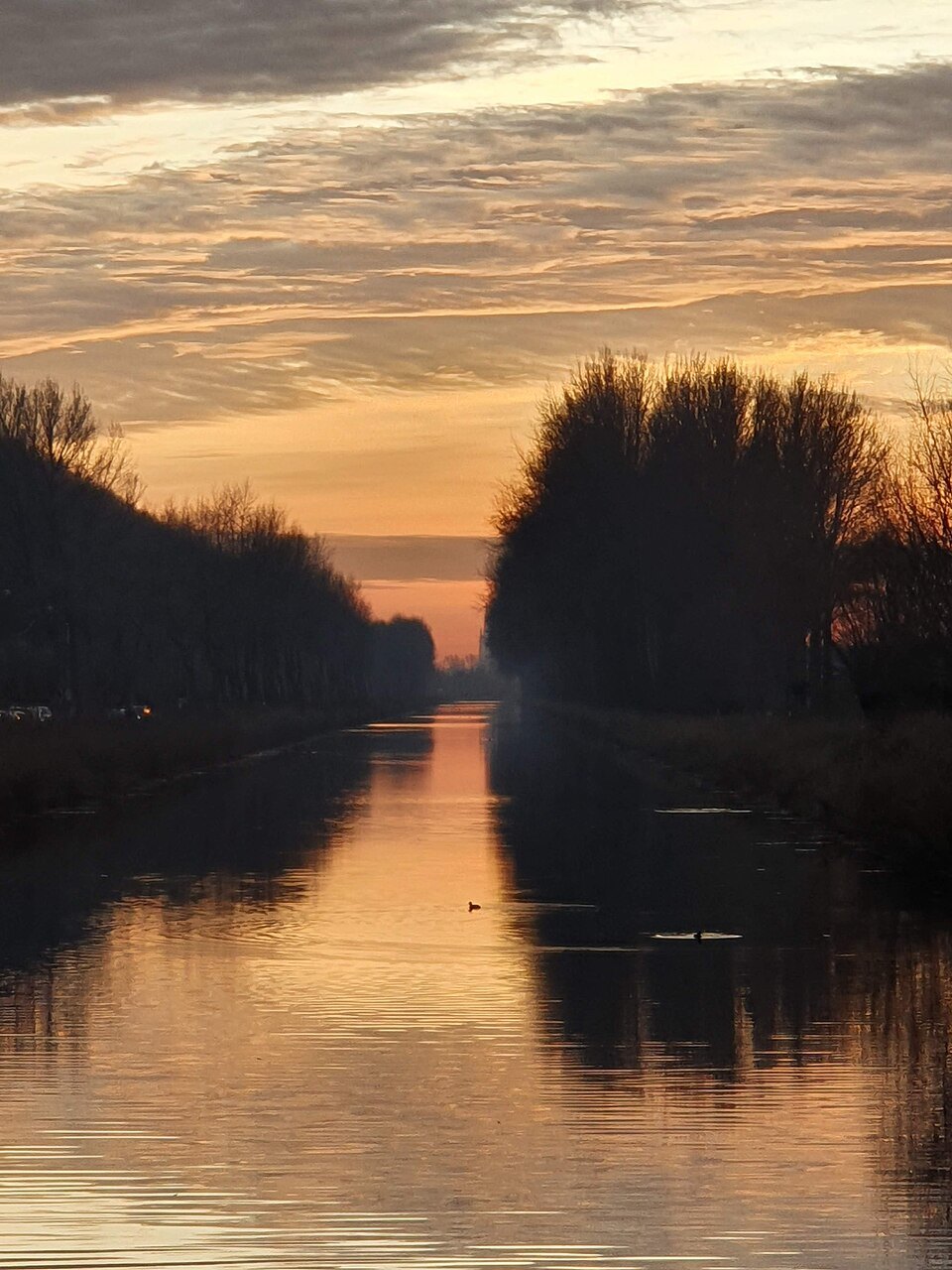
The classic way there is by bike along the Damse Vaart, a flat, paved towpath of roughly seven kilometers under rows of poplars, some more than a century old and twisted by the wind. It takes under half an hour. From April to mid-November the Lamme Goedzak paddle steamer also sails between Bruges and Damme in about thirty-five minutes, and you can take a bike on board to ride one way and sail the other.
In Damme, see the fifteenth-century town hall, climb the tower of the Church of Our Lady for a view over the town and the Zwin region, and visit the museum devoted to Uilenspiegel.
Ostend and the coast
The North Sea is closer than many visitors expect. Direct trains reach Ostend in about a quarter of an hour, and the city has a long sandy beach and a seafront promenade. On a warm summer day, a few hours by the sea make a welcome change from cobbles and churches.
From Ostend, the coastal tram runs along the Belgian shore to other resorts, so it is easy to extend the day. In cooler months the beach is bracing rather than relaxing, but the sea views and fresh air still make a good half-day out.
Ypres
Ypres, or Ieper in Dutch, lies at the center of the Flanders battlefields of the First World War. It is a longer trip, over an hour by train and usually with a change at Kortrijk, but for many visitors it is the most moving day out from Bruges.
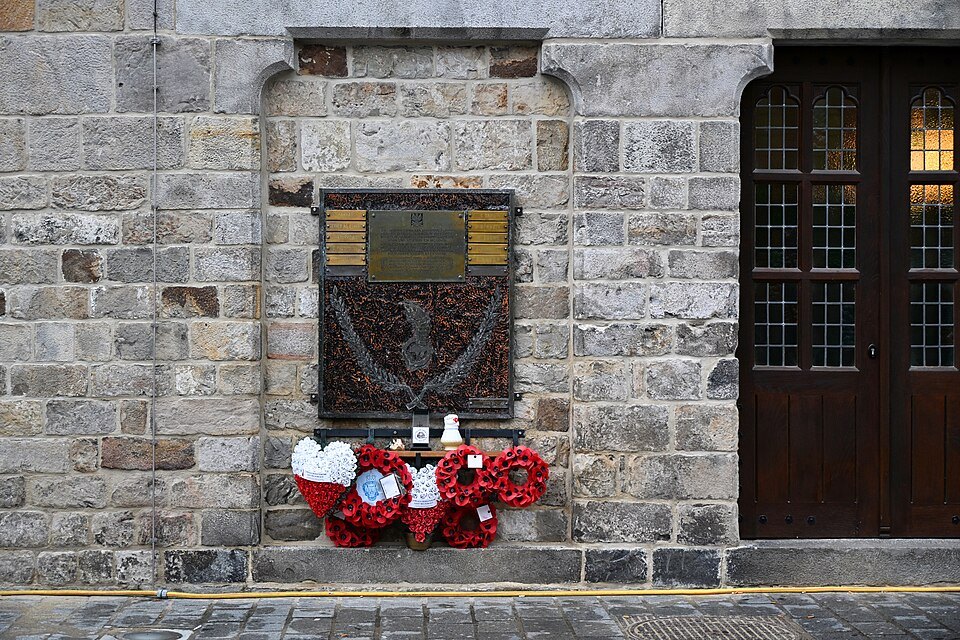
The Menin Gate, unveiled on 24 July 1927 and designed by Sir Reginald Blomfield, carries the names of more than fifty-four thousand British and Commonwealth soldiers who died in the Ypres Salient and have no known grave. Since 2 July 1928 buglers of the Last Post Association have sounded the Last Post beneath it every evening, a ceremony interrupted only during the German occupation in the Second World War. If you want to attend, check the timing and allow for the journey back to Bruges.
Brussels
The capital is about an hour away, with trains every hour from Bruges to Brussels-South, and many continue to the central stations. A day there can take in the Grand-Place and its guild houses, the museums and the city's many neighborhoods, although Brussels is large enough to deserve more than a single day.
If you are arriving in Belgium through Brussels anyway, it can make more sense to spend a night there on the way in or out rather than doing it as a day trip.
Practical notes
Train tickets for short journeys within Belgium can be bought on the day, from machines, ticket offices and the national operator's app. Check the last convenient train back before you set out, especially for Ypres. For bikes, rental shops and shared bikes are available in Bruges; see getting around. For how day trips fit into a longer stay, the itineraries suggest where to place them.
Weekends and summer holidays bring more people onto the trains and into Ghent and the coast, just as they do in Bruges, so a weekday is the better choice for a day out whenever your plans allow it.