Home · The Flemish Masters
In the fifteenth century Bruges was home to some of the most admired painters in Europe. Who they were, why they worked here, and where their paintings hang in the city today.
- Jan van EyckThe Madonna with Canon van der Paele1436Groeningemuseum
- Jan van EyckPortrait of Margaret van Eyck1439Groeningemuseum
- Hans MemlingThe Shrine of St. Ursula1489St. John's Hospital
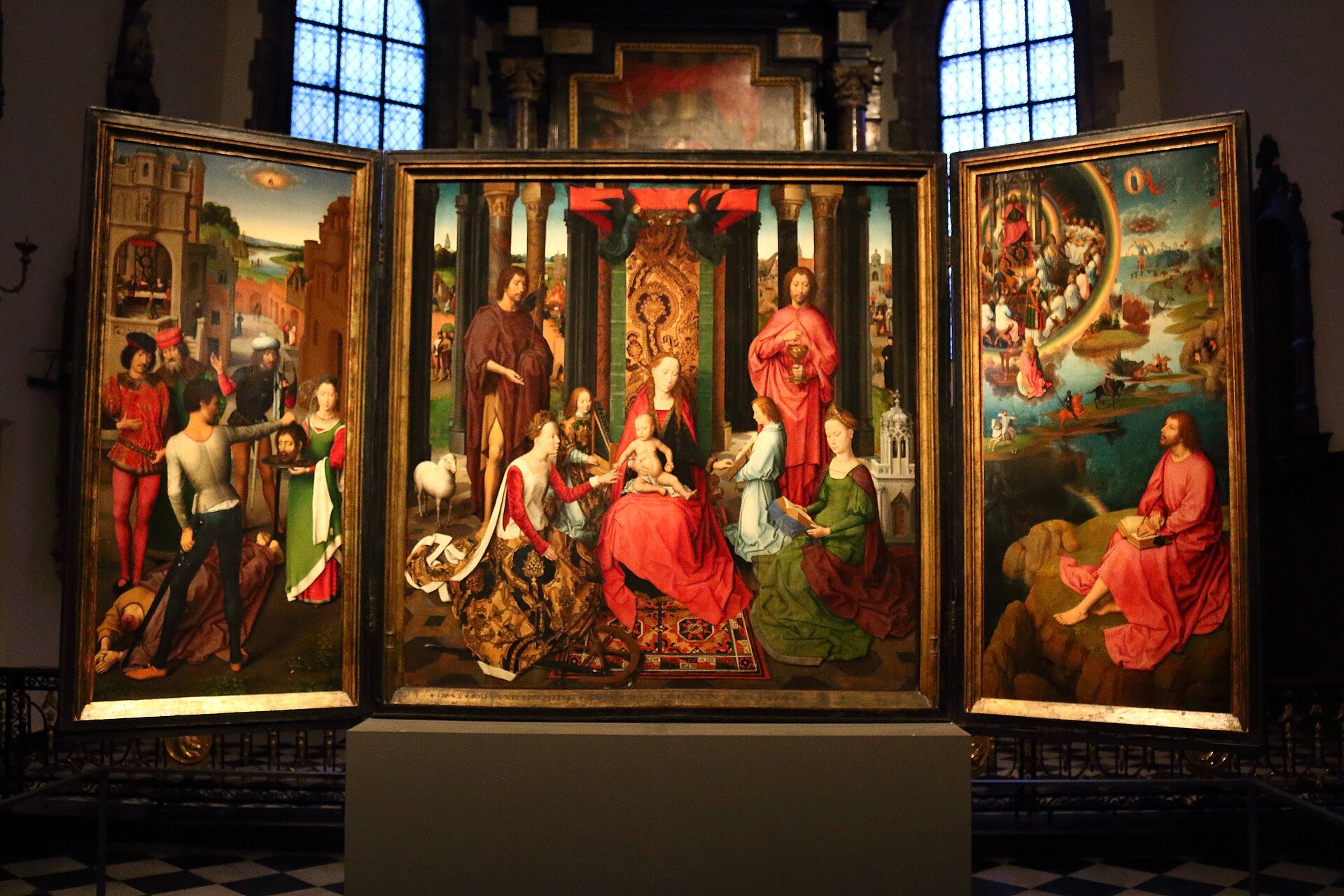
- Hans MemlingThe St. John Altarpiecefifteenth centurySt. John's Hospital
- Hans MemlingDiptych of Maarten van Nieuwenhove1487St. John's Hospital
- Hans MemlingThe Moreel Triptychfifteenth centuryGroeningemuseum
- Gerard DavidThe Judgment of Cambyses1498Groeningemuseum
- Hieronymus BoschThe Last Judgementabout 1486Groeningemuseum
A city of painters
For a few decades in the fifteenth century, Bruges was one of the capitals of European painting. The dukes of Burgundy held court in the city, foreign merchants from Italy, Spain and the Hanseatic towns lived and traded here, and the wealth that flowed through the port paid for portraits, altarpieces and devotional panels of astonishing detail.
The painters who worked in Bruges and the Low Countries in that century are often called the Flemish Primitives or the Early Netherlandish painters. Their oil paintings, with their jewel-like color and minute realism, influenced artists across Europe. Several of the most important of them lived and died in Bruges, and a remarkable number of their works are still in the city.
Why painters came to Bruges
Painters followed money and power, and in the fifteenth century Bruges had both. Philip the Good, Duke of Burgundy, set up a court in the city, and the dukes' taste for luxury, from tapestries to illuminated books to painted portraits, created steady work for artists. Van Eyck came to Bruges precisely because he entered the duke's service.
Trade brought a second group of patrons. A merchant fleet from Genoa had reached the port in 1277, the Hanseatic League kept an office in the city, and by the fifteenth century Italian bankers and merchants lived in Bruges and ordered paintings to send home or to hang in their chapels. Memling's portraits of Italian clients traveled south and changed how Italian painters worked.
The Church, the hospitals, the guilds and wealthy citizens completed the market. The Shrine of St. Ursula was ordered by the sisters of St. John's Hospital; the Madonna with Canon van der Paele takes its name from the canon who paid for it and kneels in it. The paintings in Bruges are the record of a whole society paying for images of itself and its faith.
Jan van Eyck
Jan van Eyck was born around 1380 to 1390 in Maaseik, in what is now Belgian Limburg. After working for John of Bavaria in The Hague, he moved to Bruges around 1425 and entered the service of Philip the Good, Duke of Burgundy, as court painter. In 1428 and 1429 the duke sent him on a diplomatic mission to Lisbon to paint Isabella of Portugal.
In 1432 he completed the Ghent Altarpiece, with his brother Hubert, and in the same year he bought a house in Bruges. About twenty surviving paintings are confidently attributed to him, and ten carry his signature with the motto Als ich can, as I can. He died in Bruges on 9 July 1441 and was buried in the church of St. Donatian, which was demolished in 1799; Philip the Good paid his widow a sum equal to his yearly salary.
Two of his masterpieces hang in the Groeningemuseum on the Dijver: The Madonna with Canon van der Paele, dated 1436, and the portrait of his wife Margaret, painted in 1439. His statue stands on Jan van Eyckplein, the square the city renamed after him in 1844.
Hans Memling
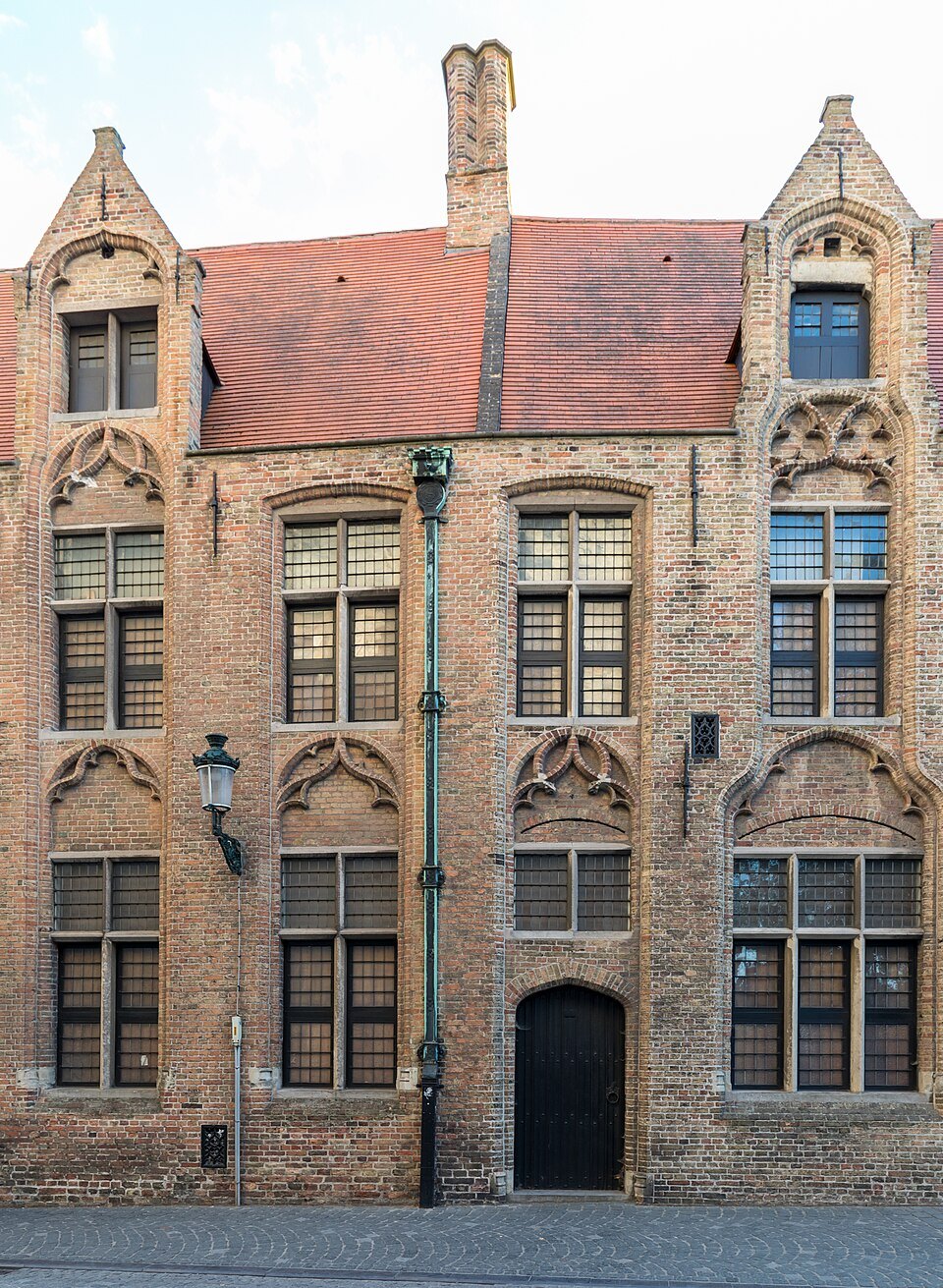
Hans Memling came from further away. He was born around 1430 in Seligenstadt, near Frankfurt, probably grew up in Mainz, and trained in Brussels in the workshop of Rogier van der Weyden. In 1465 he became a citizen of Bruges, where he ran a large workshop and became one of the city's leading artists; by 1480 a tax record listed him among its 875 wealthiest citizens.
His patrons included Bruges institutions and the Italian merchant families who lived in the city, among them the Portinari and the Medici, and his way of setting portraits against landscapes influenced Italian painters. He died in Bruges on 11 August 1494.
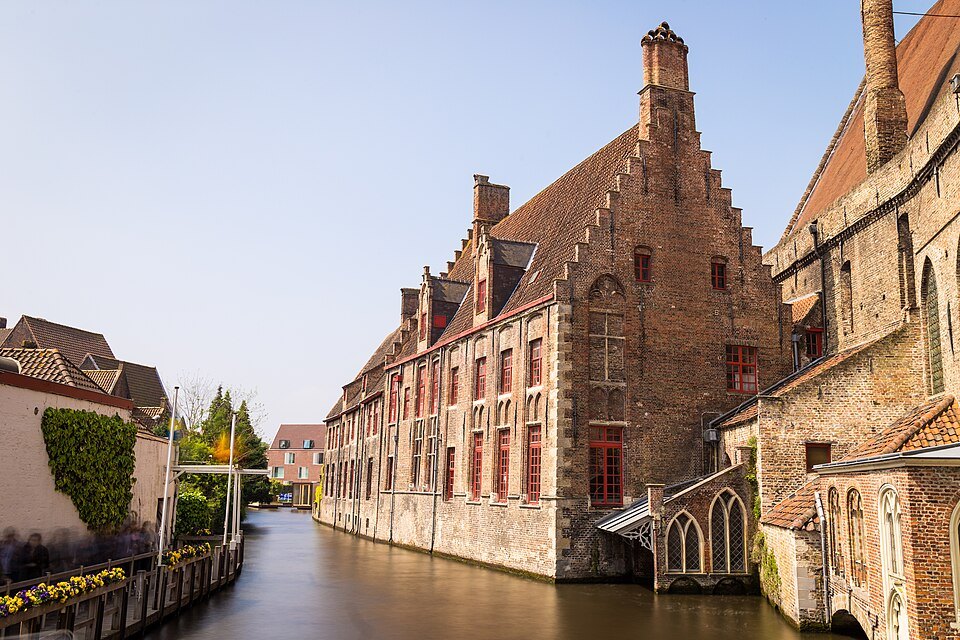
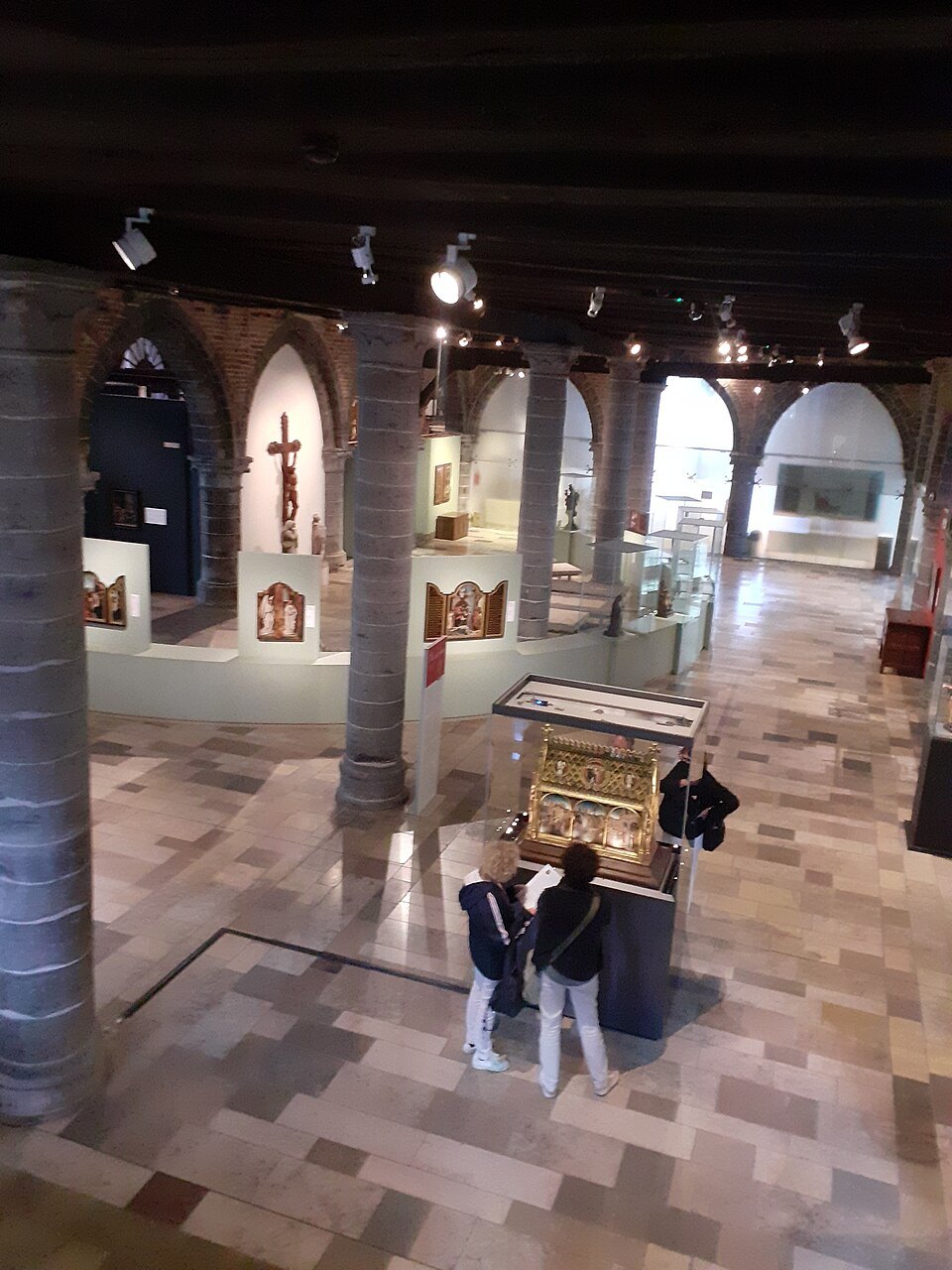
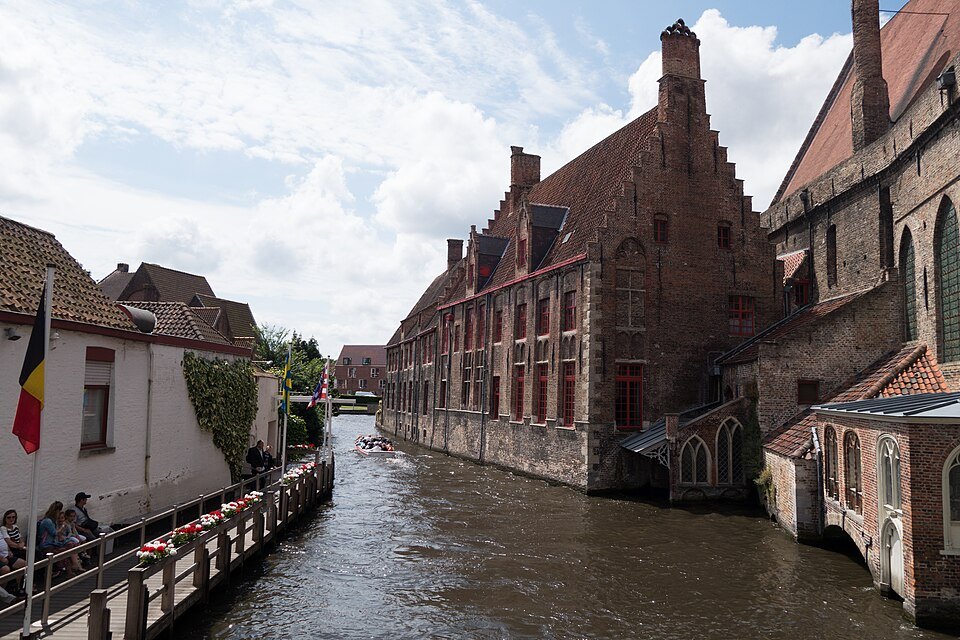
Memling is best seen in the medieval wards of St. John's Hospital, which holds six of his works, including the Shrine of St. Ursula of 1489, commissioned by the hospital's sisters, and the Diptych of Maarten van Nieuwenhove of 1487. The Moreel Triptych hangs in the Groeningemuseum.
There is a melancholy footnote to the story. Van Eyck's grave was in St. Donatian's on the Burg, and when the church was pulled down in 1799 it was lost; only the foundations of the building survive, in the cellars of a hotel on the square. The paintings, not the tomb, are his monument in Bruges.
Gerard David and the next generation
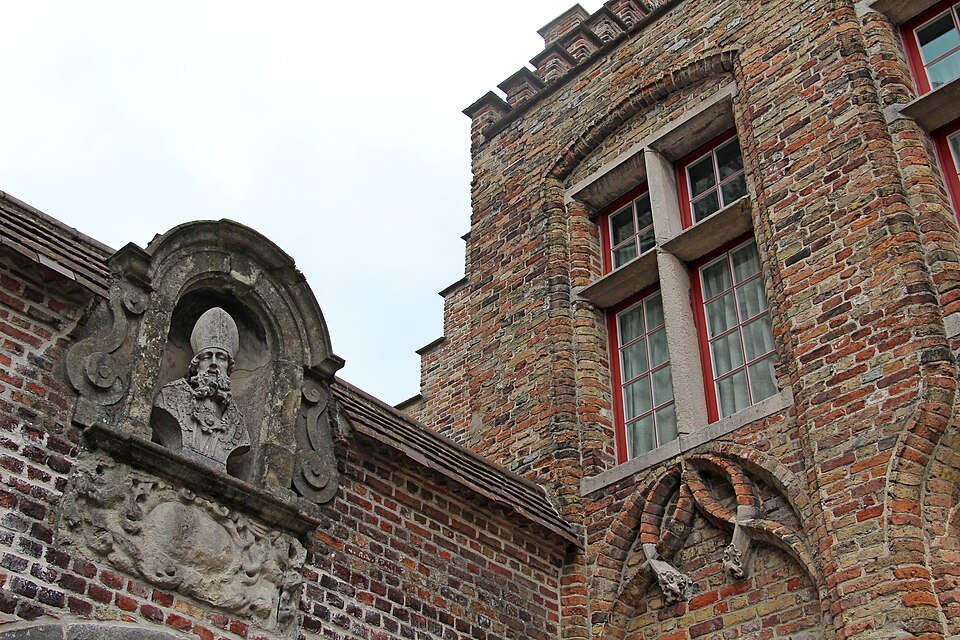
After Memling, Gerard David became the leading painter in Bruges. His two panels of the Judgment of Cambyses, painted in 1498, tell the ancient story of a corrupt judge punished by the king, in unsparing detail, and they are among the most memorable paintings in the Groeningemuseum.
The Groeningemuseum also holds a Last Judgement by Hieronymus Bosch, from around 1486, and works by Pieter Pourbus and other painters who carried the Bruges tradition into the sixteenth century. The museum stands on the site of the medieval Eekhout Abbey and covers six centuries of Flemish and Belgian painting.
Where else to look
The churches hold paintings too. The treasury of St. Salvator's Cathedral keeps works associated with Rogier van der Weyden, Dieric Bouts and Hugo van der Goes, and the Church of Our Lady has an altarpiece by Bernard van Orley above its high altar, as well as the marble Madonna by Michelangelo bought in Italy by Bruges merchants.
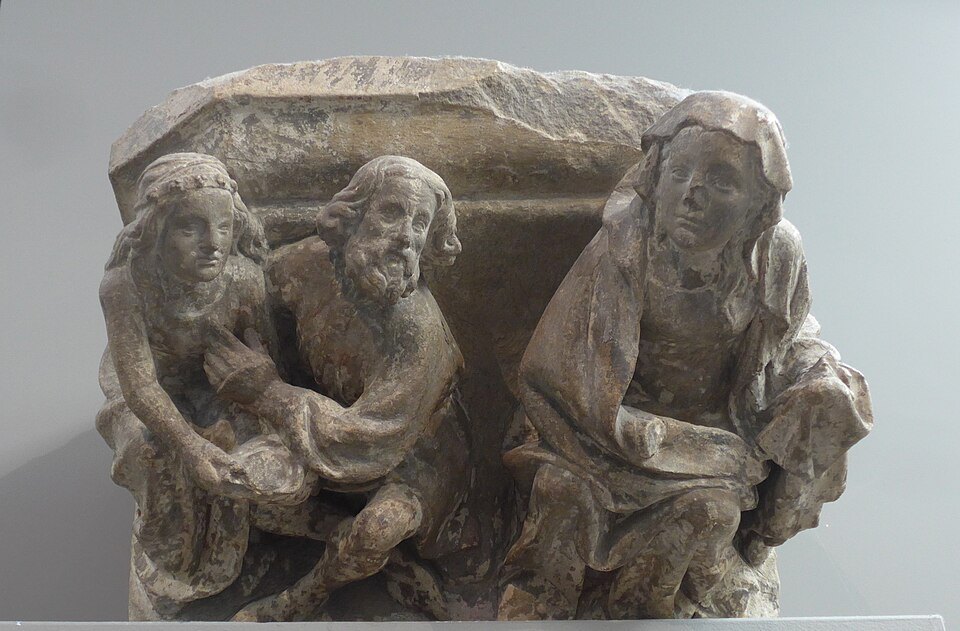
In the Jerusalem Church of the Adornes family, a sixteenth-century Crucifixion is attributed to Ambrosius Benson. And the Ghent Altarpiece, Van Eyck's most famous work, is an easy train ride away in Ghent; see day trips.
Planning a visit around the paintings
The Groeningemuseum and St. John's Hospital are both run by Musea Brugge, whose Musea Brugge Card gives seventy-two hours of access to all its locations with one ticket. Allow about an hour and a half for each museum if the paintings are what you came for, and go early in the day, when the rooms are quieter.
The paintings are small, and they reward standing close and looking slowly: the textures of fabric and metal in Van Eyck's panel, the tiny painted scenes on Memling's shrine. A morning at the Groeningemuseum and an afternoon at St. John's Hospital, with the Church of Our Lady in between, makes a complete day; the itineraries show how to fit it into a longer stay.