Home · Itineraries
Routes through Bruges by the length of your stay, planned on foot around the city's rhythm: squares early, museums in the middle of the day, canals in the evening, and the weekly museum closing day.
One day
- Morning
- The Markt and the Belfry climb, booked for early; then the Burg, the City Hall and the Basilica of the Holy Blood.
- Afternoon
- Through the Blinde Ezelstraat arch to the Rozenhoedkaai, along the Dijver to the Church of Our Lady and St. John's Hospital.
- Evening
- The Beguinage and the Minnewater in the late light, then back along the canals to the lit squares.
Two days
- Day one, morning
- The Markt, the Belfry and the Burg.
- Day one, afternoon
- The Rozenhoedkaai, a canal boat, and the Church of Our Lady.
- Day one, evening
- The Beguinage and the Minnewater.
- Day two, morning
- The Groeningemuseum on the Dijver.
- Day two, afternoon
- The Gruuthuse and St. John's Hospital with the Memling paintings.
- Day two, evening
- North to Jan van Eyckplein and the quiet Groenerei.
Three days
- Days one and two
- As the two-day plan.
- Day three, morning
- East through the Sint-Anna quarter to the Jerusalem Church and the Adornes estate.
- Day three, afternoon
- The Kruisvest windmills and the ramparts, past the Kruispoort and the other city gates.
- Day three, evening
- St. Salvator's Cathedral and a last walk along the canals.
Five days
- Days one to three
- As the three-day plan.
- Day four
- A day trip by train to Ghent.
- Day five
- By bike along the canal to Damme, or the train to the coast.
A week
- Days one to five
- As the five-day plan.
- Day six
- The train to Brussels, or to Ypres for the First World War memorials.
- Day seven
- A slow day back in Bruges: the brewery, the northern canals and a boat at dusk.
How to plan a day in Bruges
Bruges is small enough that you never need transport inside the ring of canals, and its sights sit in clusters: the two squares in the center, the museums and churches to the south, the Beguinage and the lake at the southern edge, the harbor quarter to the north, and the windmills and gates to the east. Plan each day around one or two clusters and you will walk less and see more.
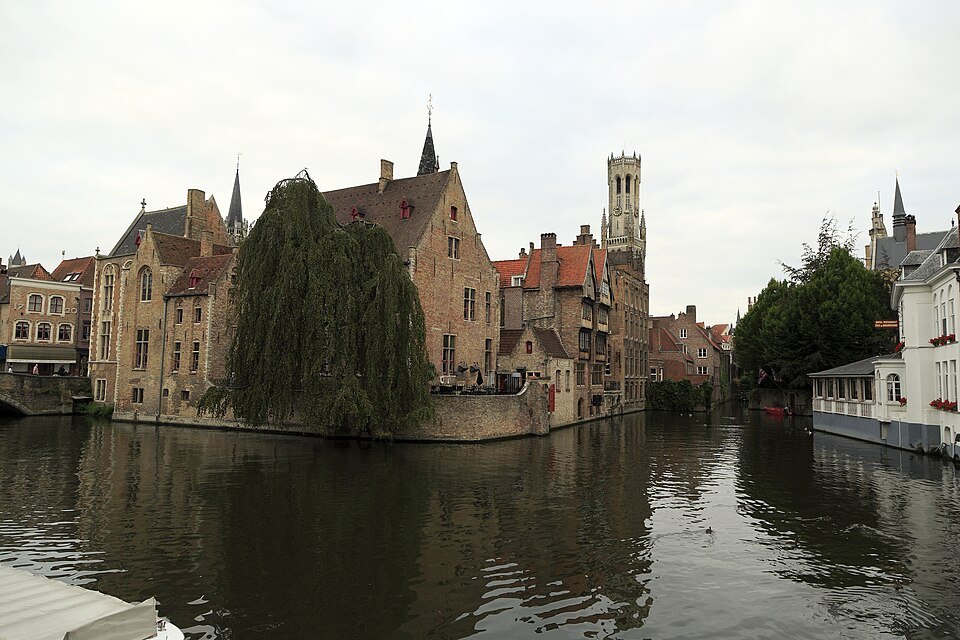
Two rhythms shape a good day. The first is the crowd: day visitors fill the Markt, the Burg, the Rozenhoedkaai and the boat stages from late morning to late afternoon, so see those places early and late. The second is the museums: Bruges museums usually close one day a week, so check which before planning a museum-heavy day, and put the museums in the middle of the day, when the streets are fullest.
One day
Start early at the Markt with a Belfry slot booked for the first part of the morning; the view over the roofs sets out the whole city you are about to walk. Then cross to the Burg for the City Hall and the Basilica of the Holy Blood before the tour groups arrive.
Walk through the Blinde Ezelstraat arch to the fish market and the Rozenhoedkaai, and follow the canal south along the Dijver. In the afternoon, visit the Church of Our Lady for Michelangelo's Madonna and cross the street to St. John's Hospital, or take a half-hour canal boat if you would rather be on the water.
End the day at the Beguinage and the Minnewater as the light softens and the crowds leave, then wander back through the quiet southern lanes to the squares, which are lit after dark.
Two days
With two days, you can spread the essentials out and add the museums properly. Keep the first day for the center, the canals and the south, with a boat trip in the afternoon and the Beguinage in the evening.
Give the second morning to the Groeningemuseum on the Dijver, the home of Van Eyck's and Gerard David's masterpieces, and the afternoon to the Gruuthuse and St. John's Hospital with its Memling paintings; the Flemish masters explains what to look for. In the evening, walk north to Jan van Eyckplein and back along the Groenerei, the calmest canal in the center.
Three days
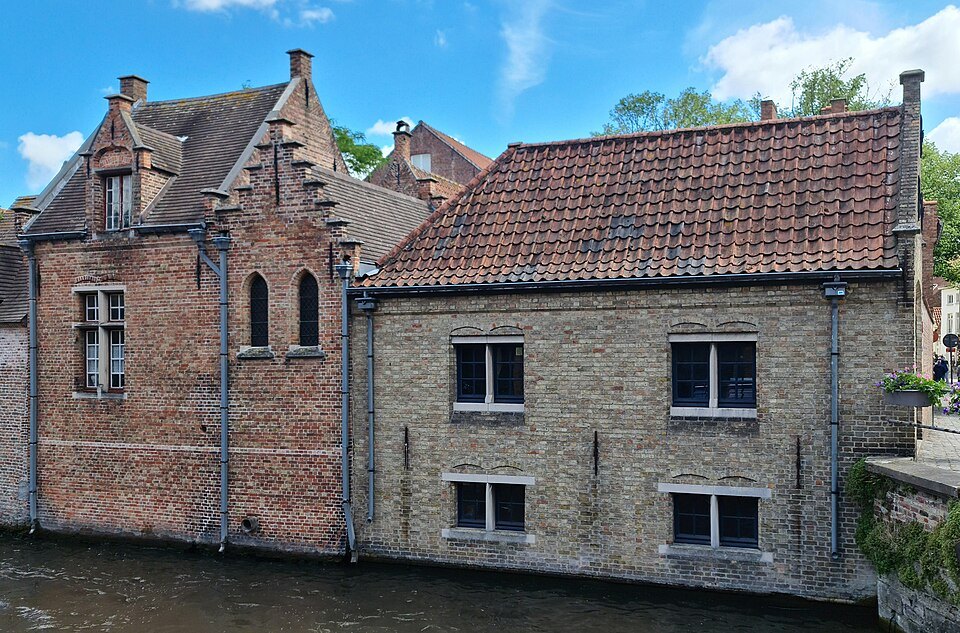
A third day lets you see the Bruges most visitors miss. Walk east through the residential Sint-Anna quarter to the Jerusalem Church and the Adornes estate, with its crypt and family museum.
In the afternoon, climb up to the ramparts at the Kruisvest, where four windmills stand on their mounds, and follow the green ring past the Kruispoort and on towards the other city gates. Check before you go whether the museum mills can be visited that day. End the day at St. Salvator's Cathedral and with one last walk along the canals.
Five days and a week
With five days, use Bruges as a base for the region. Ghent, with its own canals and the Ghent Altarpiece, is about half an hour away by train. Damme, a small town on the canal north-east of Bruges, is an easy bike ride along the water or a short boat trip in season, and the coast at Ostend is about a quarter of an hour by train.
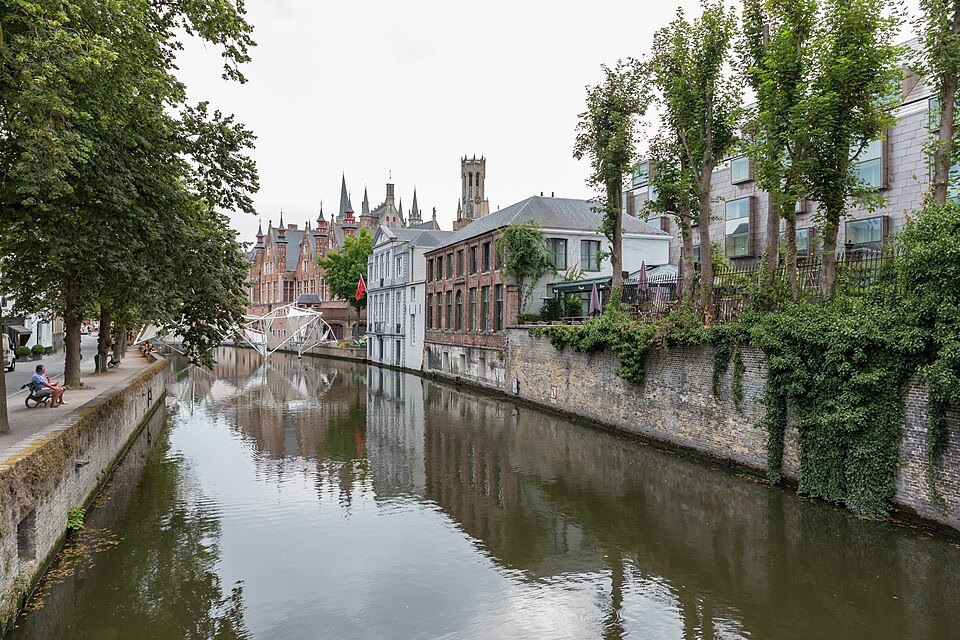
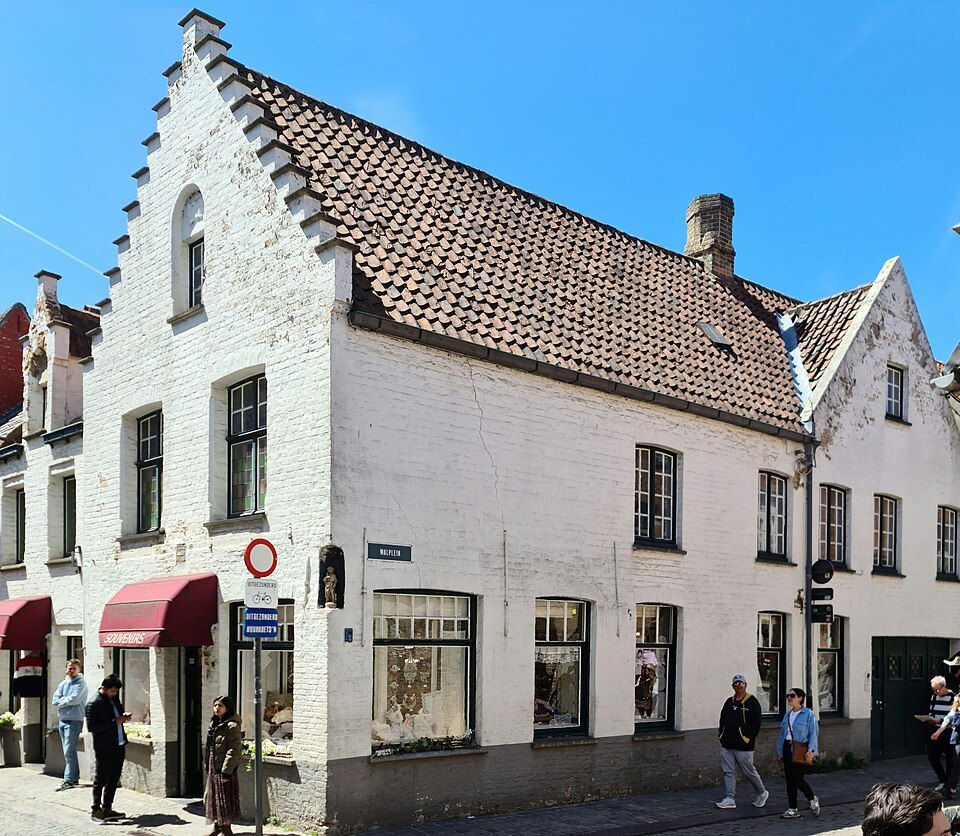
With a week, add Brussels, about an hour by train, or Ypres, for the First World War memorials, a longer journey with a change of train. Keep the last day for Bruges itself: a brewery tour on the Walplein, the northern canals, and a boat or a walk at dusk. All these trips are described in day trips.
Practical notes
Book the Belfry slot for early in the day and check the other visits on booking ahead. Wear comfortable shoes with grip, because the cobbles are uneven and slippery in rain. Carry a light waterproof in every season.
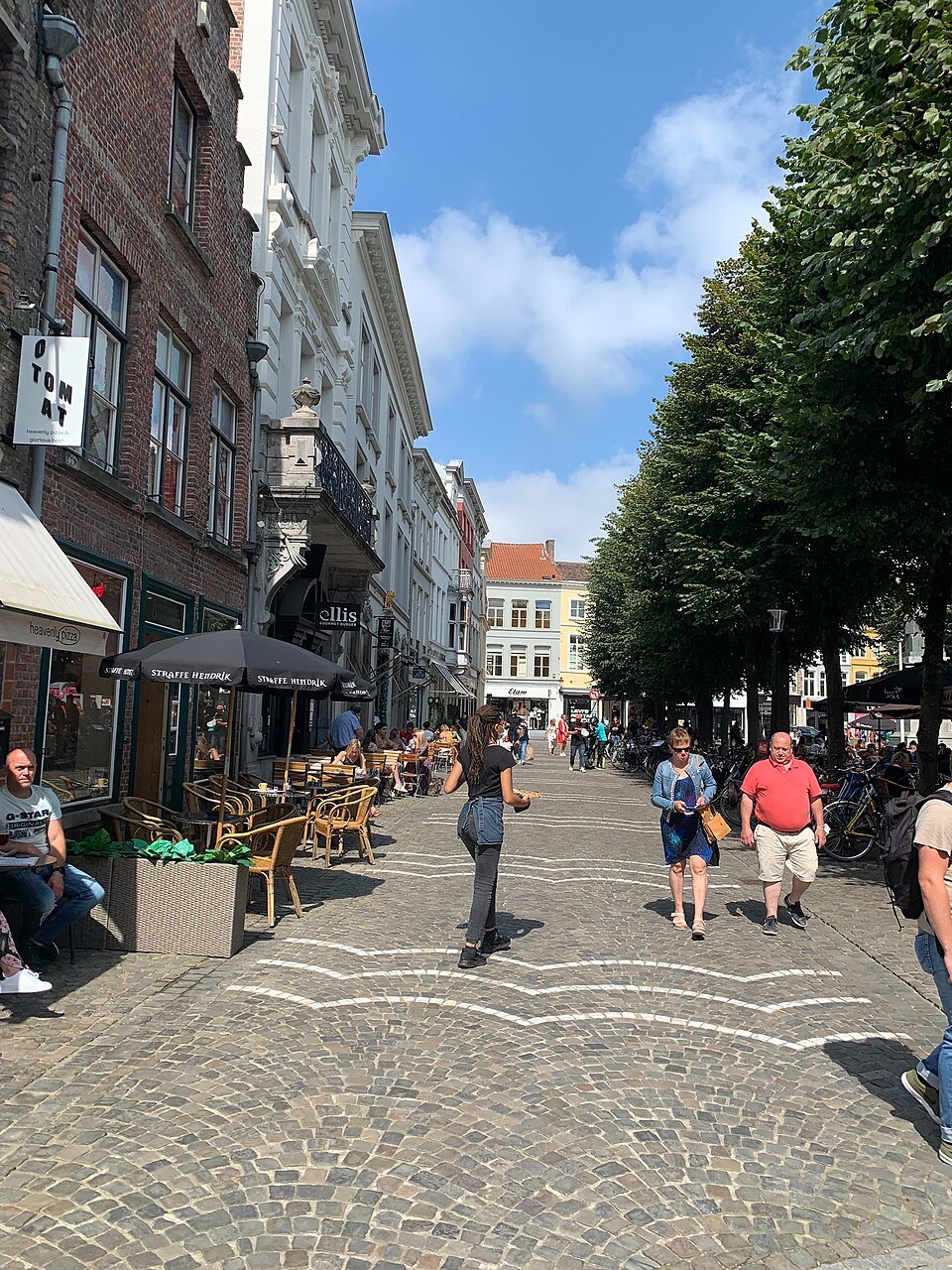
These plans assume you walk everywhere inside the ring, which is the right way to see Bruges. If walking is difficult, the bus from the station reaches the Markt in a few minutes, and a horse-drawn carriage ride from the Markt gives a restful overview of the center. For a base that shortens your walks, see where to stay.
With children
Bruges works well for families, as long as the days include breaks from churches and paintings. The Belfry climb is a favorite, and Musea Brugge provides hearing protection in child sizes for the bells; the canal boats are an easy half hour on the water; and the Frietmuseum and the Choco-Story chocolate museum are designed with younger visitors in mind.
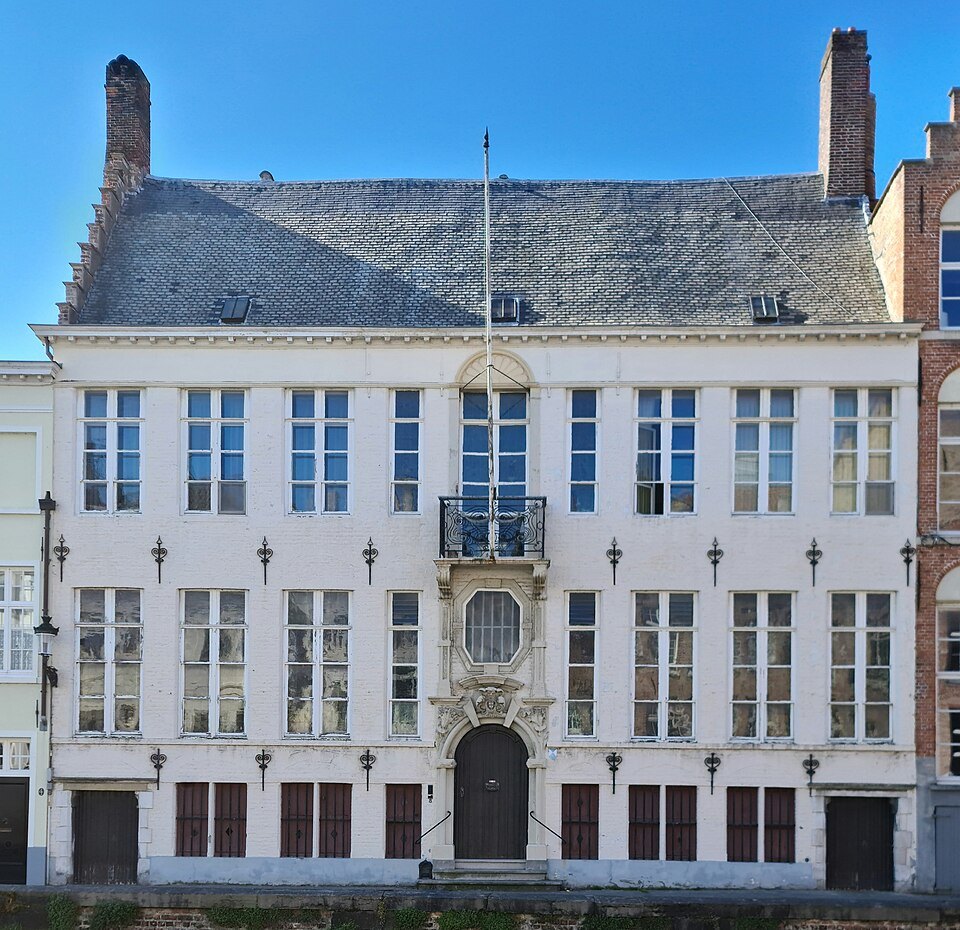
The Minnewater park and the green ramparts give space to run, and the windmills are a good goal for a walk, although the stairs inside the museum mills are too steep for small children. Build in time on the squares and by the water rather than packing in sights.
In winter
Winter days are short, so start the outdoor walks as soon as it is light and save the museums for the afternoon. From late November into early January the Christmas market fills the Markt and Simon Stevinplein, and the squares are at their liveliest after dark under the lights.
From November to February not every canal boat stage runs every day, and the museum windmills keep limited seasons, so check before planning around them. In return, the churches, museums and quays are far less crowded, and a misty morning on the Groenerei is one of the most atmospheric sights in the city. See when to come for the rest of the year.