Home · Booking Ahead
Very little in Bruges needs booking, and most of the city is simply walked. The handful of visits worth fixing in advance, the ones to check on the day, and the many you can just walk into.
- PlanCheck the day
- Brewery tour at De Halve MaanGuided tours of the city-center brewery run daily; check availability for the day you want.
- Museums on the Musea Brugge CardOne card covers every Musea Brugge location for seventy-two hours; plan the order so busy sites come early.
- The Adornes estate and Jerusalem ChurchRun privately with its own arrangements; check before you walk out to the Sint-Anna quarter.
- The windmillsThe two museum mills open only in certain periods; check Musea Brugge.
- BookFix a time first
- Climbing the BelfryMusea Brugge strongly recommends booking a time slot online; late arrivals lose their slot.
- Seats for the Holy Blood processionBench and grandstand seats on the route are sold in advance through the procession's own site.
- No needJust go
- Canal boatsTickets are sold only at the landing stages; individual visitors cannot reserve.
- The Markt, the Burg and the quaysPublic squares and streets, open and free at all hours.
- The BeguinageThe courtyard is freely accessible during its opening times; just go, quietly.
Mostly, just go
Bruges is an unusually easy city to visit without planning. Its best experiences, walking the canals, standing on the Rozenhoedkaai, crossing the Markt and the Burg, wandering into the Beguinage, cost nothing and need no ticket. Many visitors spend a whole day in the city without booking anything at all.
A few things are different. One sight fills up, one yearly event sells seats, and a handful of places run on their own schedules. Knowing which is which saves you from arriving at a closed door or a sold-out time slot, and this page sorts them into three kinds: book, plan, and just go.
Some links on this page are affiliate links. If you book through one we may earn a commission, at no extra cost to you. It does not affect what is recommended here, and no sight page on this site carries one.
Time slots and tickets arrive by email and app; mobile data from the moment you land keeps them to hand.
Book: the Belfry
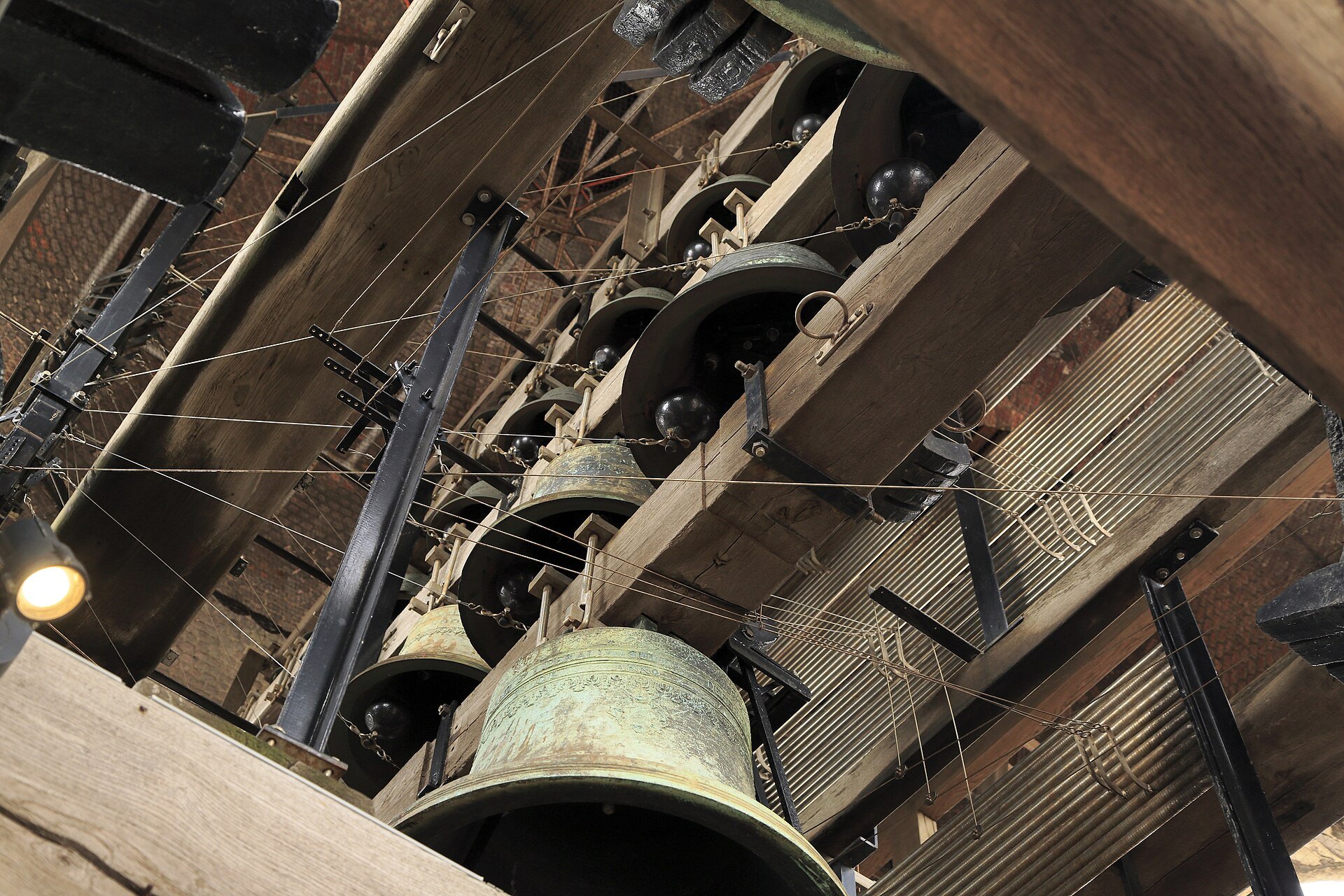
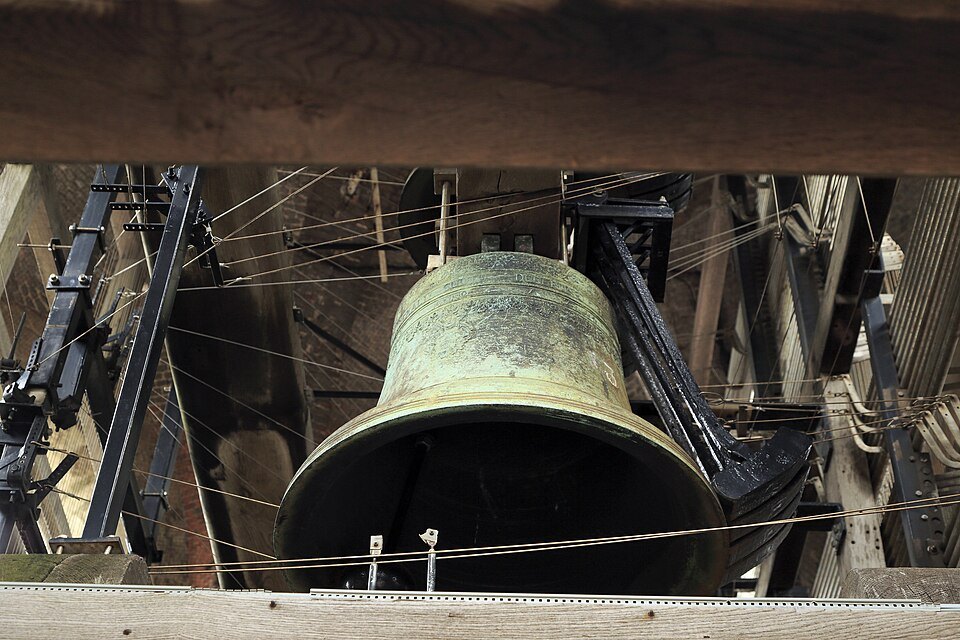
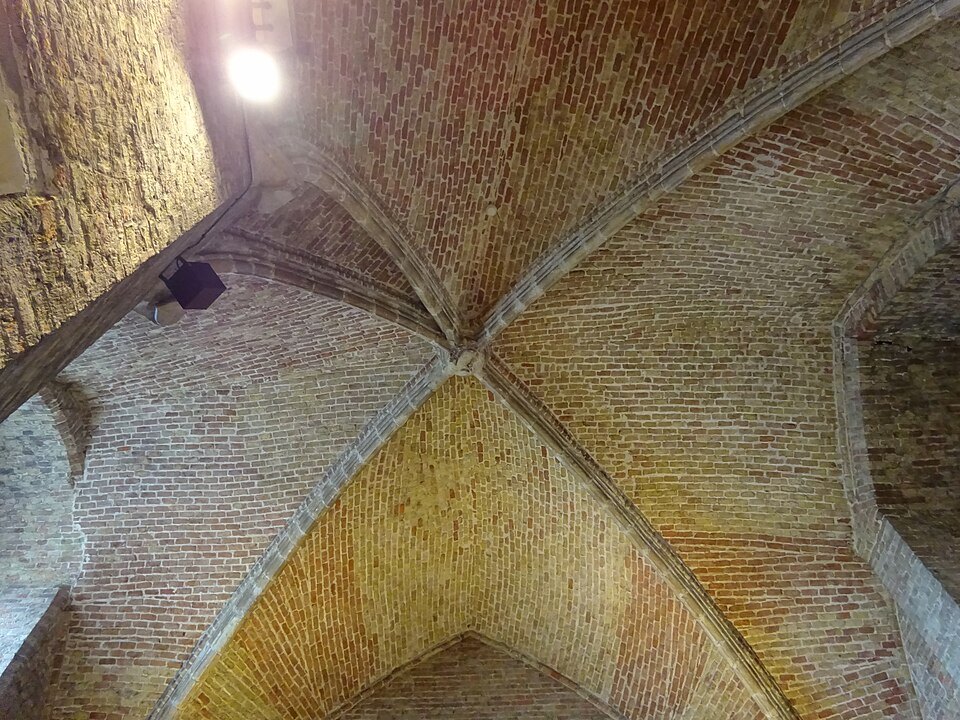
The Belfry is the one sight in Bruges that regularly needs booking. Musea Brugge describes it as a busy location and strongly recommends reserving a time slot online. Tickets are for a set entry time and expire if you arrive late, so leave a margin if you are coming from elsewhere in the city.
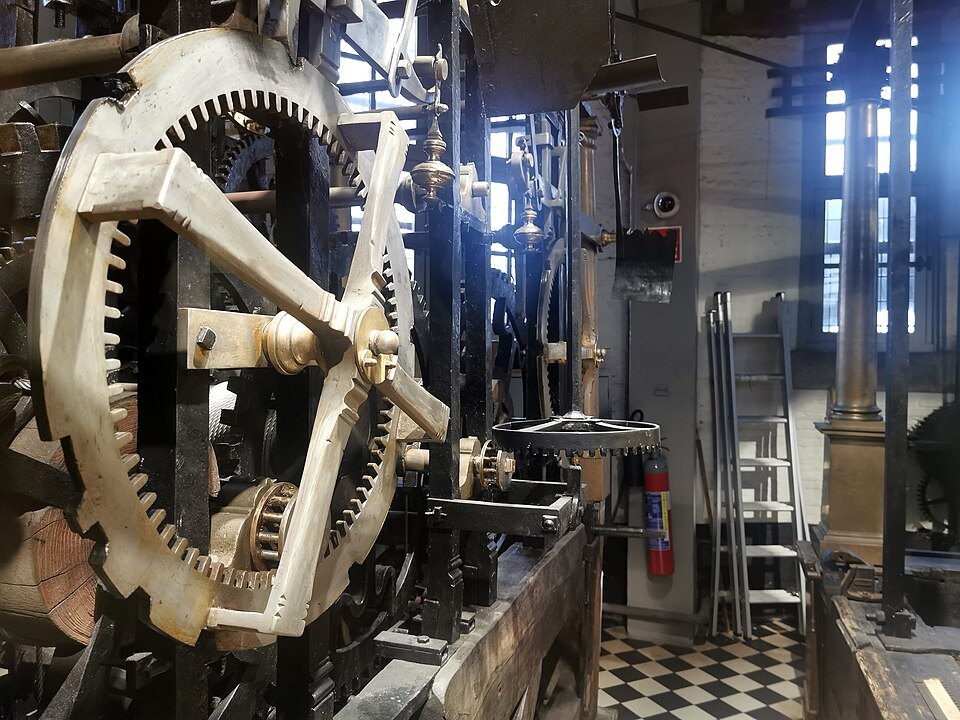
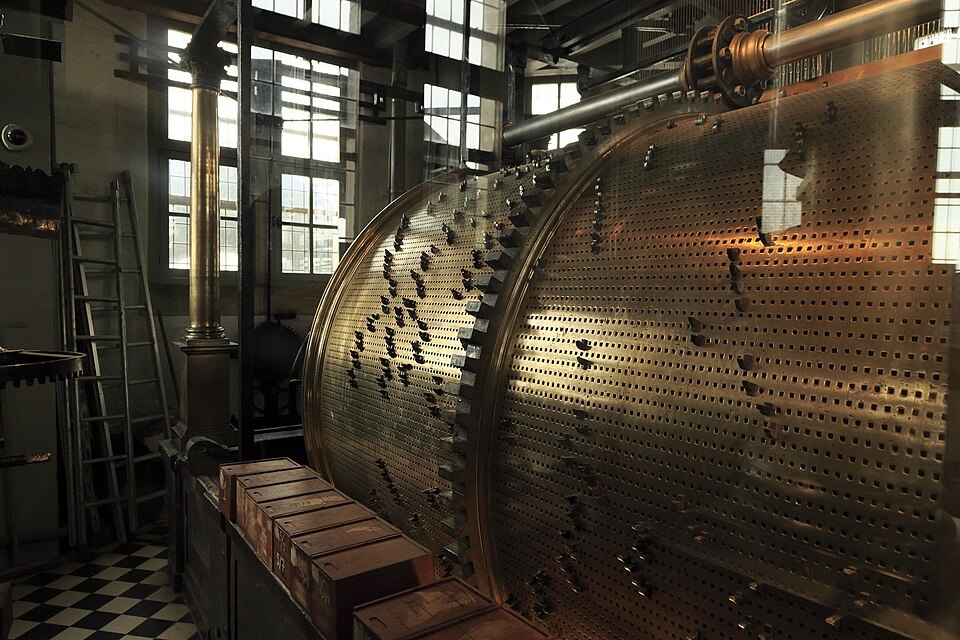
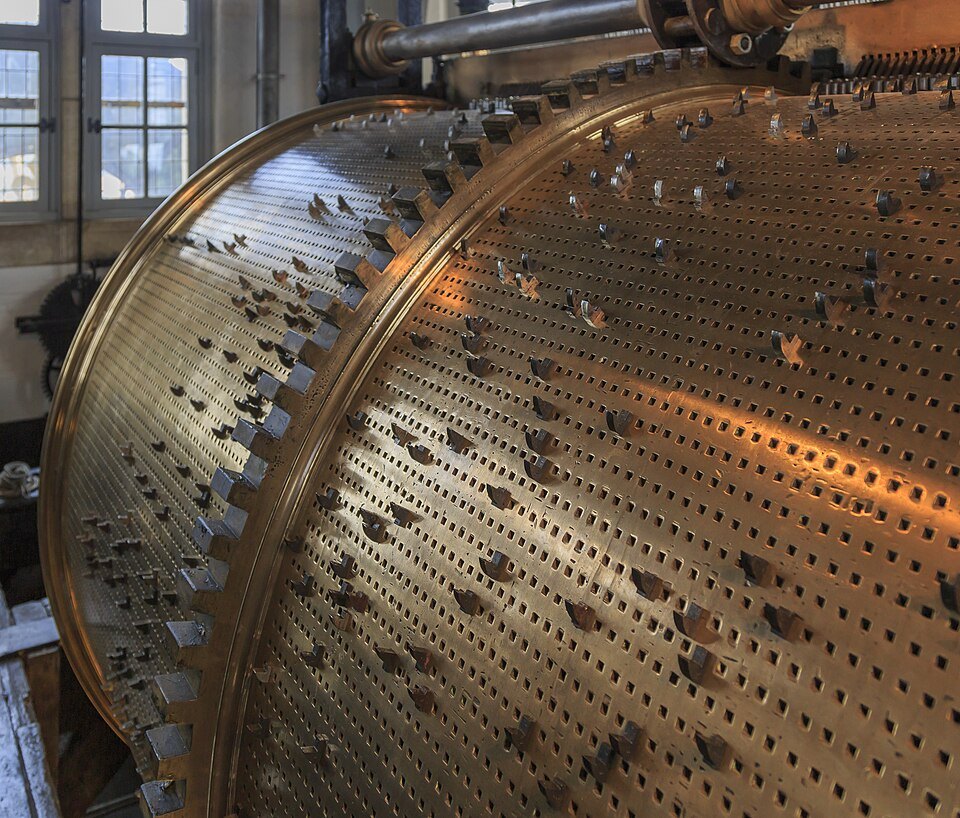
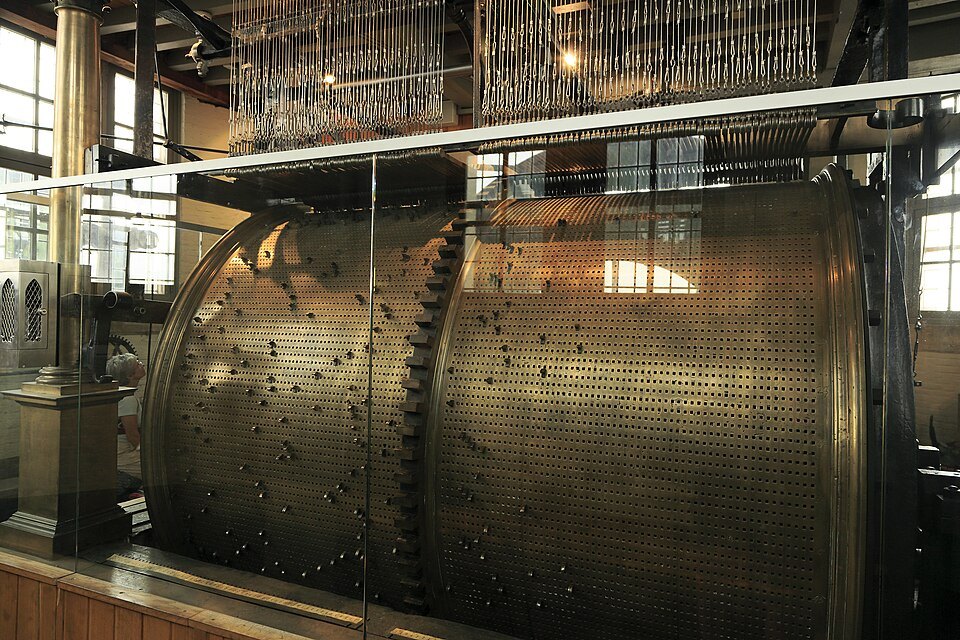
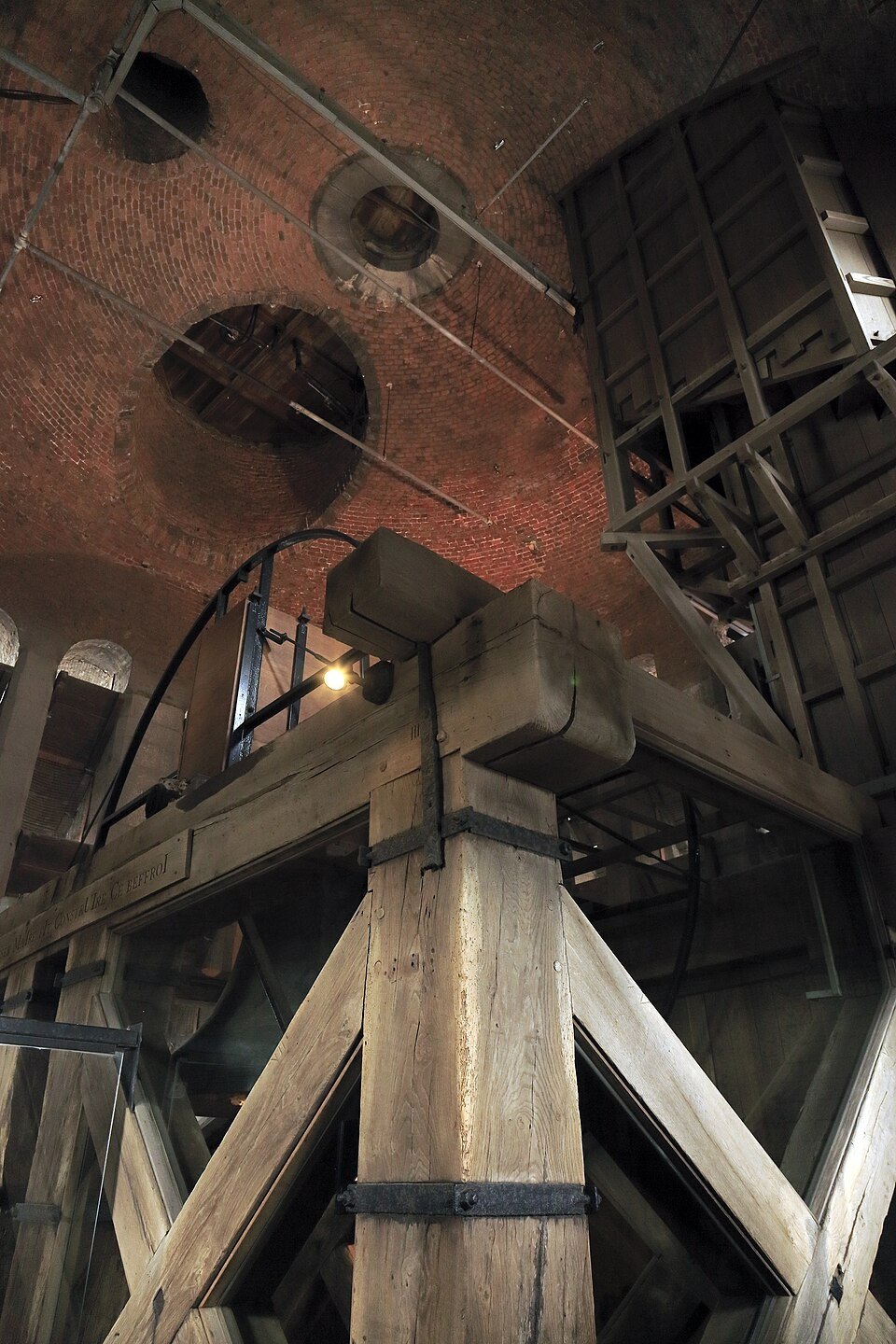
Booking also lets you plan around the bells. Musea Brugge suggests choosing a slot just before the hour, so that you are near the carillon mechanism when it plays. The climb takes about an hour and has 366 steps, no lift and steep upper flights.
Book: the Holy Blood procession
Every year on Ascension Day the Procession of the Holy Blood winds through the center, watched by tens of thousands of people. Standing along the route is free, but the best viewpoints fill early.
Seats on benches and in grandstands along the route are sold in advance through the procession's official website and at the city's ticket offices, with reduced rates for some groups. If you want a seat, look for ticket sales in the spring, and note the procession's starting point and route before the day.
Plan: museums, brewery and private sites
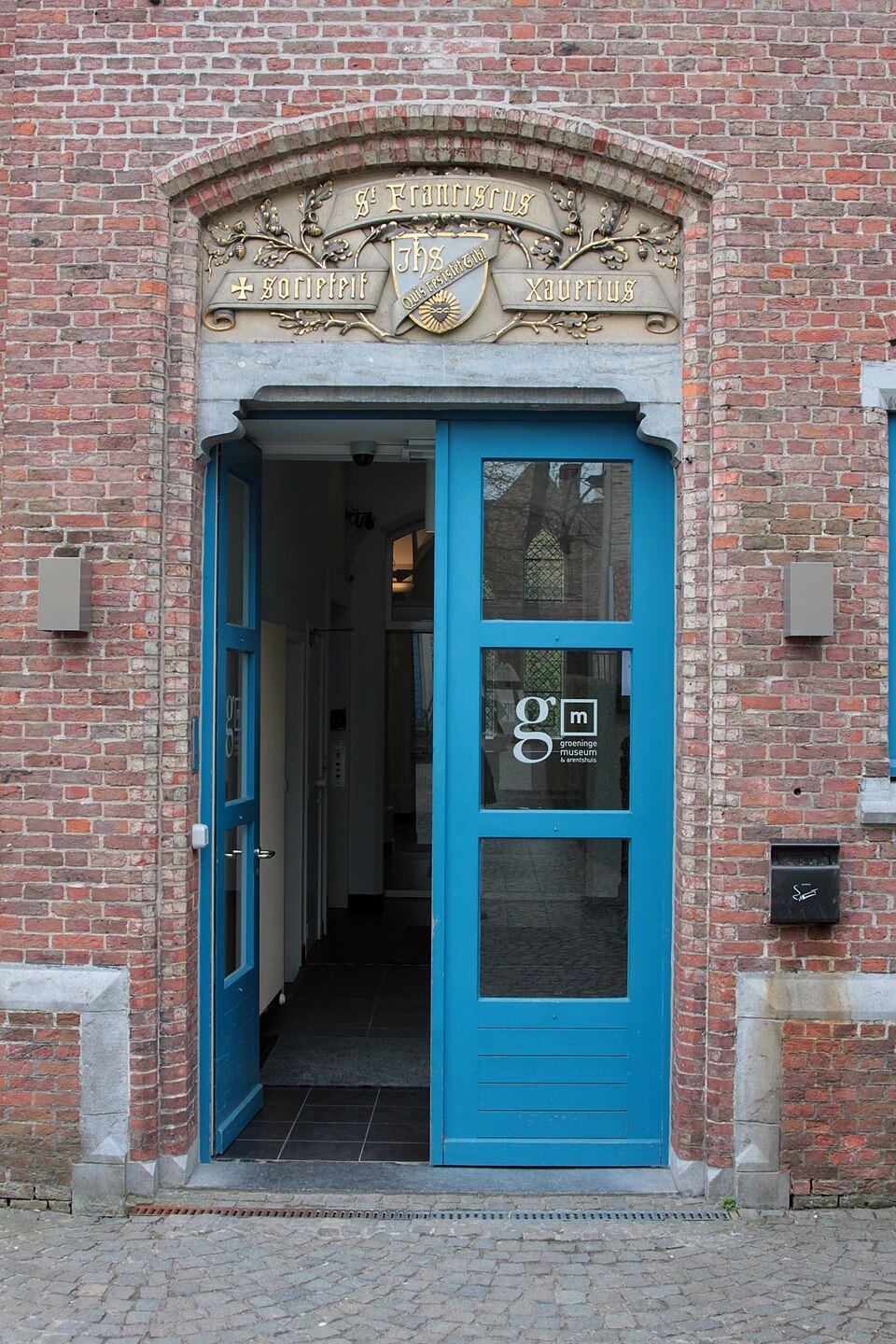
The Musea Brugge Card gives seventy-two hours of access to all Musea Brugge locations with one ticket, including the Belfry, the Groeningemuseum, the Gruuthuse, St. John's Hospital and the museum part of the Church of Our Lady. The card activates at your first visit, and it can be bought up to a year ahead. Even with the card, Musea Brugge recommends booking a slot for the busiest sites.
The De Halve Maan brewery on the Walplein, a family business brewing in Bruges since 1856, runs guided tours every day that end with a glass of its Brugse Zot beer. Tours are popular, so check availability for your day before building a plan around one.
The Jerusalem Church and its museum are run privately by the Adornes estate, and the two museum windmills open only in certain periods. Neither needs a reservation, but both need a quick check before you walk out to the edge of the old town.
Just go: boats, squares and the Beguinage
The canal boats cannot be reserved by individual visitors at all: tickets are sold at the five landing stages, and you simply join the line. Go early or late in the day to keep the wait short.
The squares, quays and ramparts are public space, open at all hours. The Beguinage courtyard can be entered freely during its opening times, and the churches usually welcome visitors outside services. None of these needs any planning beyond comfortable shoes.
Concerts, festivals and events
The Concertgebouw, the city's concert hall on 't Zand, has a season of performances, and like any concert hall it sells tickets in advance. If a particular performance is part of your plan, book it when you book your trip.
Summer festivals are a mix. Moods!, a series of concert evenings on the Burg in July and August, is free, while the Cactusfestival in the Minnewater park in July is a ticketed music festival. The Bruges Beer Festival in early February is also ticketed. Every three years the Triennial fills the streets with contemporary art and architecture, free to see outdoors; the next edition is announced for 2027.
The Brugse Zandfeesten, one of the largest antique and flea markets in Flanders, takes over 't Zand on a summer Sunday and needs no ticket, only an early start.
Where you stay and how you arrive
Accommodation inside the old town is limited by the size of the historic center, and at busy times the best-placed rooms go early. If your dates fall in summer, around the Holy Blood procession or during the Christmas market, book your room first and the Belfry second.
Train tickets within Belgium do not need to be bought far ahead for the short journeys to Bruges, but international high-speed trains to Brussels are usually cheaper and more available when booked early. If you are driving, the car parks at the edge of the center do not take reservations for ordinary visitors; getting here explains the options.
Groups have their own rules. Musea Brugge limits group visits to twenty people including a guide, and tour coaches must park outside the old town, so group leaders should plan both before arriving.
A simple plan for a short stay
For a visit of one or two days, the booking list is short. Reserve a Belfry slot for early in your first day, decide whether the Musea Brugge Card suits you, and check the brewery tour if beer is on your list. Everything else can be decided as you walk.
For a longer stay, add a check of the museum closing day, the windmills' season and the Adornes estate, and look at the city's events calendar for concerts and festivals that fall on your dates.
Busy times to plan around
The whole city is busiest on summer weekends, during the Christmas market from late November into January, and when the Holy Blood procession fills the center. At those times, book the Belfry well ahead, reserve accommodation early and expect lines at the boat stages.
Museums in Bruges usually close one day a week; check the day before planning a museum-heavy visit. For the seasons in detail, see when to come, and for how visits fit into a day, see the itineraries.