Home · Getting Here
Almost everyone reaches Bruges by train. How the station, the airports, the coaches and the car parks connect to the old town, and the one thing about each that visitors get wrong.
- RailBy trainGet off at Brugge, the main station, not at a suburban stop with a similar name.Brussels-Southabout an hourGhentabout half an hourOstendabout a quarter of an hourAntwerpabout an hour and a halfBrugge station, just outside the ring of canals, a twenty-minute walk or a short bus ride from the Markt.
- AirBy planeBruges has no big airport of its own; most visitors fly to Brussels and take the train.Brussels Airportabout an hour and a half by trainBrussels South Charleroiby shuttle coach to Bruges stationOstend-Brugesby bus to Ostend, then trainTrains and shuttles all end at Brugge station.
- CoachBy long-distance coachInternational coaches stop behind the station, not at the front entrance.The roundabout on Spoorwegstraat at the rear of Brugge station.
- RoadBy carDriving into the old town is discouraged; park at the edge and walk or take the bus in.The Centrum-Station and Centrum-'t Zand car parks, or a park-and-ride on the outskirts.
Arriving by train
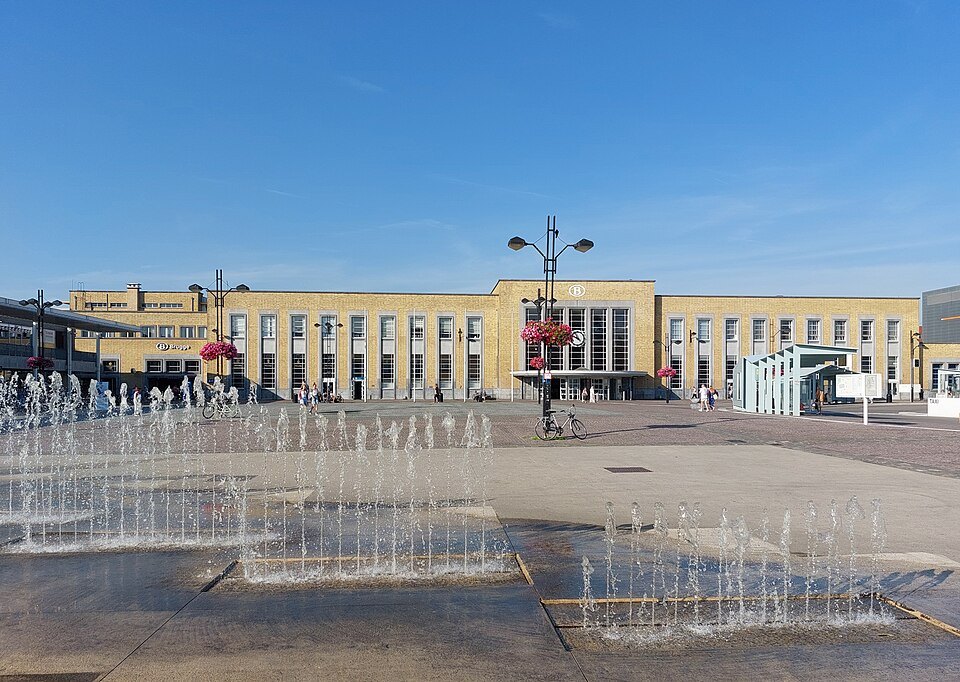
Bruges is a railway city for visitors. The main station, called simply Brugge, lies just outside the southern edge of the ring of canals, and it is within walking distance of the historic center. Visit Bruges points out that Brugge is the station to use, not Brugge-Sint-Pieters, a small suburban stop.
Trains run frequently from the other Belgian cities. From Brussels-South, where the international high-speed trains arrive, there are trains every hour to Bruges, and the trip takes about an hour. Ghent is about half an hour away, Ostend on the coast about a quarter of an hour, and Antwerp, Hasselt and Leuven all have direct services; the busiest routes have several trains an hour.
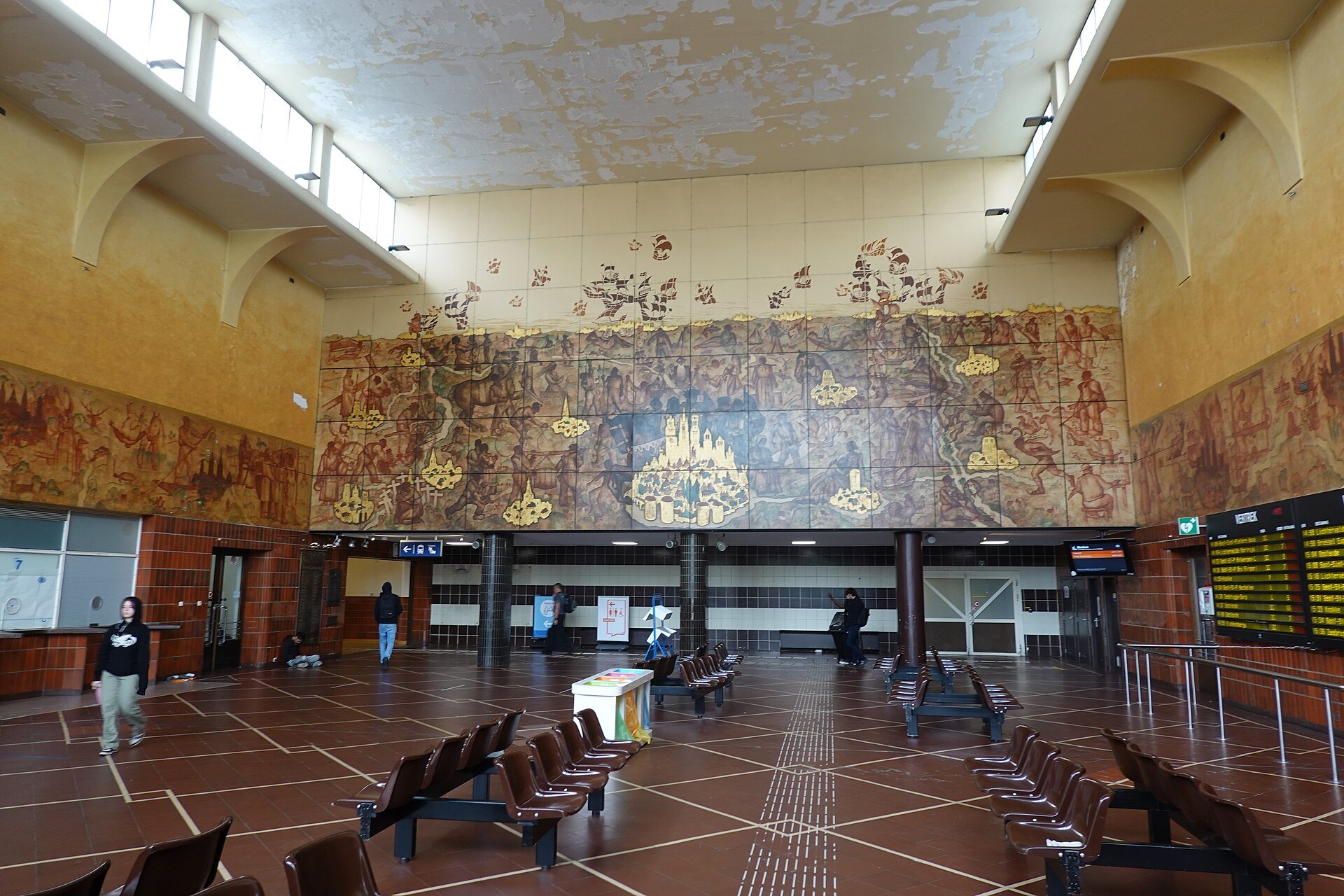
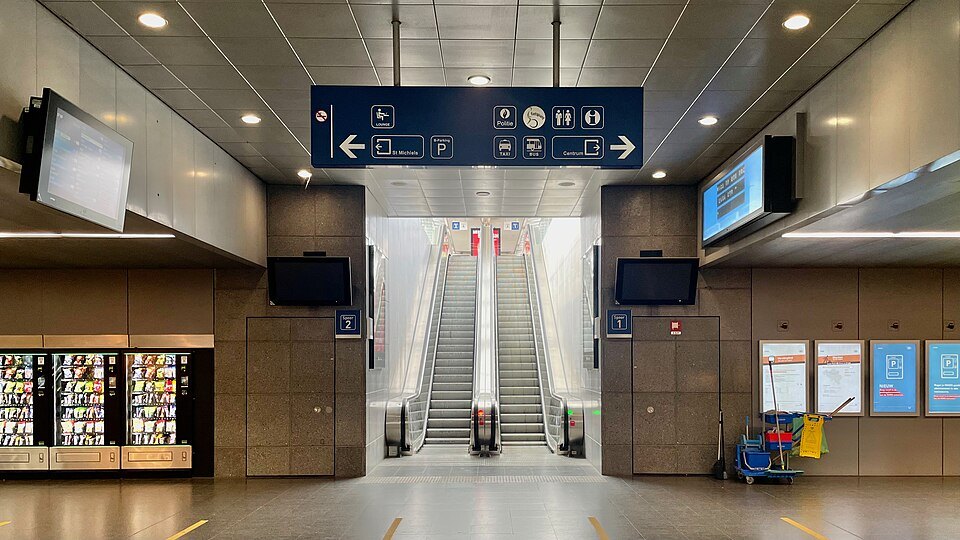
The station building you arrive at dates from 1938, the successor to the city's first station of 1838, and it was modernized between 2004 and 2009. Its concourse and platforms are large and easy to navigate, with escalators and lifts, and a big underground bicycle and car park beneath the square outside.
Some links on this page are affiliate links. If you book through one we may earn a commission, at no extra cost to you. It does not affect what is recommended here, and no sight page on this site carries one.
A pre-booked transfer from the airport, somewhere to leave bags between check-out and a train, and mobile data from arrival.
From London, Paris and beyond
High-speed trains from Paris, Lille, London, Amsterdam and Cologne all arrive at Brussels-South, and from there it is a simple change to a train heading for the coast via Bruges. From London, the rail specialist Seat61 describes a journey of around three and a half hours in total, taking Eurostar to Brussels and changing to an intercity train.
When you change at Brussels-South, look for trains towards Ostend, Knokke or Blankenberge; many of them stop at Bruges. Buy your onward ticket before boarding if you do not already have one: the national railway operator sells tickets online and in its app.
Arriving by plane
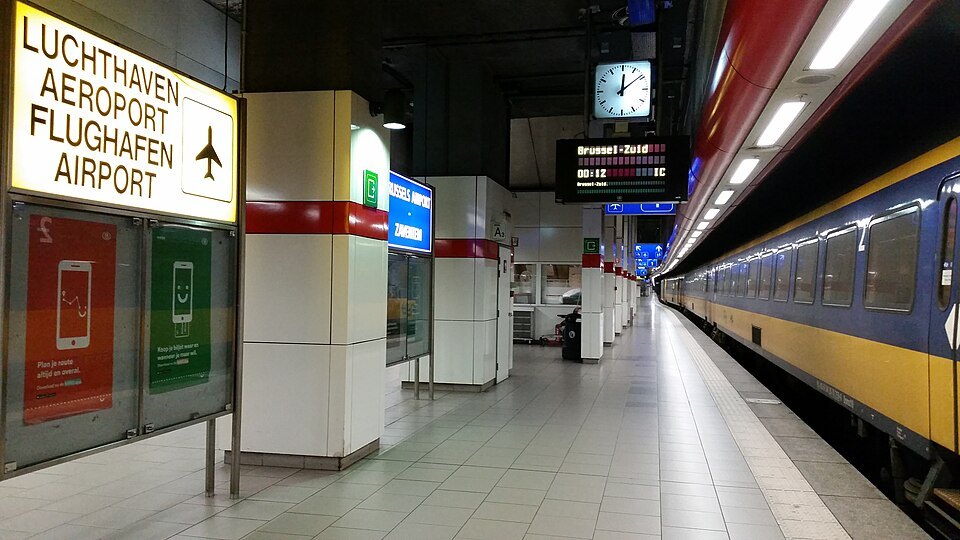
Most visitors who fly land at Brussels Airport. The airport has its own railway station directly below the arrival and departure halls, and Visit Bruges notes a direct hourly train to Bruges every day. Seat61 puts the whole journey at about an hour and a half, sometimes with a change in central Brussels.
Brussels South Charleroi Airport, used by budget airlines, is further away. A shuttle coach service, Flibco, runs to Bruges station with a timetable matched to the flights. Ostend-Bruges Airport is closest but has few flights; from there a bus runs to Ostend station in about a quarter of an hour, and trains from Ostend reach Bruges in about the same time again.
Taxis run from all three airports on flat-rate fares, but the distances are long. For most visitors the train is quicker to organize and far cheaper.
Arriving by coach
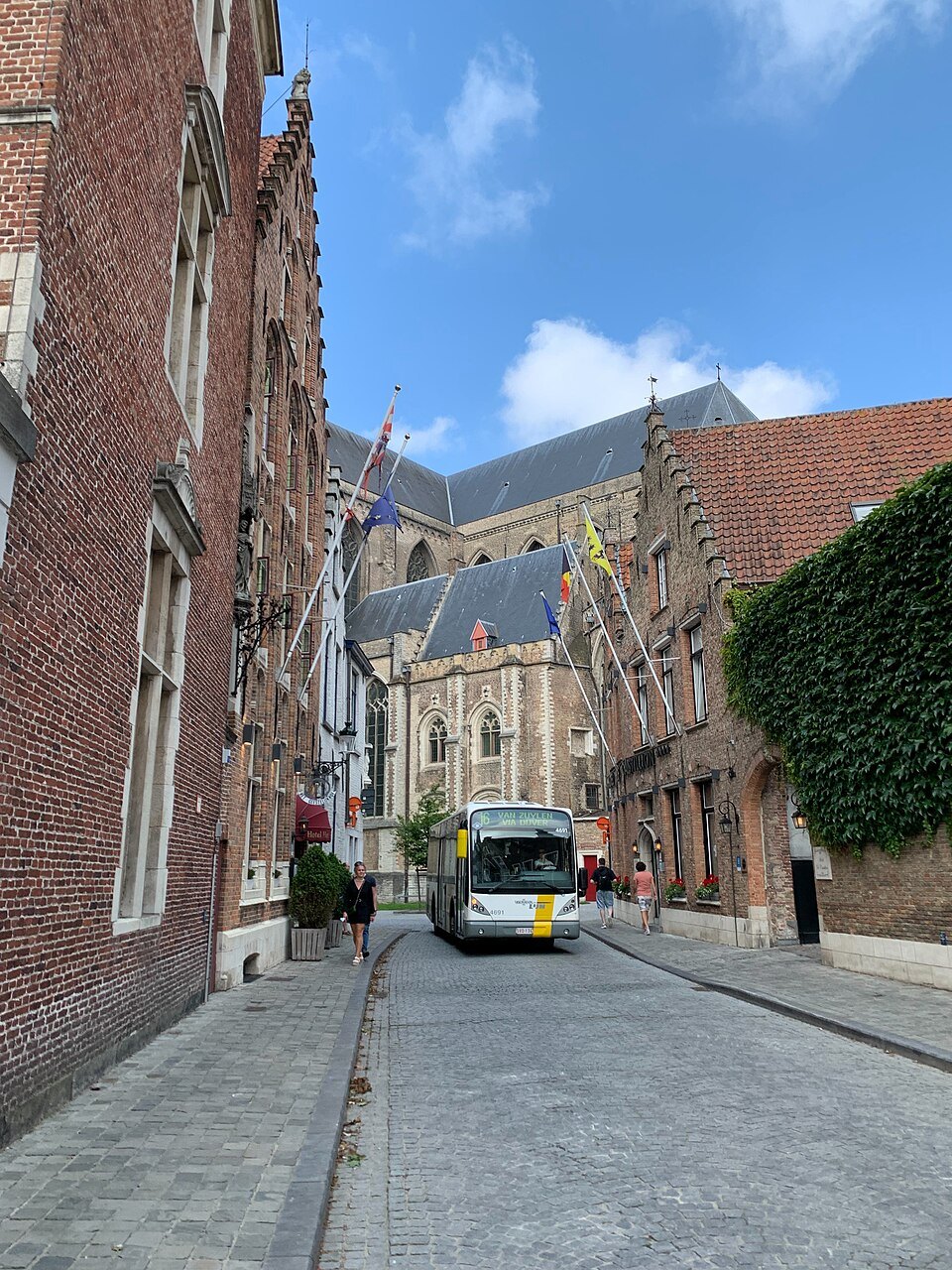
International coach operators, including FlixBus, BlaBlaCar Bus and Flibco, stop at the back of Brugge station, at the roundabout on Spoorwegstraat, rather than on the square in front. Allow a few extra minutes to walk round to the front of the station if you want a bus into town.
Tour coaches carrying groups are not allowed into the old town. They park at the coach park on the Kanaaleiland, along the Bargeweg, and drop passengers at the Bargeplein, about twenty minutes' walk from the Markt.
Arriving by car
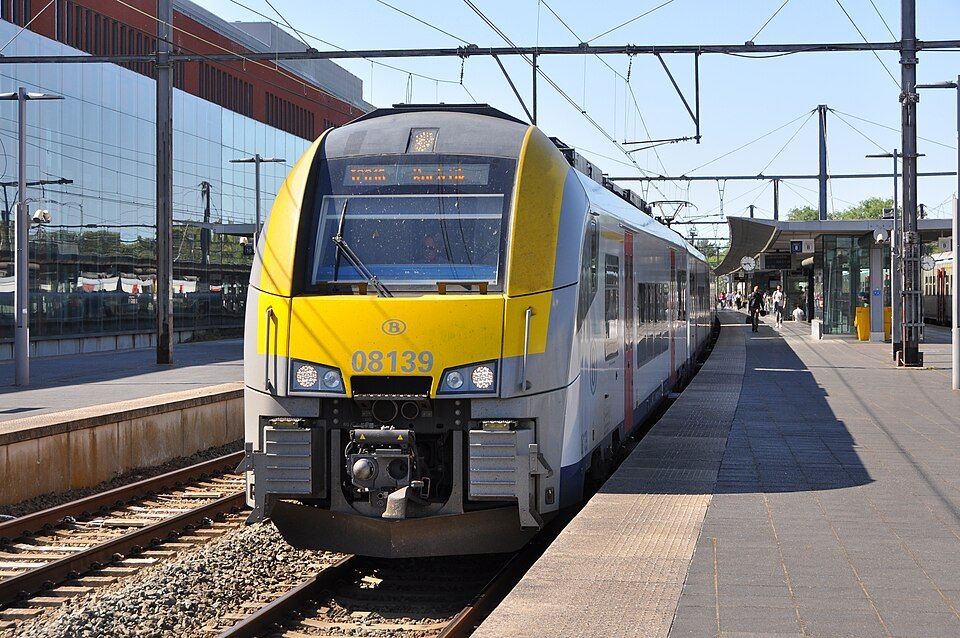
Bruges is easy to reach by motorway: from the E40 take exit 8, Brugge, onto the N31; from the south, the E403 brings traffic from Kortrijk and Roeselare. Unlike Antwerp, Brussels and Ghent, Bruges does not have a low emission zone.
But the city is clear that motor traffic is not recommended in the historic center. The whole old town is a bicycle zone where cars may not drive faster than thirty kilometers an hour or overtake cyclists, streets are narrow and often one-way, and parking in the lanes is scarce. The best plan is to leave the car on arrival and not use it again until you leave.
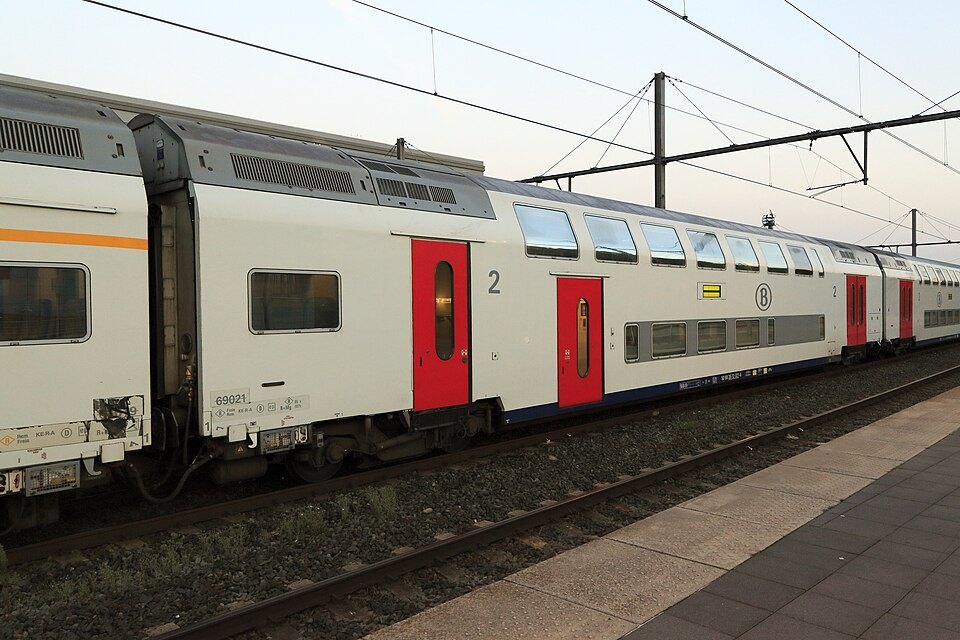
Two large underground car parks sit at the edge of the center. Centrum-'t Zand is about ten minutes' walk from the Markt. Centrum-Station, beside the station, is about twenty minutes' walk, and on the day you arrive your parking ticket includes the bus into the center and back for the driver and up to three passengers. There are also free peripheral car parks and park-and-ride sites on the outskirts, connected to the center by bus.
Choosing a way in
For most visitors the choice is simple. If you are already in Belgium, or arriving on a high-speed train or a flight into Brussels, the train is the fastest and least stressful way to Bruges, and it drops you at the edge of the old town. Coaches are useful from further afield and from Charleroi airport, and they arrive at the same station.
A car makes sense mainly if Bruges is one stop on a longer road trip, or if you plan day trips into the countryside that trains do not reach. In that case, choose accommodation with parking or use one of the car parks at the edge of the center, and treat the car as something to leave behind while you are in town.
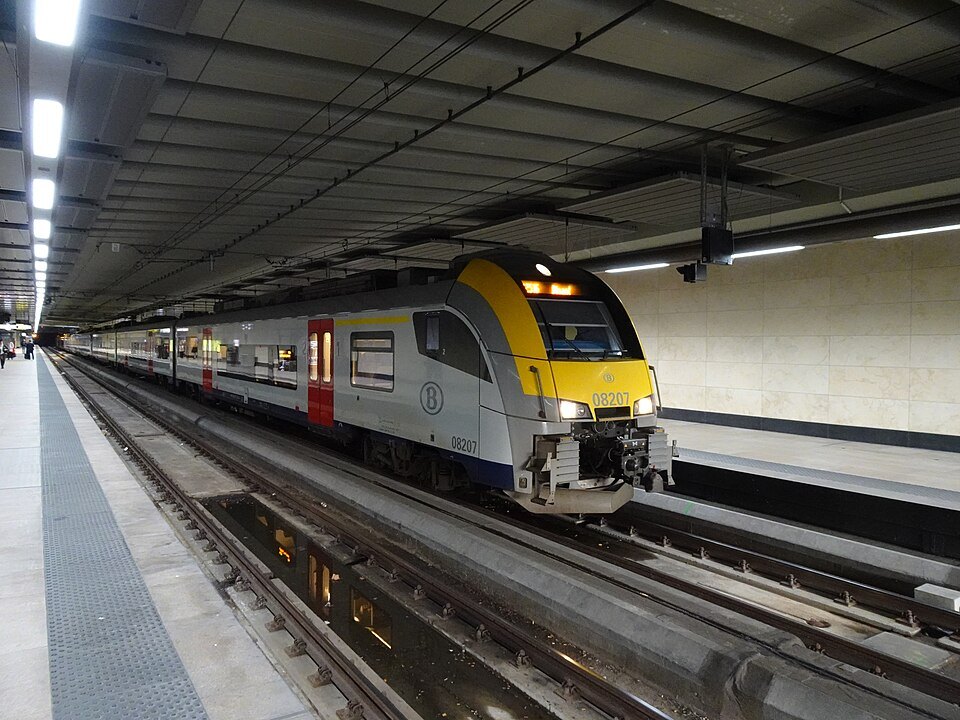
Whatever you choose, plan for the last stretch on foot. The old town is small, but its cobbles and narrow pavements are hard work with a heavy suitcase, and a short bus ride from the station can save the first hour of your visit.
Once you are here
From the front of Brugge station, De Lijn buses run to the center every few minutes, and lines 1 and 2 both connect the station with the Markt. The walk takes about twenty minutes and is pleasant, especially if you go through the Minnewater park and the Beguinage. Taxis wait outside the station too.
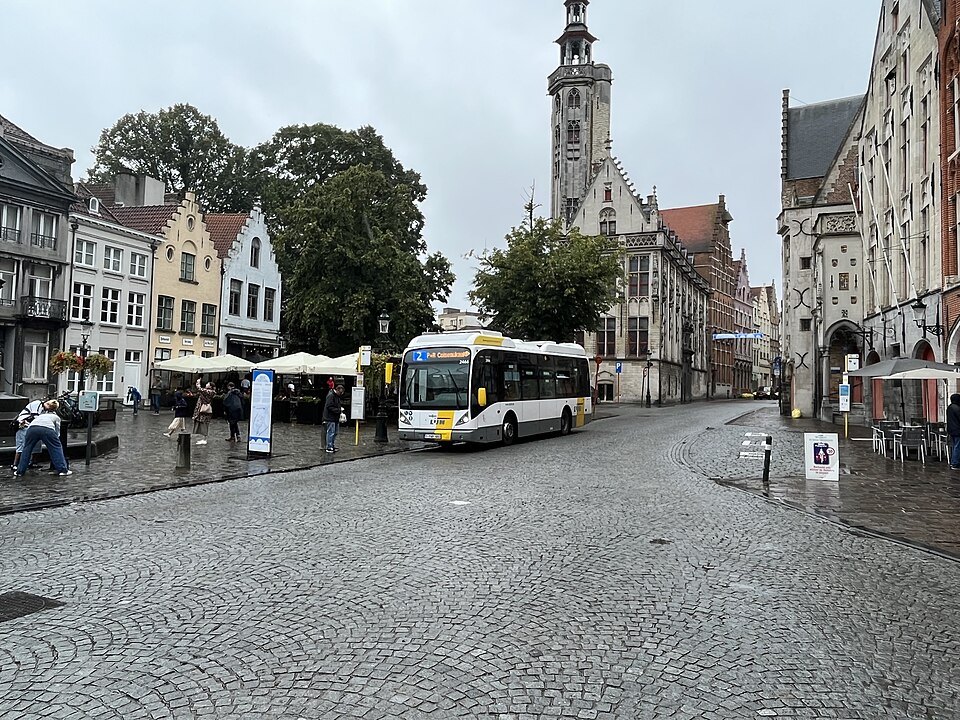
Inside the ring you will not need transport at all: the old town is small, and walking is the way to see it. The getting around page covers buses, bikes and taxis once you have arrived, and where to stay helps you choose a base within easy reach of the station.