Home · When to Come
Bruges is worth visiting in every season, but it is a different city in each: daffodils and the Holy Blood procession in spring, crowds and festivals in summer, misty canals in autumn and lights on the Markt in winter.
- JJanuaryShort grey days and quiet streets; the Christmas market's final days, then the calmest weeks of the year.
- FFebruaryStill cold and damp; the Bruges Beer Festival fills the Belfry halls early in the month.
- MMarchDays lengthen and the canal boats begin their full daily season.
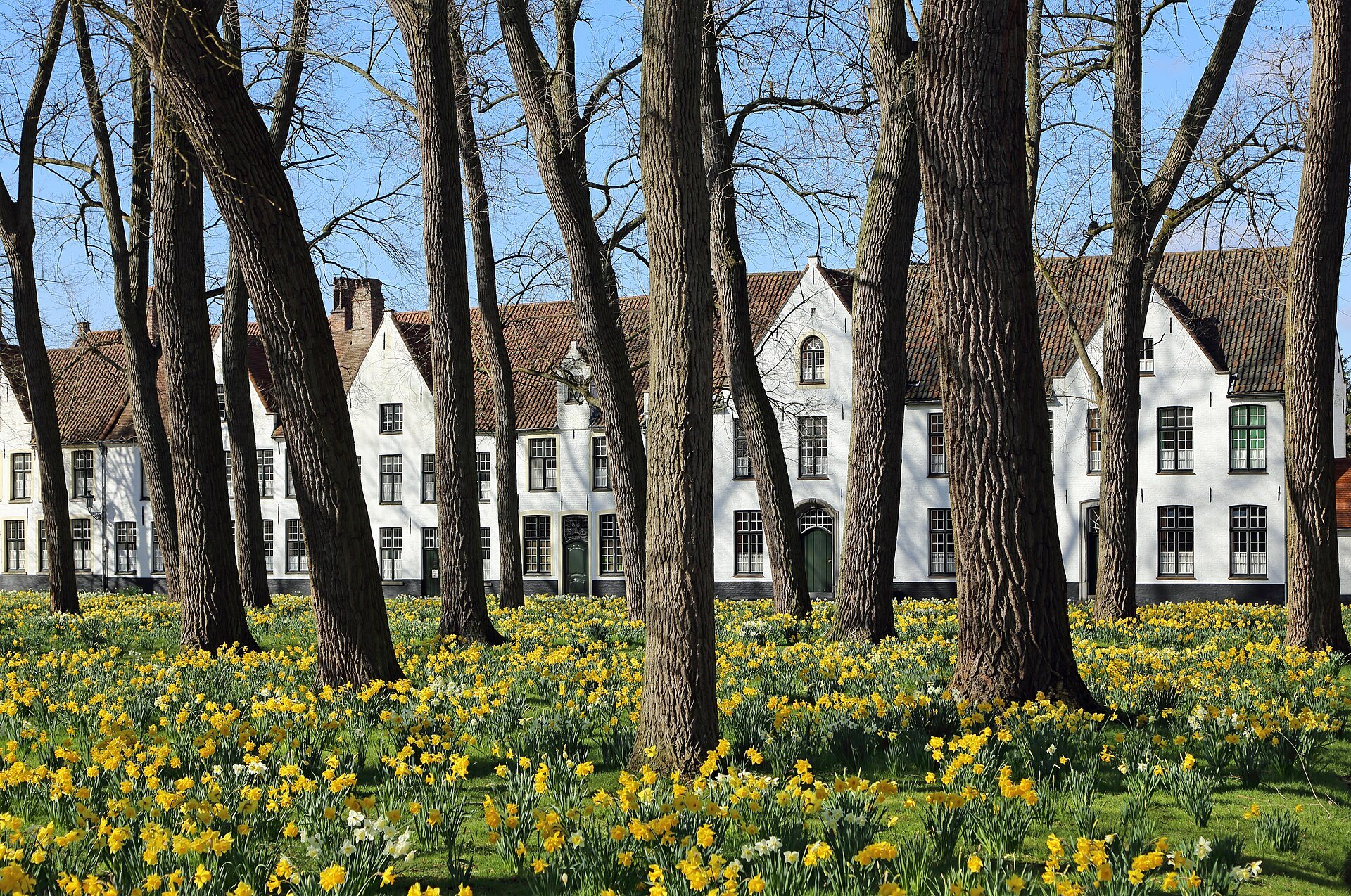
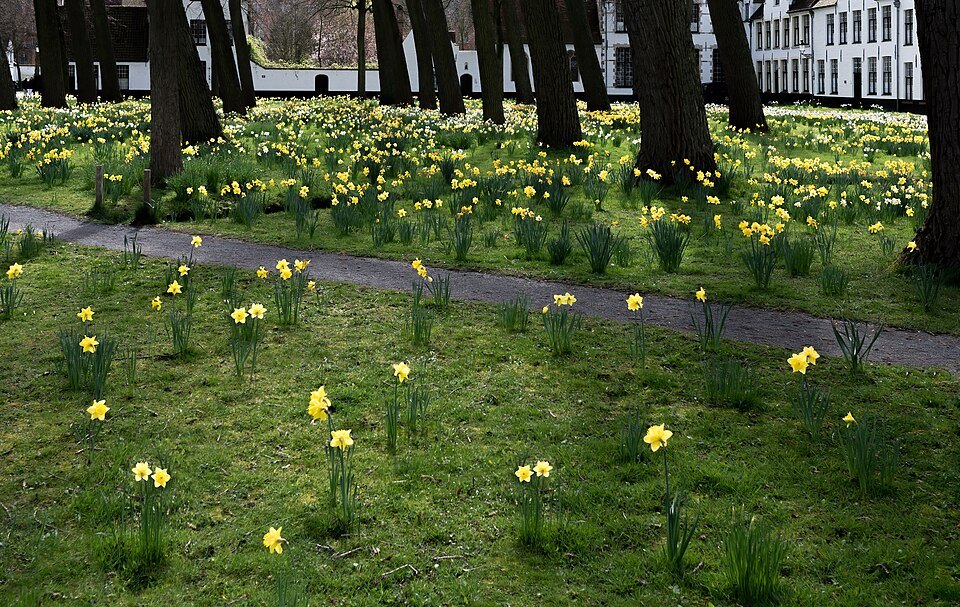
- AAprilDaffodils carpet the lawn of the Beguinage in early spring; the city grows busier.
- MMayMild and green; in some years Ascension Day, and the Holy Blood procession, falls this month.
- JJuneLong light evenings; the procession falls in June when Ascension Day is late, and the season is in full swing.
- JJulyWarmest weeks and biggest crowds; the Cactusfestival in the Minnewater park and free Moods! concerts on the Burg.
- AAugustSummer crowds continue; Moods! on the Burg and the Zandfeesten flea market on 't Zand.
- SSeptemberSummer crowds thin, the light softens, and walks on the ramparts are at their best.
- OOctoberAutumn color along the canals and ramparts; the last month of the boats' guaranteed daily service.
- NNovemberMisty, damp and quiet, until the Christmas market opens on the Markt late in the month.
- DDecemberThe Christmas market and winter lights on the Markt and Simon Stevinplein; busy at weekends.
Vermilion: the months in which Ascension Day, and so the Holy Blood procession, usually falls.
Every season has its Bruges
There is no bad time to see Bruges, but there are very different ones. The city that fills with visitors on a sunny July afternoon, when the Markt is packed and the boat stages have lines, is not the same city you find on a misty November morning, when the canals are silent and the Belfry fades into the fog.
What matters most is what you want from the visit. For flowers and long days, come in spring; for festivals and life on the terraces, summer; for atmosphere and fewer people, autumn; for lights and a Christmas market, the weeks around the turn of the year.
The weather
West Flanders has a maritime temperate climate. Summers are comfortably warm, with occasional hot spells, and winters are cool, with the odd sharp cold snap. The warmest months are July and August, and January is usually the coldest.
Rain falls in every season rather than in one wet period, and a typical month has a good number of days with some rain, so an umbrella or a waterproof jacket belongs in your bag whatever the date. Snow is uncommon and rarely lasts. Summer brings long, bright days, while in the depth of winter the daylight is short and often gray.
The city is built for walking, and most sights are outdoors, so the weather affects a visit more than in many cities. Good shoes matter in every season, because wet cobbles are slippery.
Spring
From March the city wakes up. Days lengthen, the canal boats run every day, and the trees along the canals come into leaf. In early spring the lawn of the Beguinage is covered with daffodils, the most photographed seasonal sight in Bruges.
The great event of the season is the Procession of the Holy Blood on Ascension Day, which falls in May or early June depending on the year. More than three thousand residents take part, and tens of thousands watch; it is on UNESCO's list of intangible heritage. If your visit coincides with it, plan for crowds in the center, and consider booking a seat; see booking ahead.
Summer
June to August are the warmest and busiest months. The terraces on the Markt are full, the boats and the Belfry have lines, and day visitors arrive from late morning. Early mornings and evenings are the times to enjoy the canals in peace, and the long light makes evening walks especially rewarding.
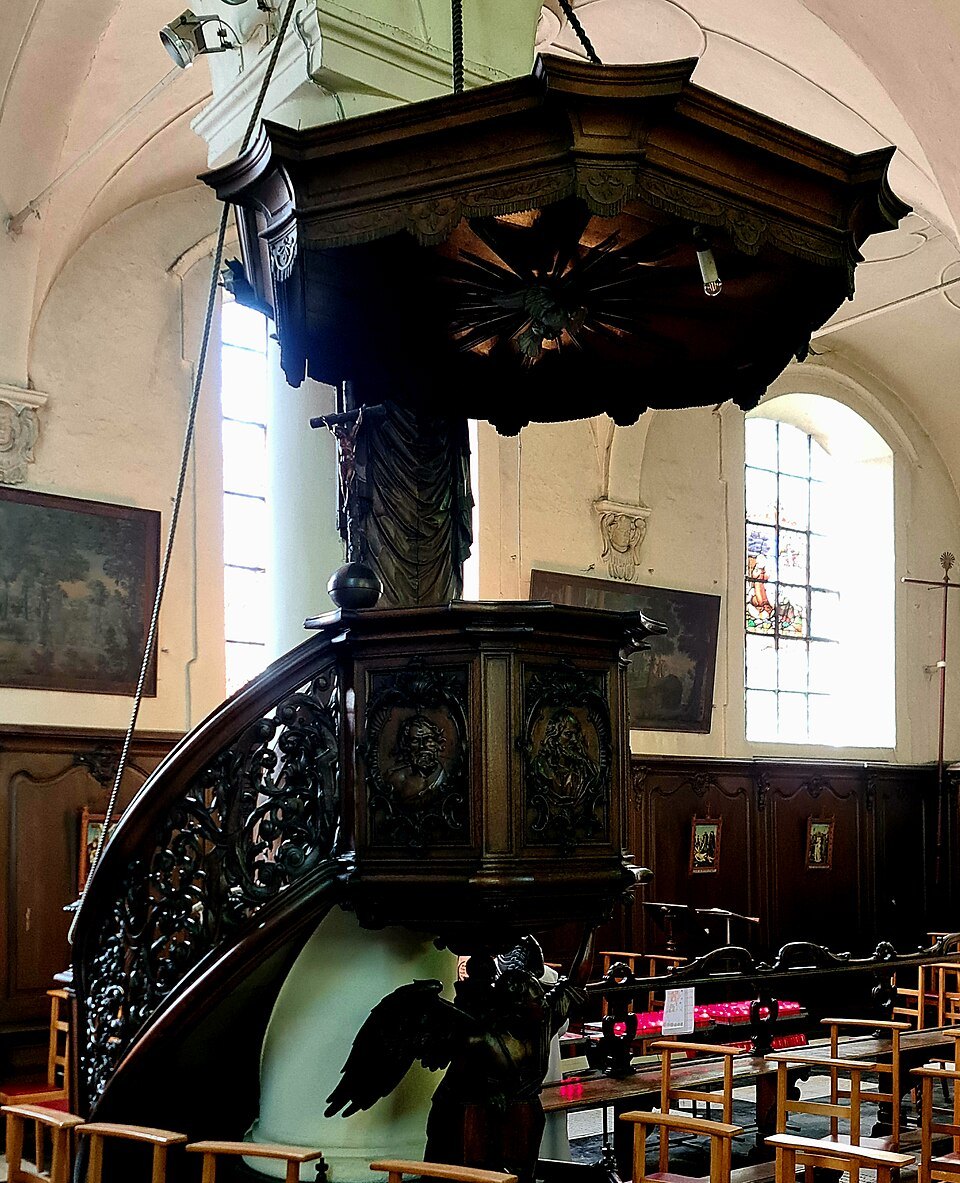
Summer is festival season. The Cactusfestival, a music festival now in its fifth decade, takes place in the Minnewater park in July. Moods!, a series of free concert evenings, is held on the Burg in July and August, and the Brugse Zandfeesten, one of the largest antique and flea markets in Flanders, takes over 't Zand on a Sunday in summer. In Triennial years, the next announced for 2027, contemporary art and architecture installations appear across the city.
Autumn
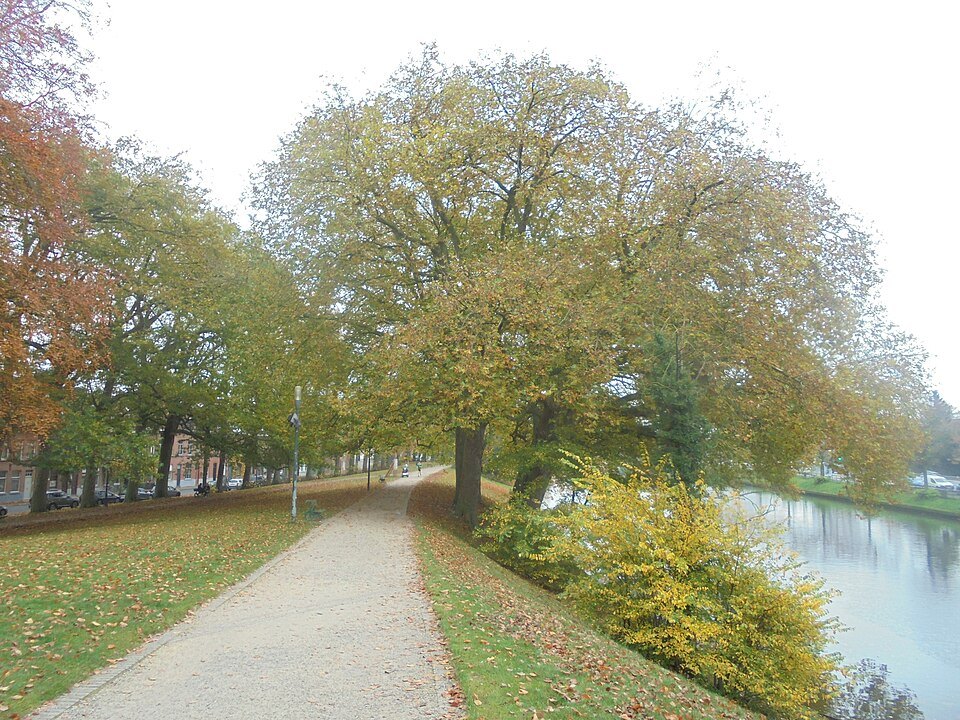
September is often the best month of all: the summer crowds have thinned, the weather is still mild, and the light is softer. October brings autumn color to the trees along the canals and on the ramparts, and the boats still run every day until the end of the month.
By November the city is quiet, damp and often misty, and this is when Bruges looks most like the melancholy, dreaming town of Rodenbach's novel Bruges-la-Morte. It is a wonderful time for museums, and for having the canals almost to yourself.
Winter
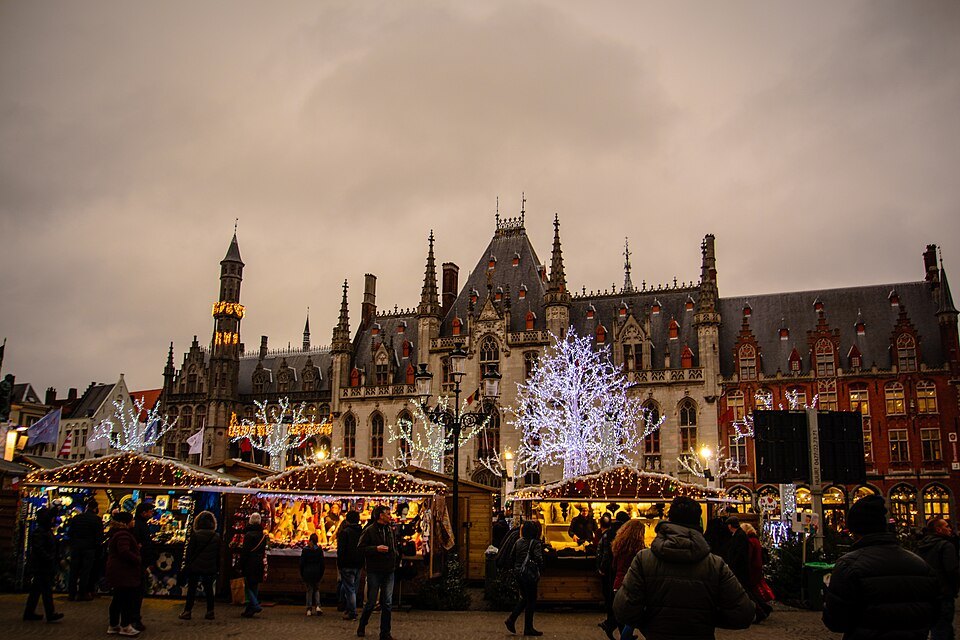
From late November into the first days of January, Bruges holds its Christmas market as part of the Winter Glow season, with stalls and lights on the Markt and a second market on Simon Stevinplein, and a light trail through the center. Weekends are busy, and accommodation fills up.
After the holidays, January and February are the quietest months of the year. Days are short and often gray, and some attractions keep reduced winter schedules, but the city is peaceful and the churches and museums are uncrowded. Early February brings the Bruges Beer Festival to the Belfry halls. From November to February, at least one canal boat stage runs each day.
Weekdays, weekends and time of day
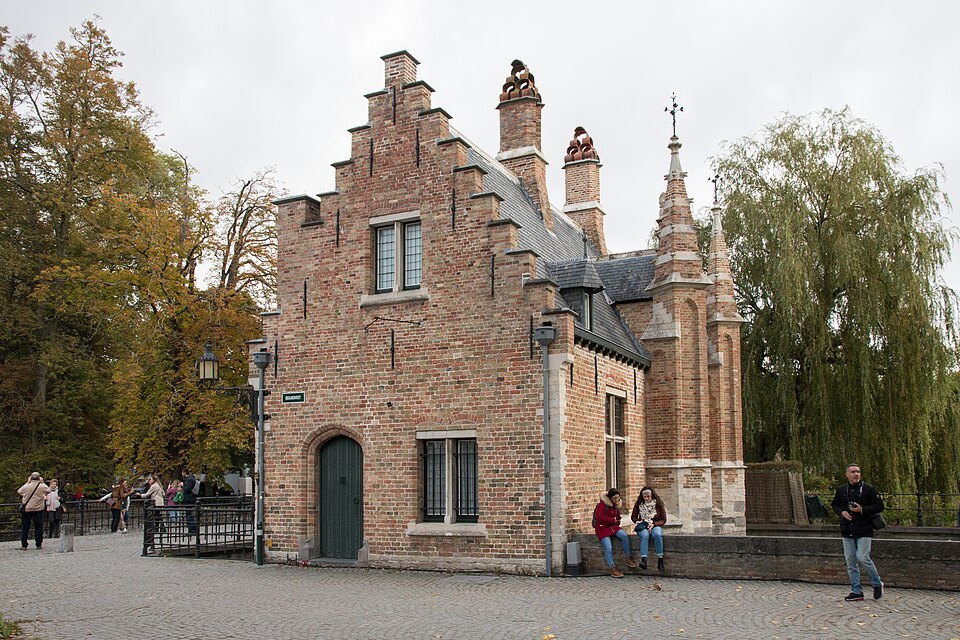
The day of the week matters almost as much as the month. Bruges is close enough to Brussels, Ghent and the coast for day trips, so weekends bring many more visitors than weekdays, in every season. If you can, put your busiest sightseeing, the Belfry, the boats and the Markt, on a weekday.
Time of day matters most of all. Day visitors tend to arrive from late morning and leave in the late afternoon, so the first and last hours of the day are the calm ones even in July. Staying overnight, rather than visiting for the day, is the simplest way to see the city at its quietest.
Photographers should think about light as well as crowds. Summer mornings bring early light on the canals; autumn and winter give low sun and mist, but short days. In any season, the reflections on the canals are at their best when the water is still, which usually means early.
What to pack
Whatever the month, bring shoes with a good grip for wet cobbles and a waterproof layer, because rain can come at any time of year. In summer add sun protection for long days outdoors; in winter, warm layers, a hat and gloves, since the canals and the open squares can feel colder than the temperature suggests.
The canal boats have no roof, and umbrellas are handed out when it rains, so a hooded jacket is more practical on the water than a large umbrella of your own.
Planning around the calendar
Whenever you come, check two things before you fix your dates: whether Ascension Day or the Christmas market falls during your stay, since both bring crowds, and which day of the week the museums close. For how to spend the days themselves, see the itineraries, and for the city's canals in each season, the canals.