Home · The Sights
The eighteen sights of Bruges with a page of their own, grouped by where they stand inside the ring of canals, and how to pace them: which need tickets, which are free, and which to see early.
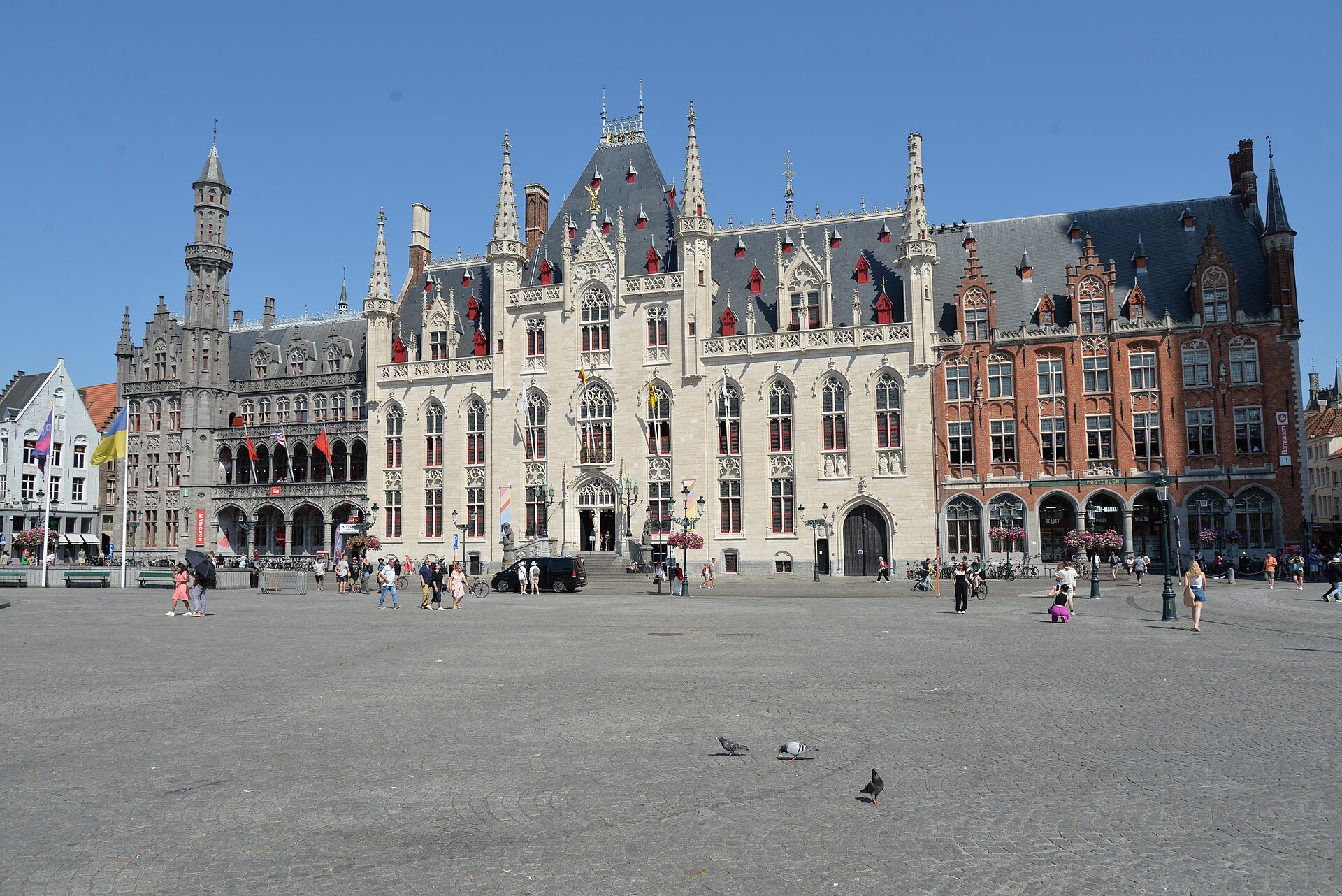
The two squaresThe Markt and the Burg, a minute apart
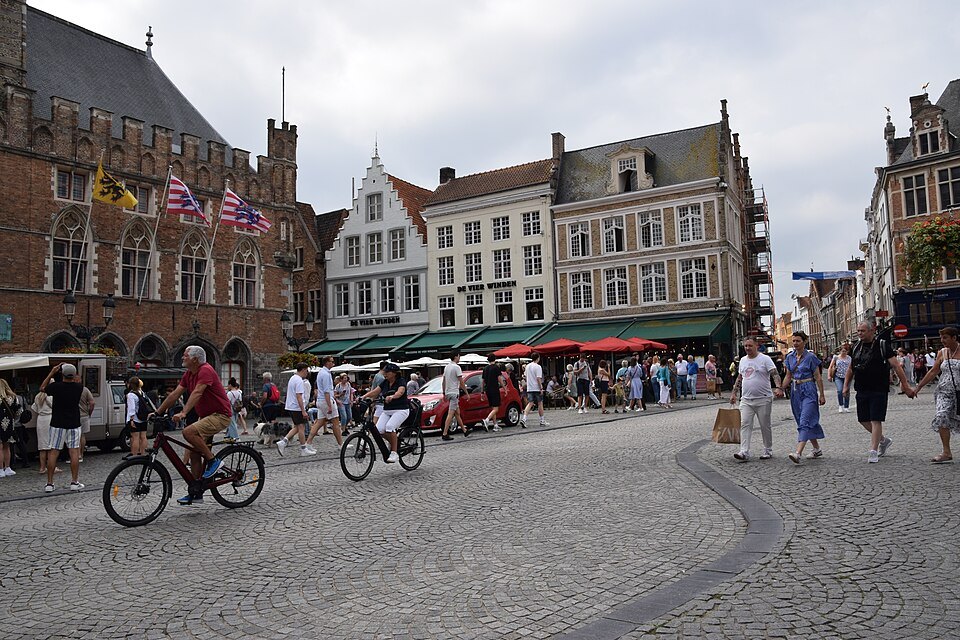
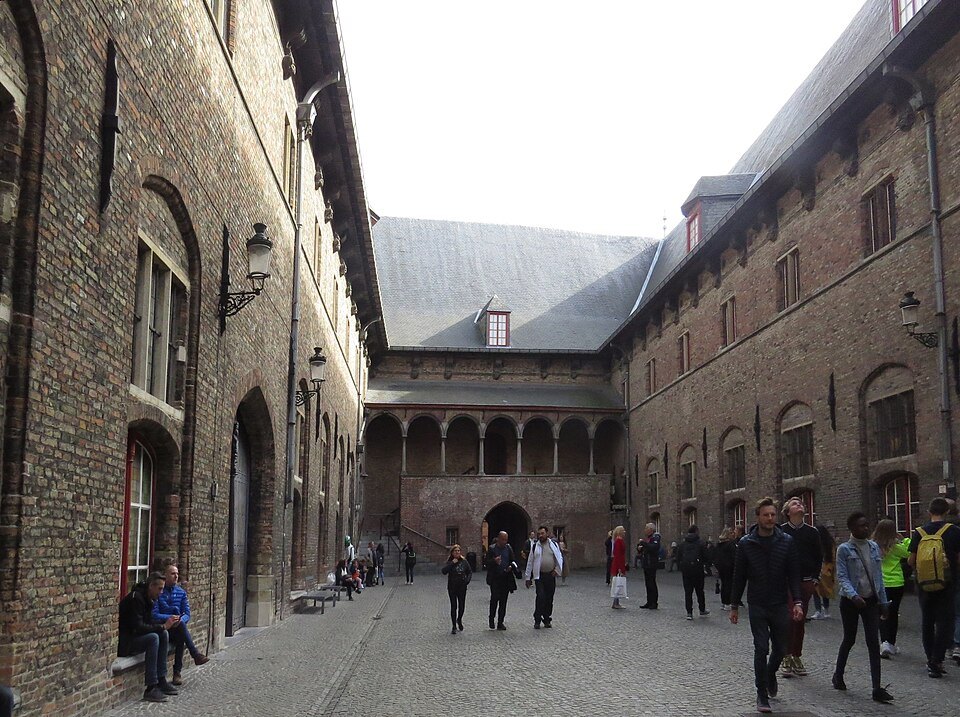
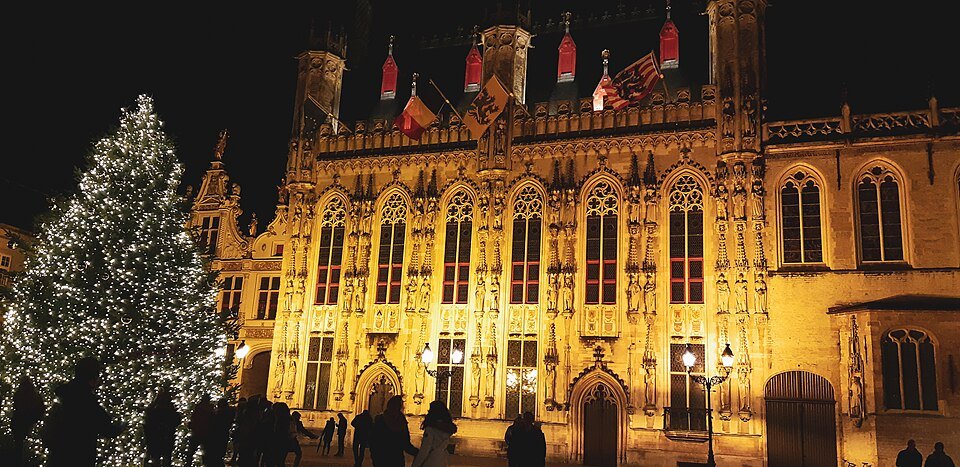
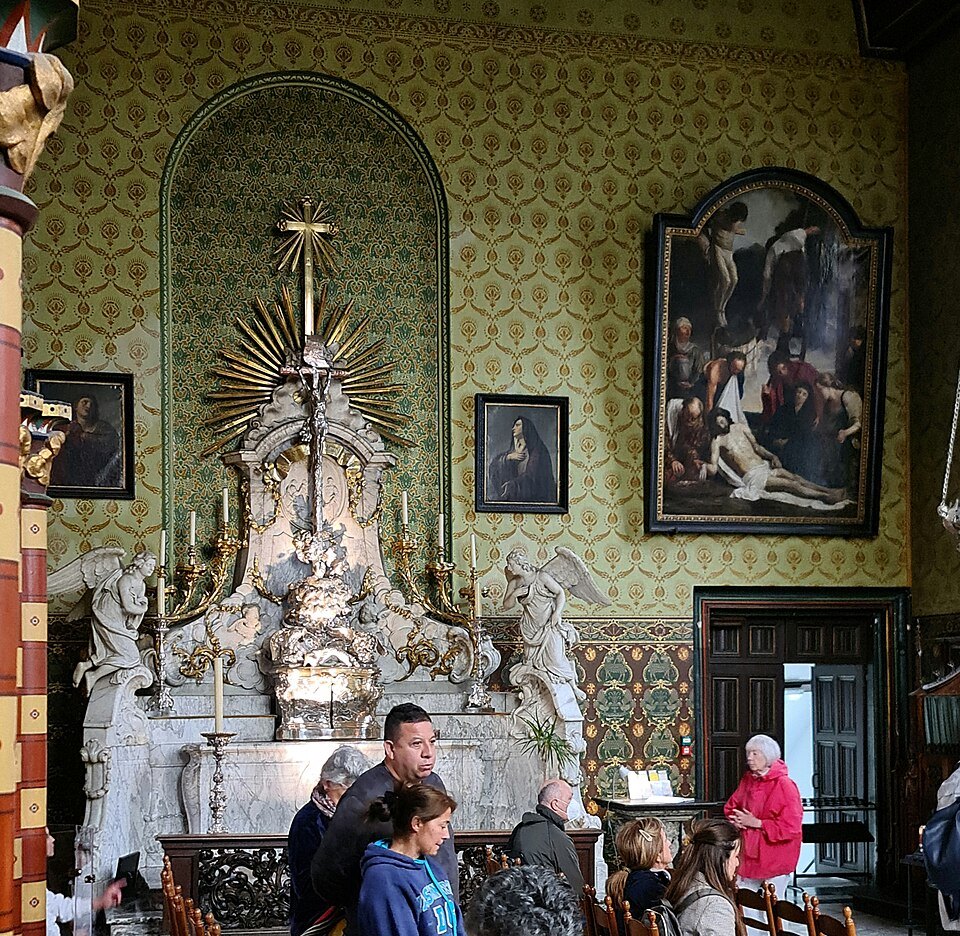
Along the DijverSouth of the squares, museums on the water
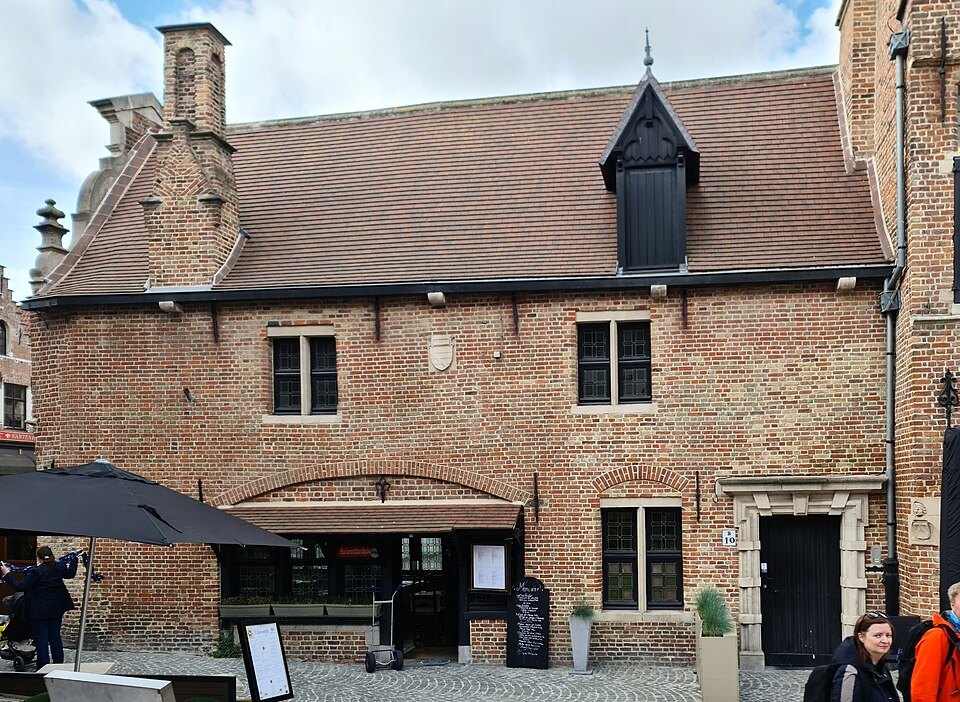
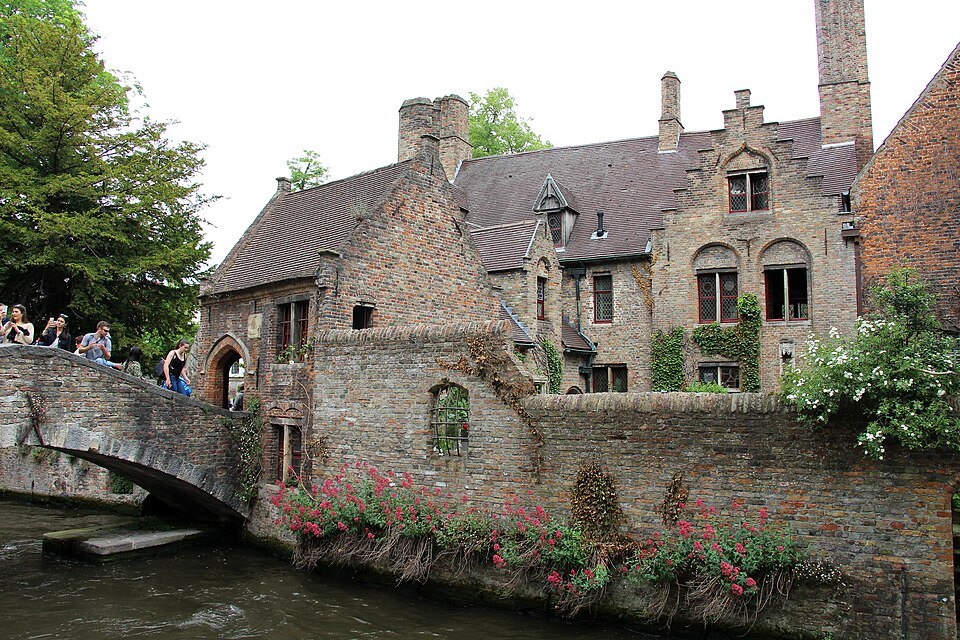
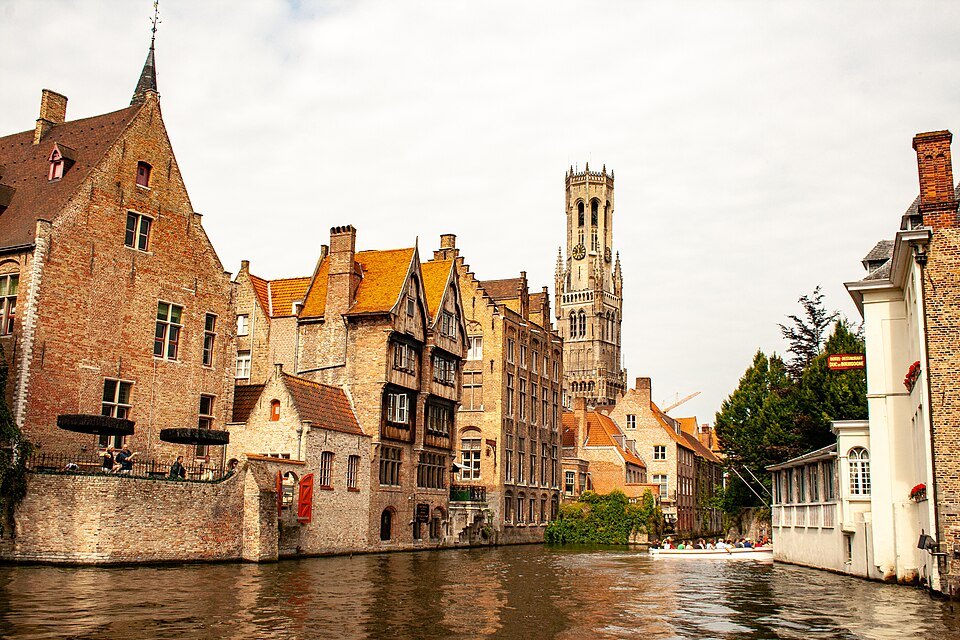
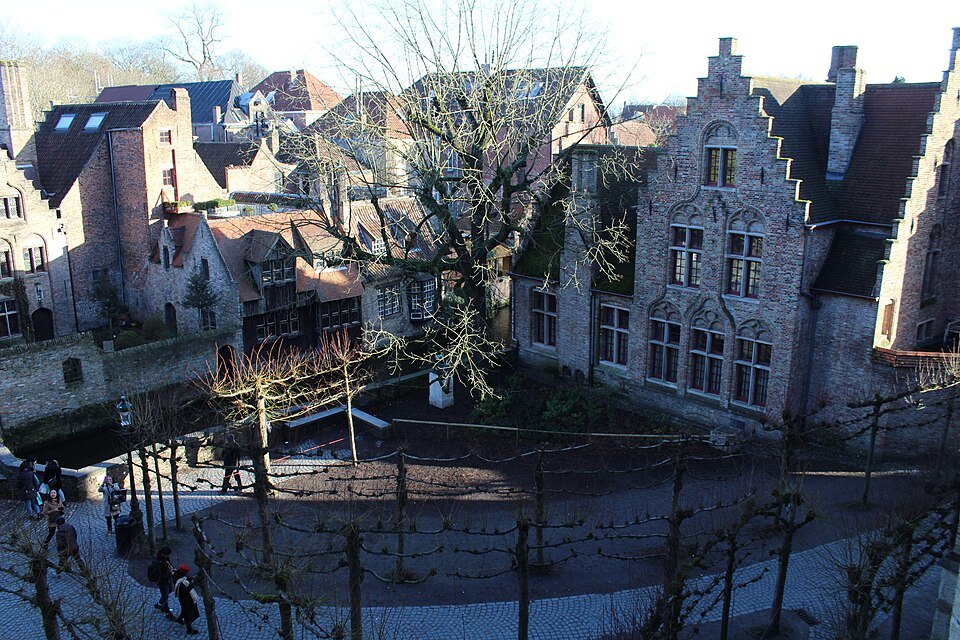
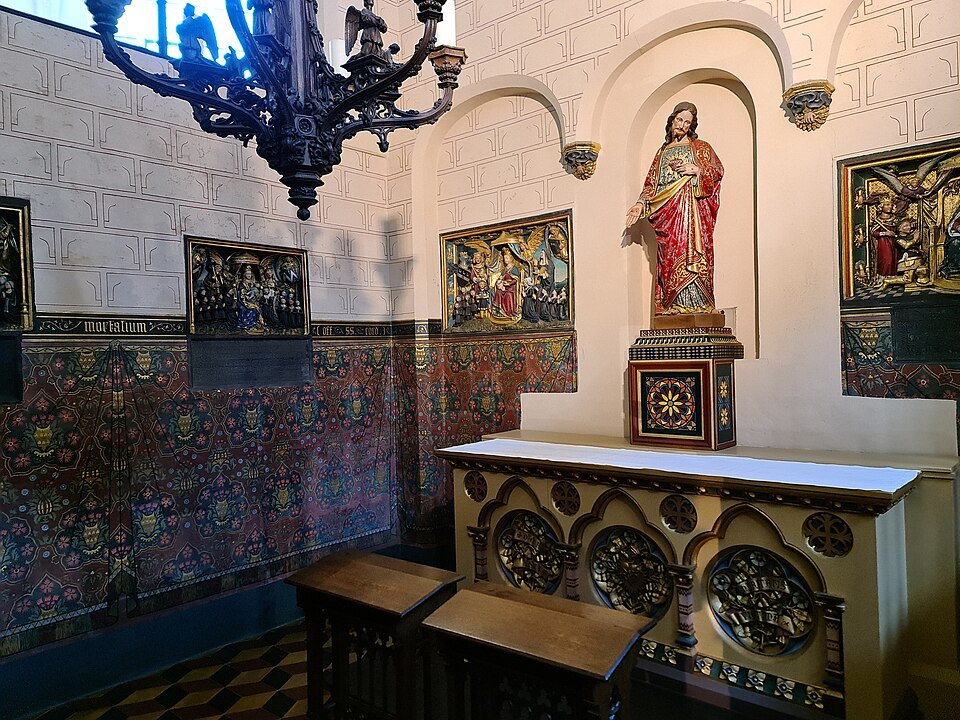
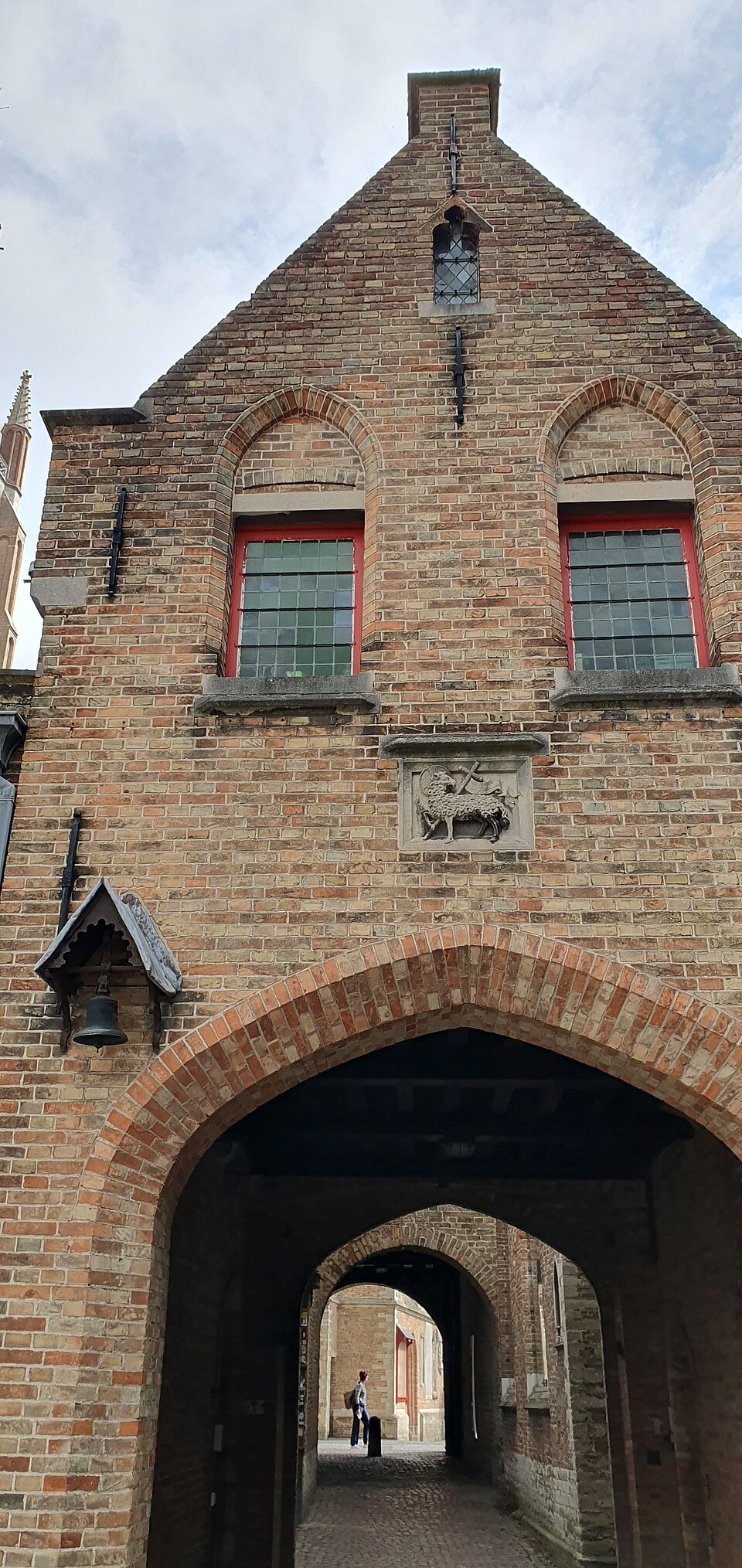
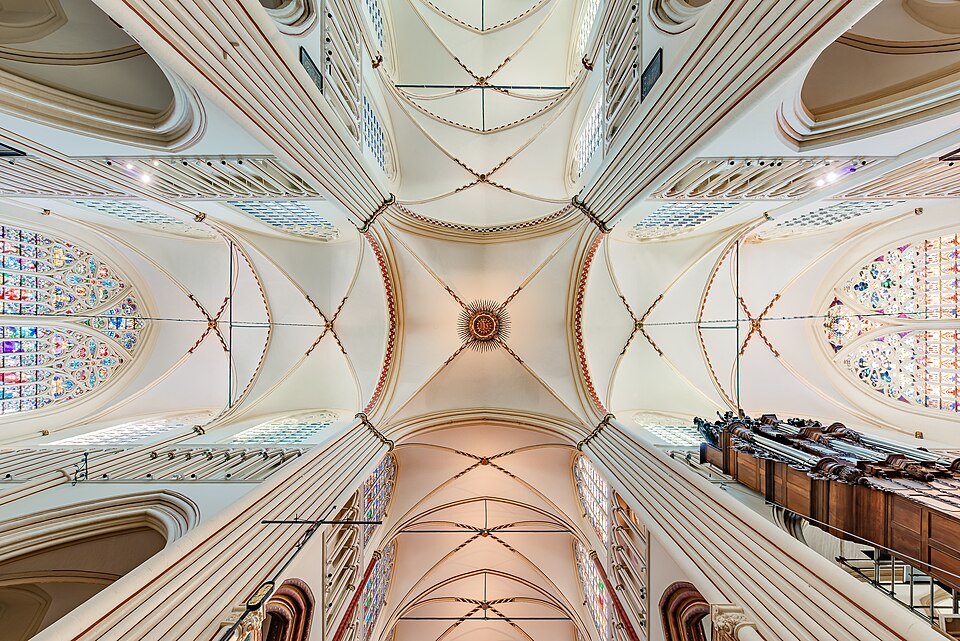
The quiet southWhere the canal widens into a lake
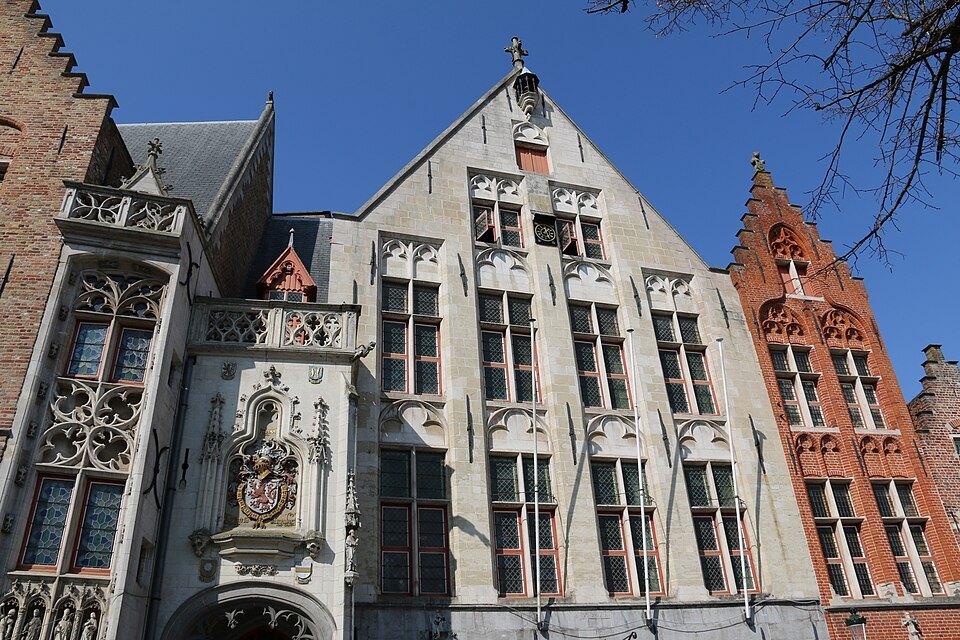
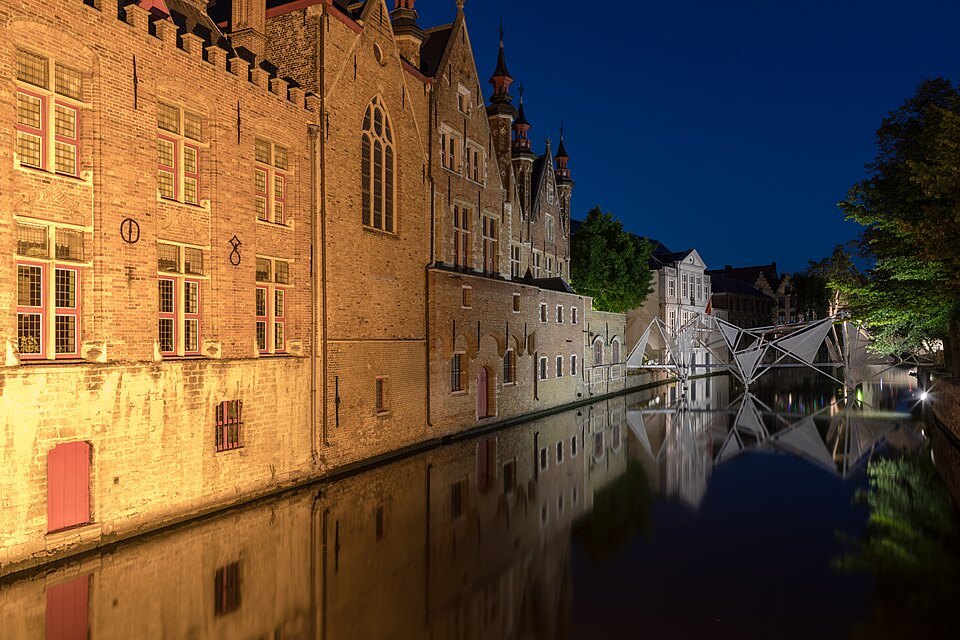
The merchants' northThe old harbor quays
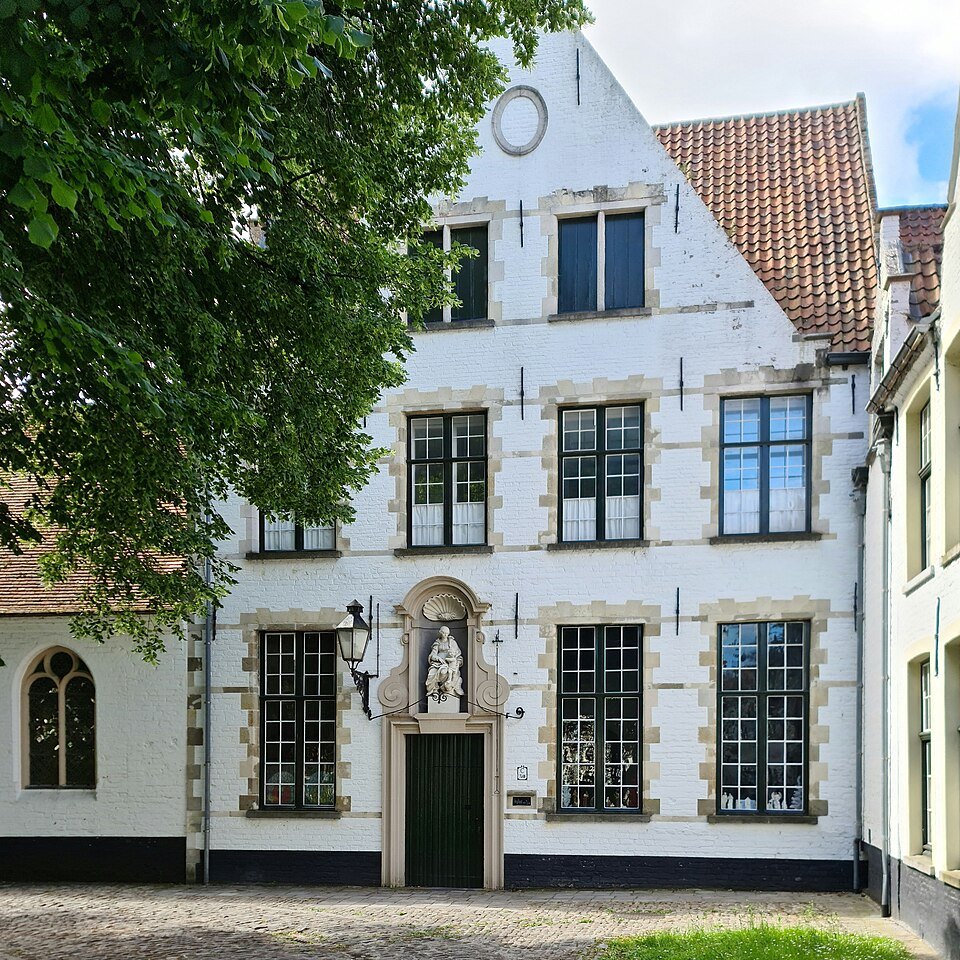
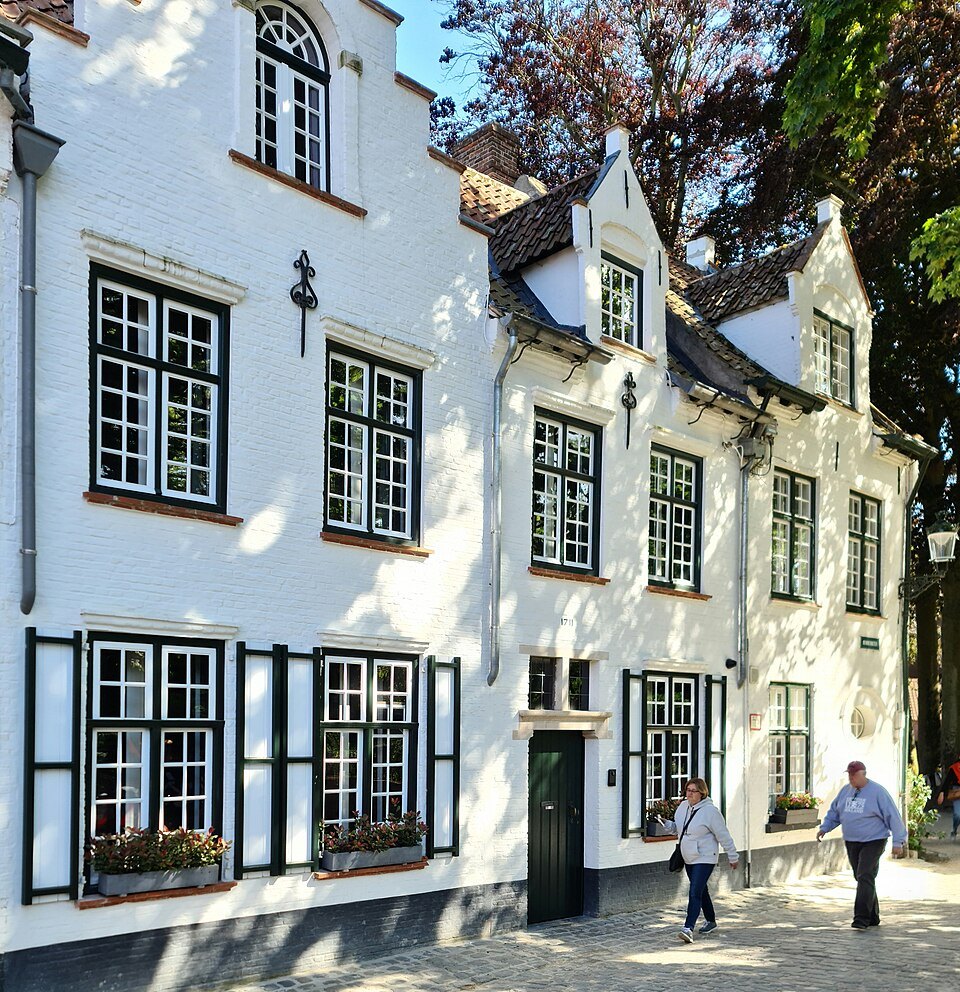
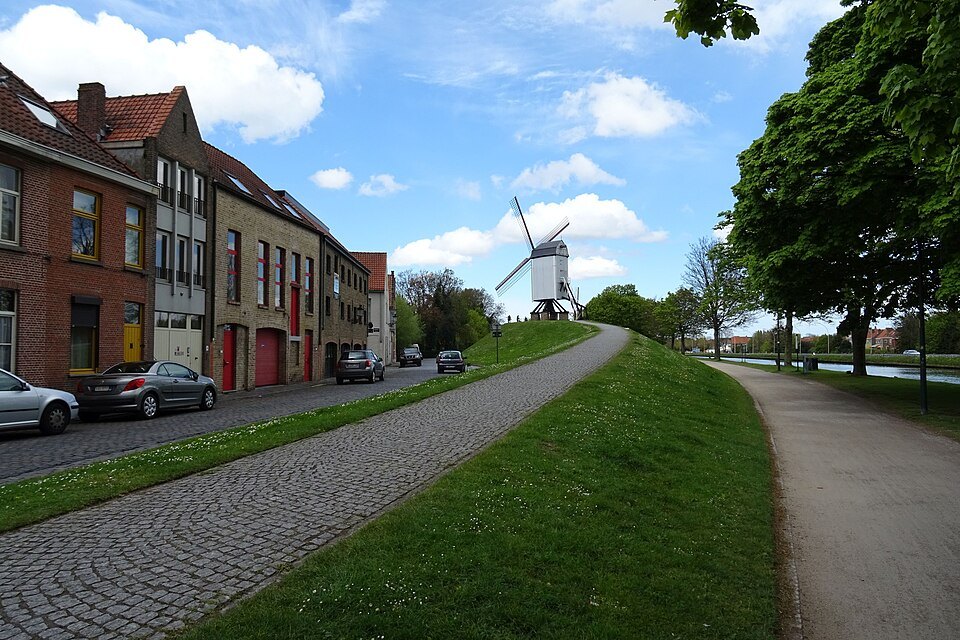
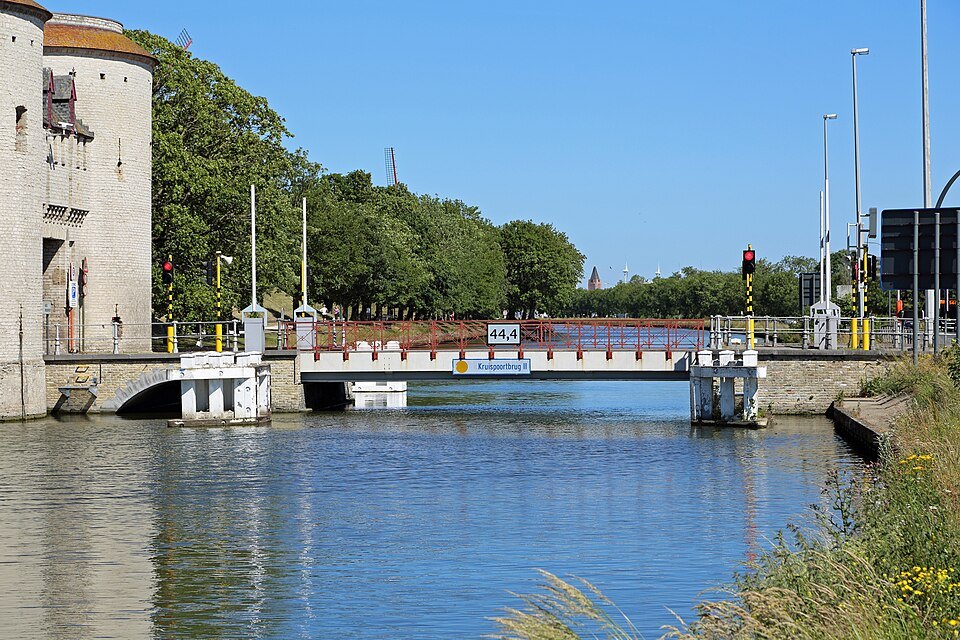
East to the rampartsAlmshouses, mills and gates
How the sights fit together
Bruges is compact, and its sights are close together, which makes it tempting to try to see everything in a day. Resist it. The pleasure of the city lies as much in the walks between the sights, along the canals and through the quiet lanes, as in the sights themselves, and trying to tick off eighteen places in one visit turns Bruges into a queue.
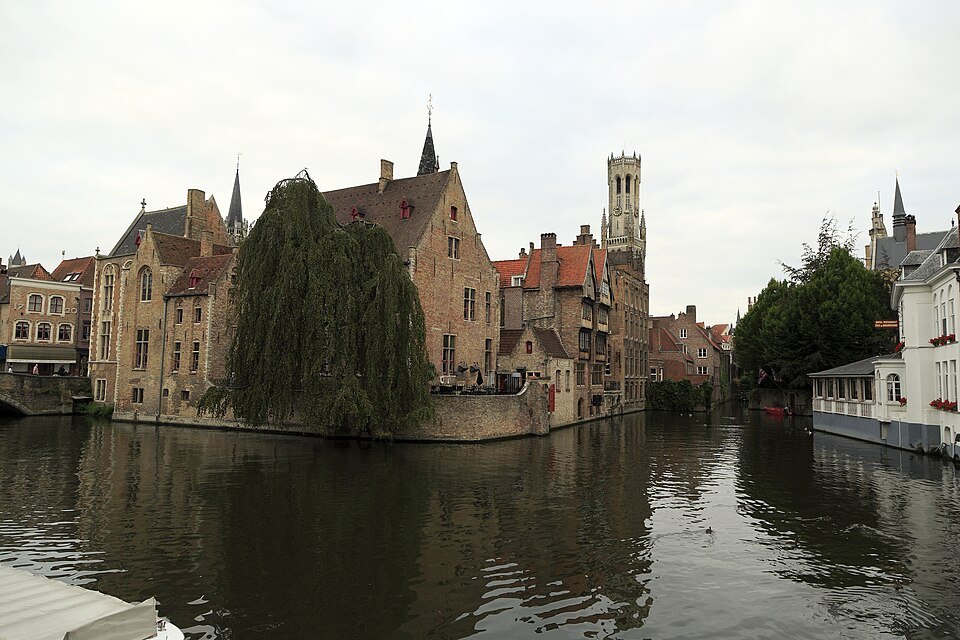
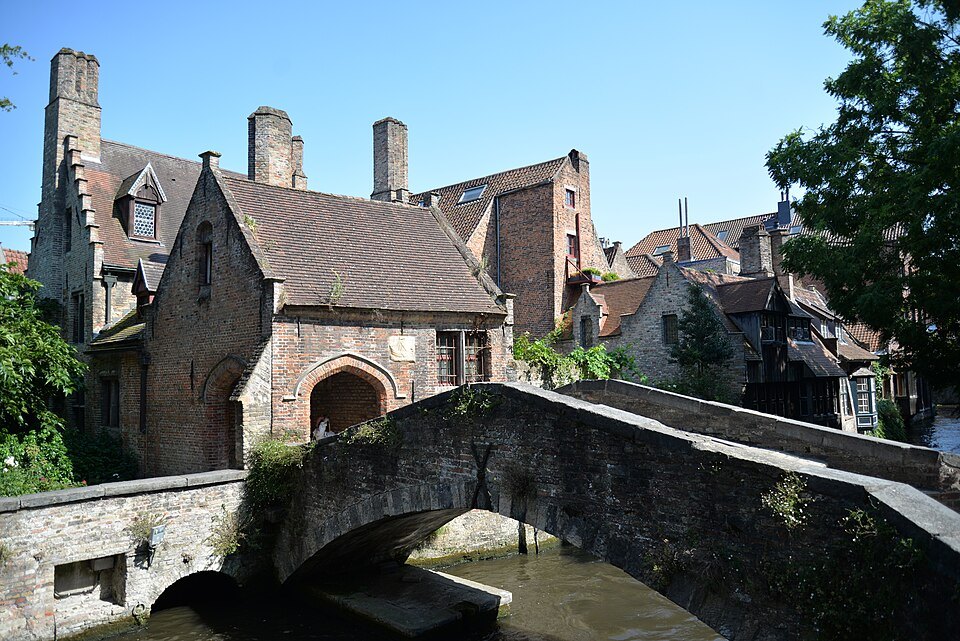
The sights on this site are grouped by where they stand. The two squares, the Markt and the Burg, form the center. South of them the Dijver leads past the museums to the Church of Our Lady. Further south are the Beguinage and the Minnewater; to the north, the old harbor quarter around Jan van Eyckplein; and to the east, towards the ramparts, the Jerusalem Church, the windmills and the city gates. Plan by group and you will walk less and see more.
Free to see, and ticketed
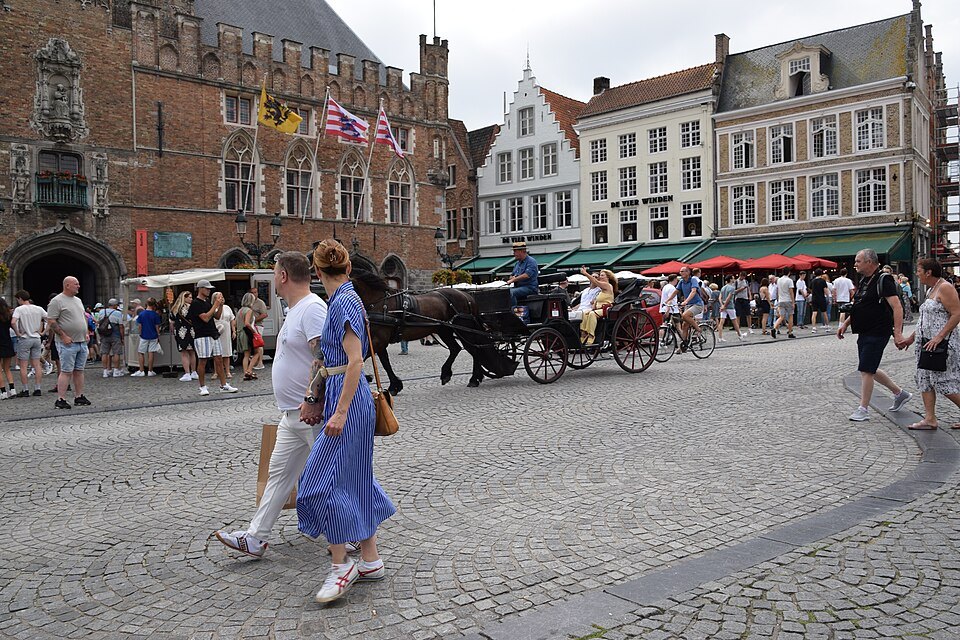
A large part of what you come for costs nothing. The Markt and the Burg, the quays of the Rozenhoedkaai, the Dijver and the Groenerei, the courtyard of the Beguinage, the Minnewater and the ramparts with their gates and windmills are all public space.
The ticketed sights are mostly museums. Musea Brugge, the city's museum organization, runs the Belfry, the Groeningemuseum, the Gruuthuse, St. John's Hospital, the museum part of the Church of Our Lady, the Gothic Hall of the City Hall and the museum windmills. Its Musea Brugge Card gives seventy-two hours of access to all its locations with one ticket, activated at your first visit.
Other sights run their own arrangements: the Basilica of the Holy Blood, the Jerusalem Church and the Adornes estate, St. Salvator's Cathedral and the canal boats. Check each before you go, and see booking ahead for the few that need a reservation.
Whether the card is worth it depends on how many of its museums you plan to see in three days. If the Belfry, the Groeningemuseum and St. John's Hospital are all on your list, it usually makes planning simpler, because one ticket covers them all and you can decide the order as you go.
What to see first
If you have only a short time, start with the center: the Markt and the Belfry, the Burg and the Basilica of the Holy Blood, then the view from the Rozenhoedkaai. Continue along the Dijver to the Church of Our Lady and St. John's Hospital, and end at the Beguinage and the Minnewater. That walk, north to south, takes in the city's essential sights in a relaxed day.
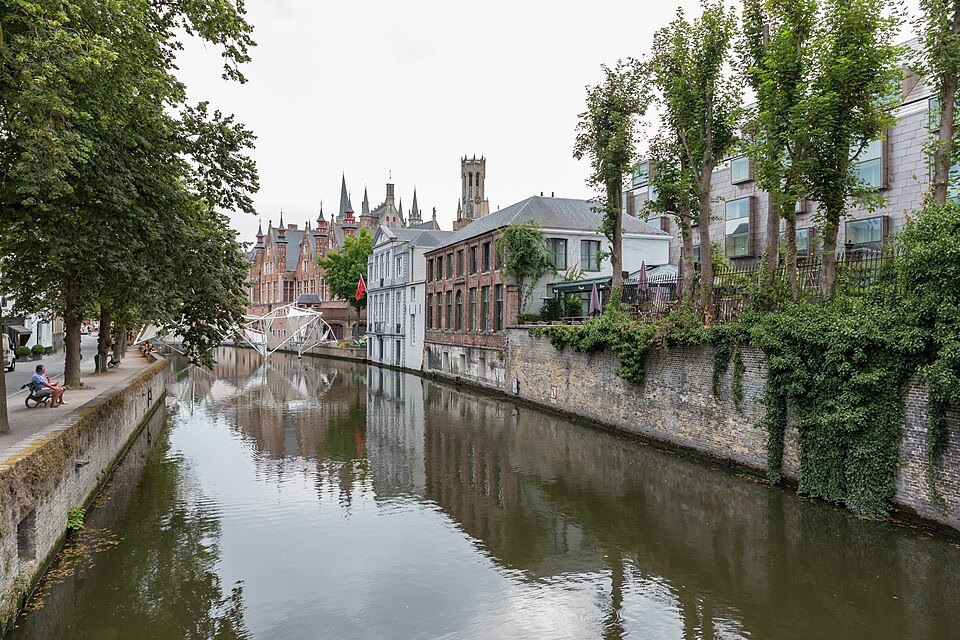
With a second day, add the museums properly, the Groeningemuseum and the Gruuthuse, and then walk north to Jan van Eyckplein and the Groenerei. A third day is the time for the eastern side: the Jerusalem Church, the windmills and a walk along the ramparts past the city gates. The itineraries set these out day by day.
Churches and places of worship
Several of the sights are working churches: the Church of Our Lady, St. Salvator's Cathedral, the Basilica of the Holy Blood and the Jerusalem Church, as well as the church of the Beguinage, where Benedictine nuns live. Dress and behave as you would in any church, keep your voice down, and expect parts of them to be closed to visitors during services.
The Beguinage in particular is a place of silence, and visitors are asked to respect it. Photographing people at prayer, or the sisters of the Beguinage, is not welcome anywhere.
Avoiding the crowds
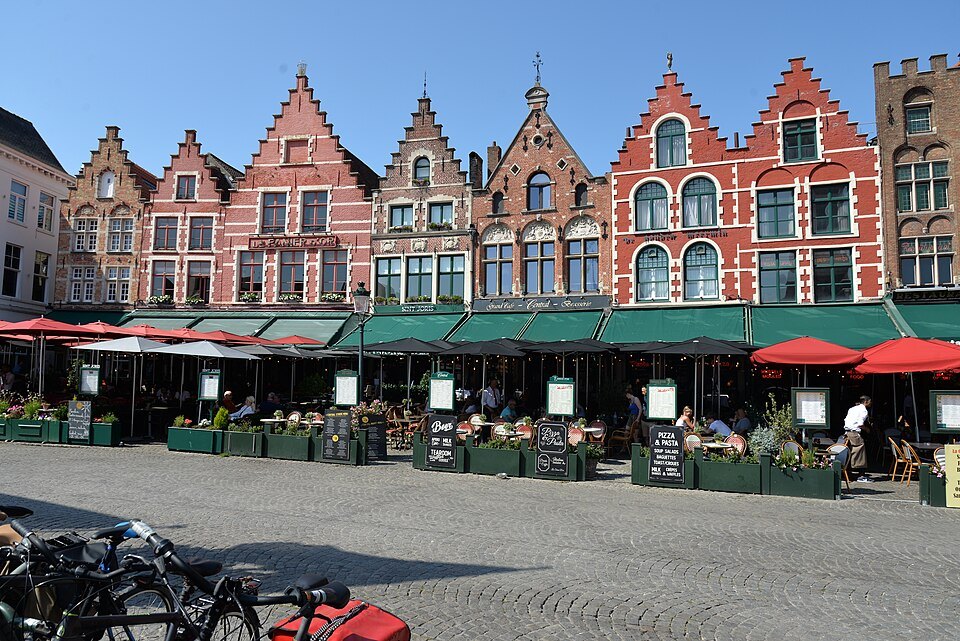
Bruges receives some eight million visitors a year, and a great many of them come for the day. They arrive from late morning and fill the Markt, the Burg, the Rozenhoedkaai and the boat stages until the late afternoon. The simple answer is to be early and late: see the most famous places at the beginning and end of the day, and spend the middle hours in museums or in the quieter northern and eastern quarters.
Weekends are busier than weekdays, summer busier than winter, and the weeks of the Christmas market and the day of the Holy Blood procession busiest of all. Book the Belfry slot for early in the day, and walk the Groenerei and the Langerei when the squares are full.
Beyond the eighteen
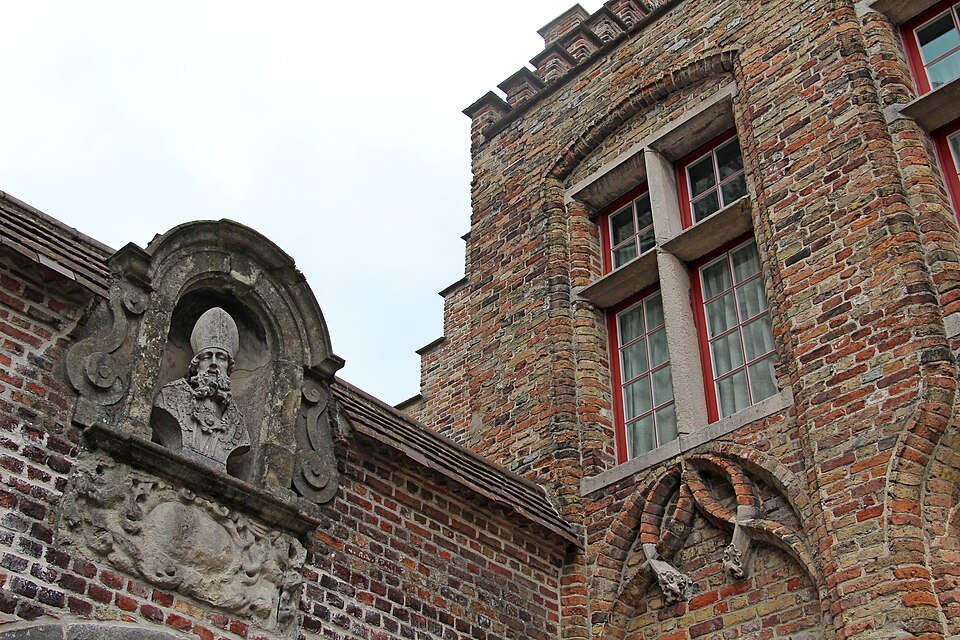
The eighteen sights with their own pages are the core of a visit, but Bruges has plenty more. The De Halve Maan brewery on the Walplein runs daily tours and has brewed in the city since 1856. The Frietmuseum, in the Gothic Saaihalle of 1399 on Vlamingstraat, and the Choco-Story chocolate museum near Sint-Jansplein are popular with families.
The Poortersloge on Jan van Eyckplein hosts exhibitions of contemporary art, and the Concertgebouw on 't Zand is the city's concert hall. In Triennial years, the next announced for 2027, contemporary art and architecture installations appear in the streets and on the canals.
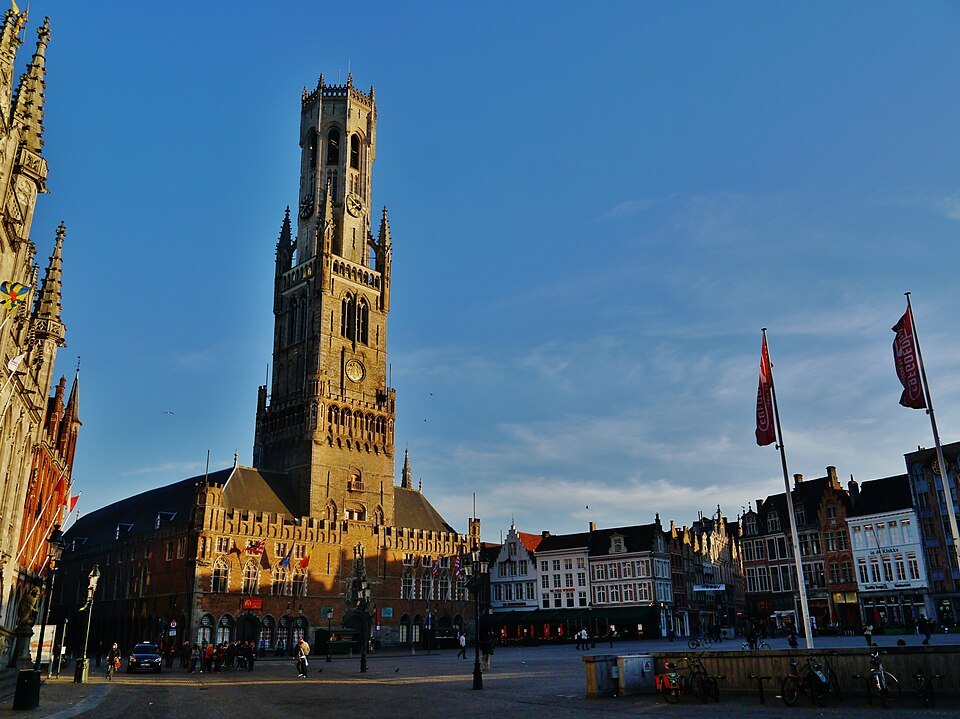
For food and drink, see eating and drinking; for the painters whose works fill the museums, the Flemish masters.
Accessibility
Much of Bruges is demanding for visitors with limited mobility: the streets are cobbled, pavements are narrow, and several sights involve steps. The Belfry has 366 steps and no lift, the canal boats and their landing stages cannot take wheelchairs, and the museum windmills have near-vertical stairs.
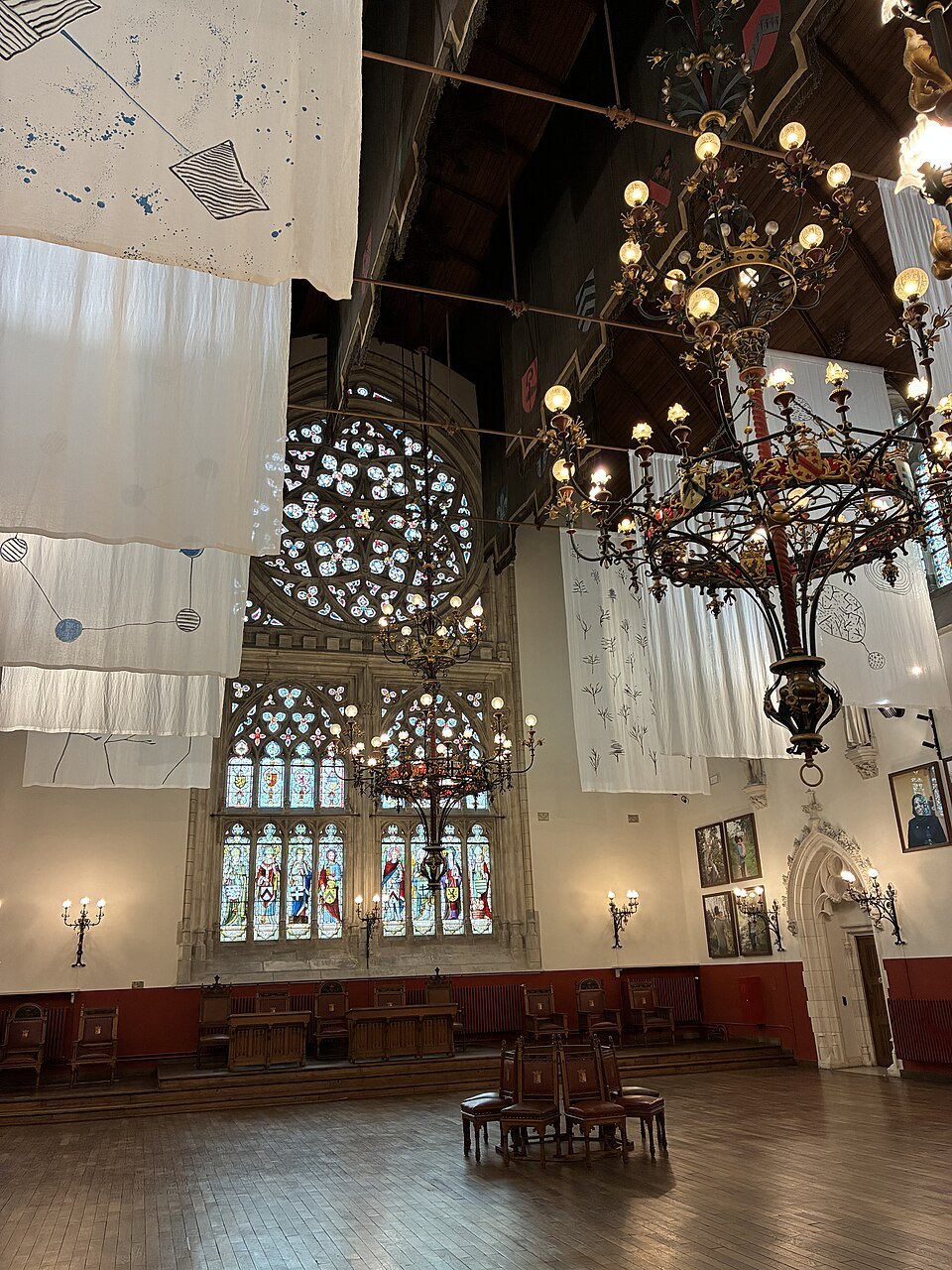
The squares, the quays and many museum rooms are level, and Musea Brugge publishes access information for each of its locations. Checking a sight's page before you go will save a wasted walk. Each sight page on this site also says how long to allow and what to combine it with.