Home · Getting Around
The old town of Bruges is small enough to cross on foot in half an hour. When to walk, when to take the bus from the station, how cycling works in a city that favors bikes, and where taxis and carriages fit in.
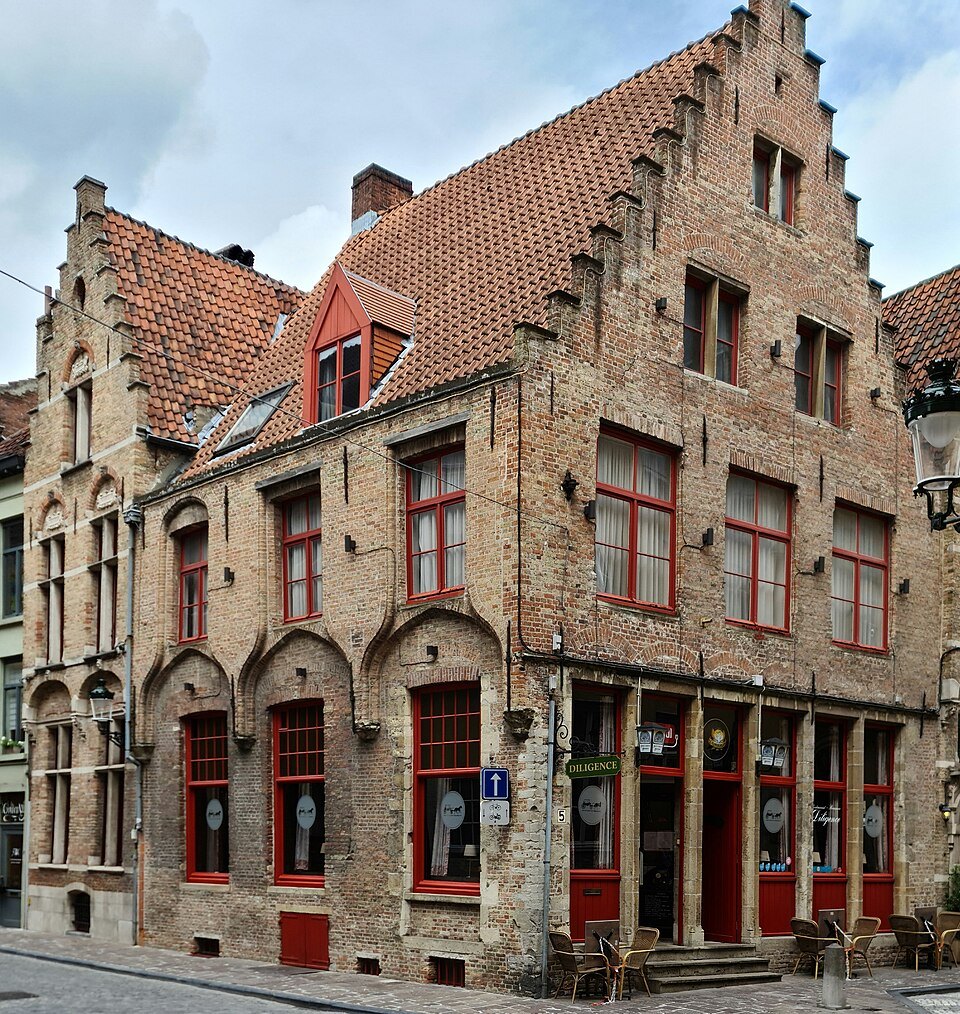
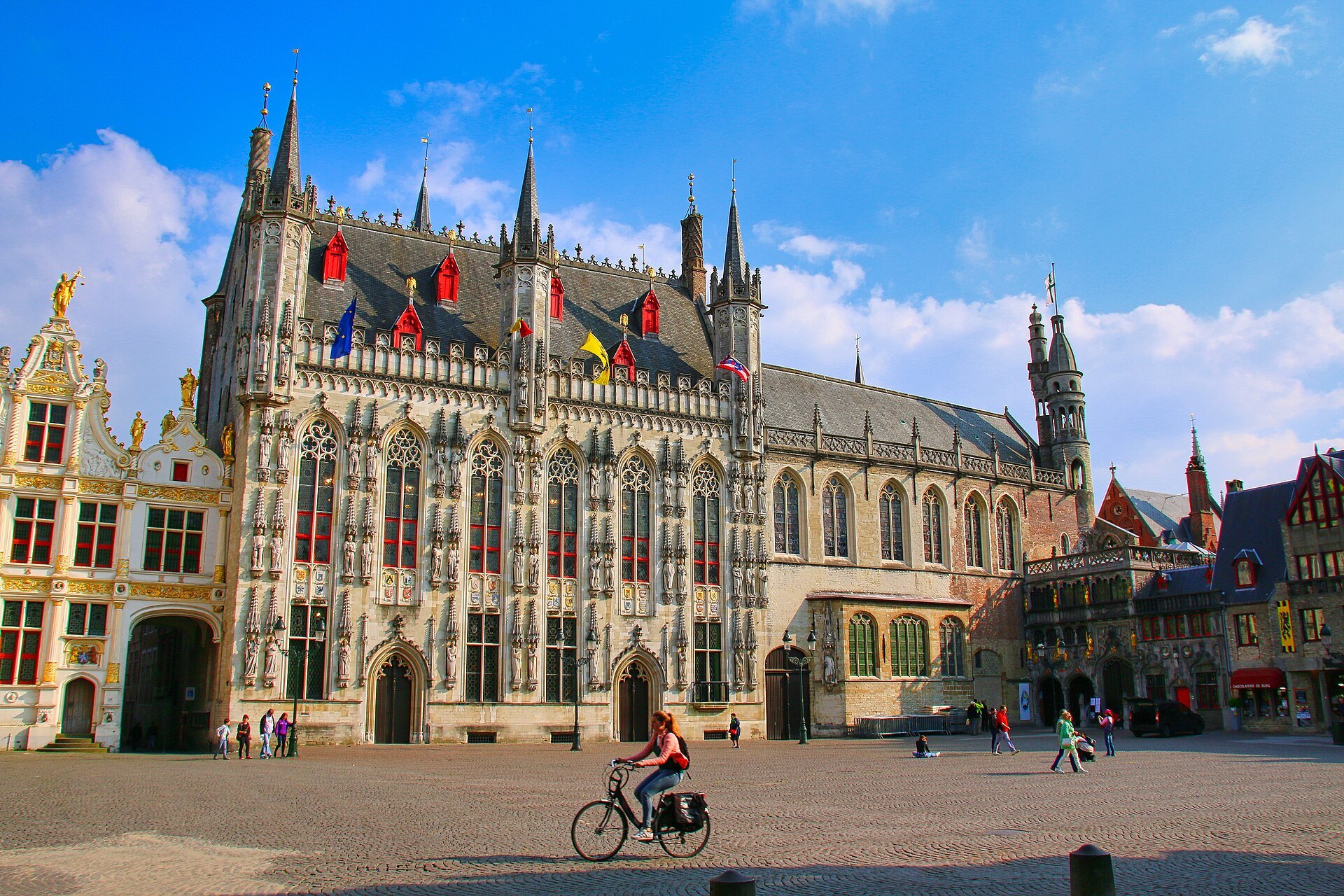
On foot
The whole old town is walkable: the Markt is about twenty minutes from the station, and most sights are within ten minutes of each other.
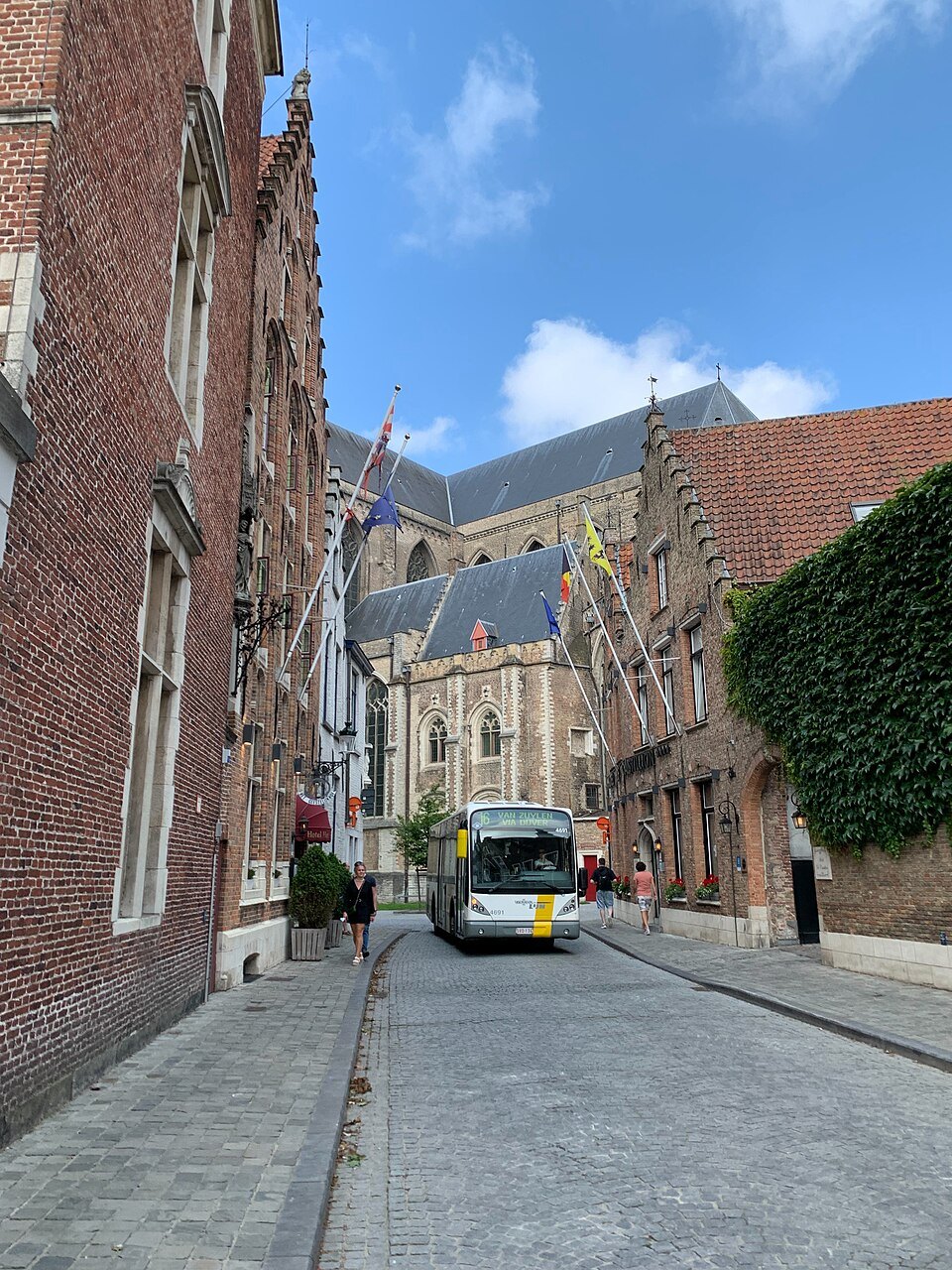
By De Lijn bus
Buses run between the station and the center every few minutes; lines 1 and 2 stop at the Markt.
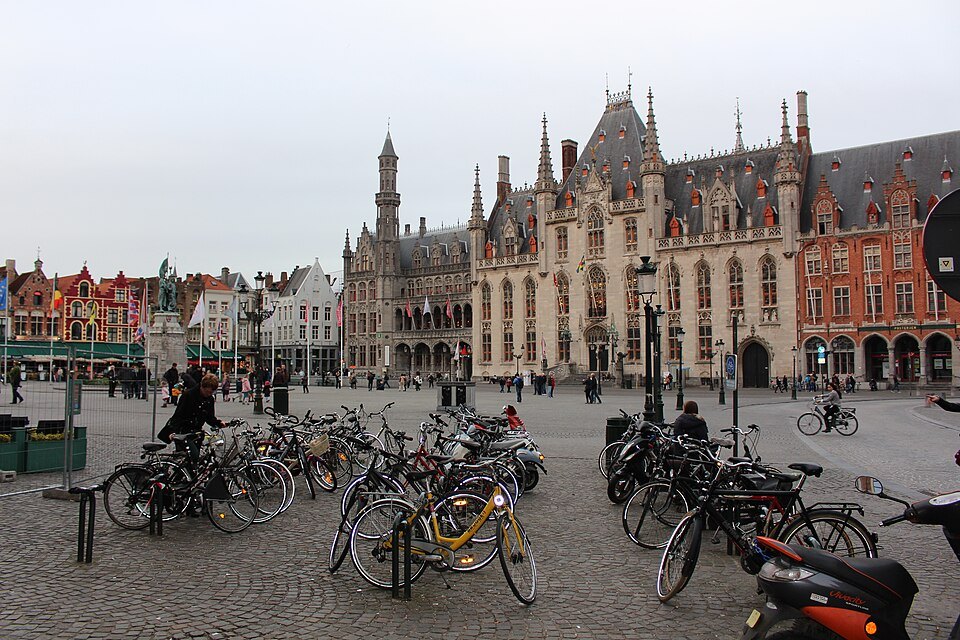
By bike
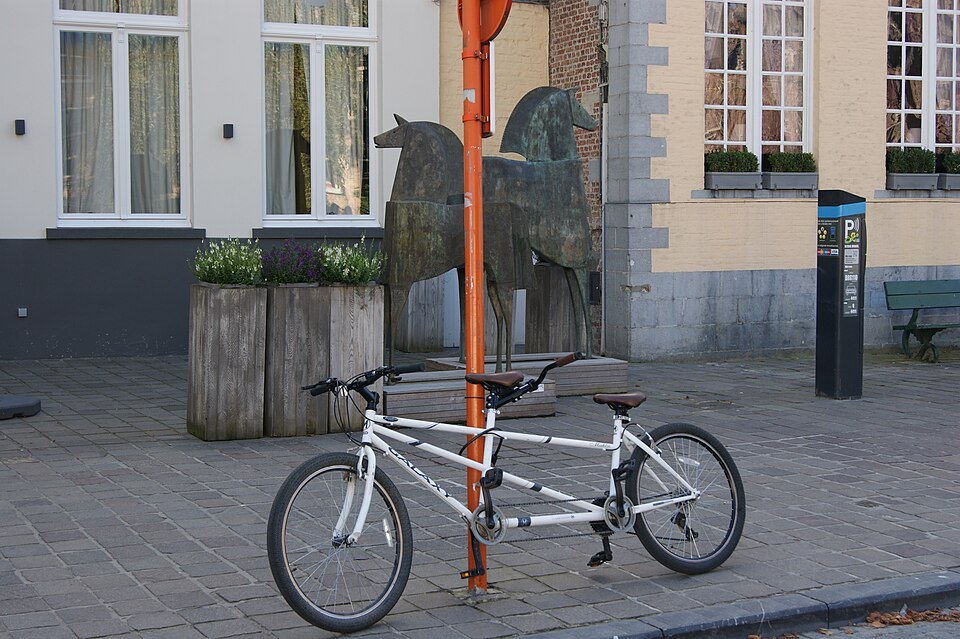
The historic center is a bicycle zone where cars may not overtake cyclists, and bikes can be rented around town or through shared schemes.
By taxi
Official taxi stands include the Markt and the station square; booking ahead is sensible at busy times.
By horse carriage
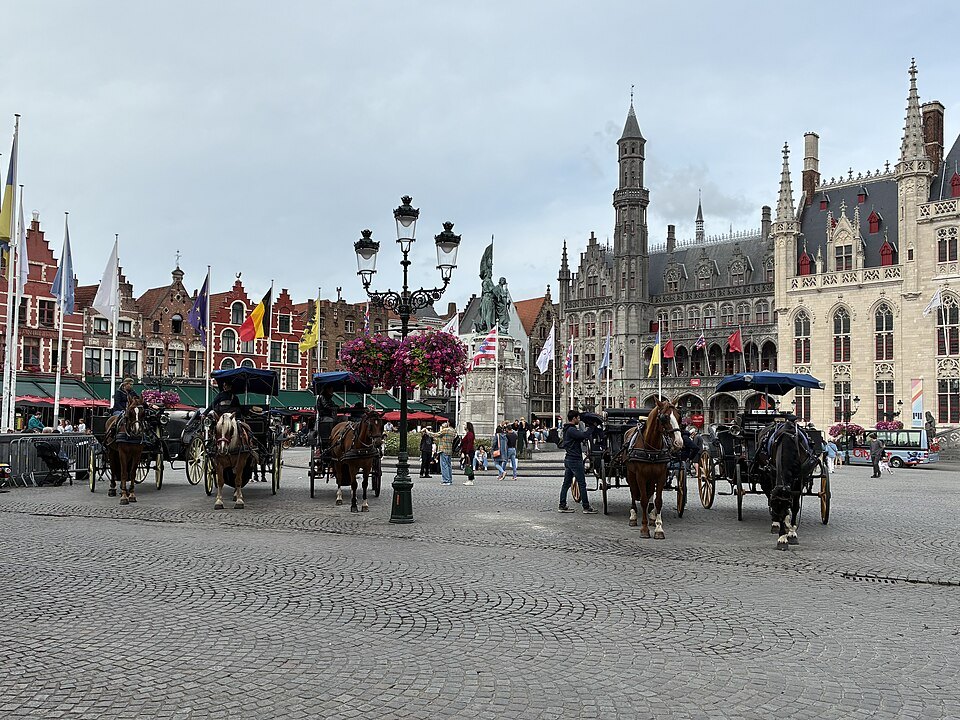
Horse-drawn carriages wait on the Markt for short sightseeing rides through the center.
Walking is the way
Bruges rewards walking more than almost any city in Europe. The old town is an oval a couple of kilometers across, and its sights are packed close together: the Markt and the Burg are two minutes apart, the canals of the Rozenhoedkaai five minutes further, and the Church of Our Lady and the Beguinage a short walk south. Visit Bruges gives the walk from the station to the Markt as about twenty minutes.
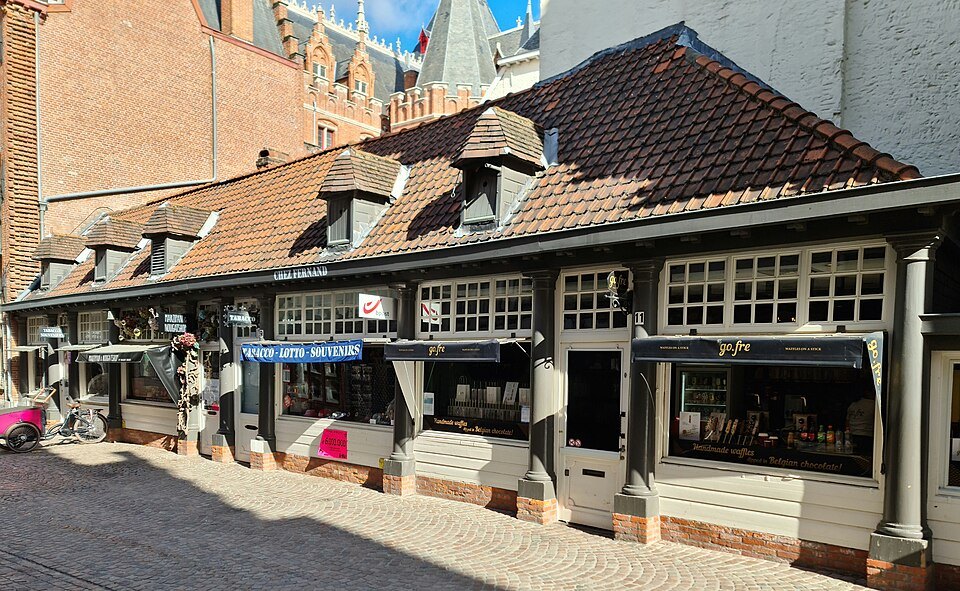
The streets are paved with cobbles, and many are narrow, so comfortable shoes matter more than any ticket. The lanes along the canals are often quieter than the shopping streets, and they are usually the more direct route too. If you get lost, look for the Belfry above the roofs; the center is always close.
Walking also lets you see the parts of Bruges most visitors miss: the Groenerei behind the Burg, the long straight streets of the Sint-Anna quarter, and the green ramparts with their windmills. Plan your days by area and you will rarely need anything but your feet; the itineraries are built that way.
Some links on this page are affiliate links. If you book through one we may earn a commission, at no extra cost to you. It does not affect what is recommended here, and no sight page on this site carries one.
Luggage storage near the station and the center, and mobile data for maps and bus tickets.
Buses
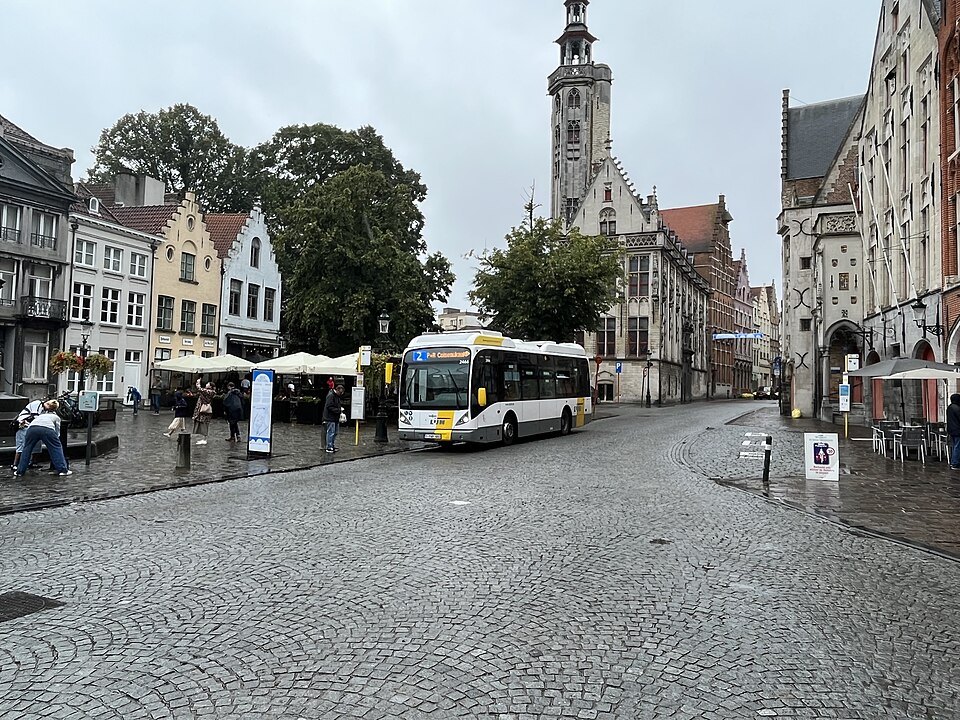
The regional transport company De Lijn runs the city buses. Visit Bruges notes that a bus runs every five minutes between the train station and the center, and lines 1 and 2 connect the station with the Markt. The ride takes only a few minutes, which makes the bus useful on arrival with luggage, in bad weather, or at the end of a long day.
Tickets are valid for a set time and allow changes within it. They can be bought on the bus with a contactless card, at the De Lijn ticket shop on the station square, from machines at the station and on 't Zand, and in the De Lijn app, which also shows real-time departures.
Inside the old town most visitors never need a bus again. Services are more useful for reaching the park-and-ride sites, the edge of the ramparts or places outside the ring.
Cycling
Bruges treats cyclists as privileged road users. Visit Bruges explains that all the streets of the historic center form a bicycle zone, where motor vehicles may not drive faster than thirty kilometers an hour and may not overtake cyclists. In some one-way streets, bikes are allowed to ride in both directions; follow the signs, because not every street allows it.
Bikes can be rented at shops around town, and shared systems such as Blue-bike and Hoppy operate in the city. A bike is the best way to follow the ramparts all the way round, or to ride out along the canal to the countryside and the coast; the ride to the nearby town on the day trips page is a classic.
Cobbles and crowds make cycling in the busiest streets slow and bumpy, and on summer afternoons walking can be quicker. Lock your bike to a proper rack; the station has a large underground bicycle park.
Beyond the ring
Some useful places lie just outside the old town. The park-and-ride car parks on the outskirts are linked to the center by bus; Visit Bruges notes, for example, that the Waggelwater park-and-ride is served by bus line 1. The coach park on the Kanaaleiland is about twenty minutes' walk from the Markt.
The green ramparts that circle the center are best explored on foot or by bike. Walking the whole loop takes a couple of hours at an easy pace, past the city gates and the windmills; by bike it is a relaxed hour. Paths run beside the outer canal, away from traffic for much of the way.
For trips further out, to Ghent, the coast or the countryside, the train and the bike are the usual choices, and both start close to the station. The day trips page explains which suits each destination.
Taxis and carriages
Official taxi stands operate in the city, including on the Markt and outside the station, and Visit Bruges recommends booking ahead. A taxi makes sense at the start or end of a stay with heavy bags, or late in the evening, but distances inside the ring are short.
Horse-drawn carriages wait on the Markt and take visitors on short rides through the center, with the driver pointing out the sights. They are a sightseeing ride rather than transport, and their route is set by the driver. Bike taxis also operate from the station.
Canal boats are sightseeing too, not a way of getting from one place to another: every trip returns to the stage it left from. See the canal boats for how they work.
Accessibility
The cobbles, narrow pavements and steps of the old town make Bruges demanding for wheelchair users and anyone with limited mobility, although the main squares are level and large parts of the center are traffic-free. The canal boats and their landing stages are not accessible, and the Belfry has no lift.
The city buses are the easiest way to cover the distance between the station and the center. Musea Brugge and Visit Bruges publish access information for individual museums and sights, and it is worth reading before you plan a day around them.
Arriving and leaving
Most journeys in Bruges begin and end at the station. For trains, airports, coaches and the car parks at the edge of town, see getting here. For choosing a base that keeps your walking short, where to stay describes each part of the old town, and booking ahead lists the few visits worth planning in advance.
If you are staying a few days, the easiest rhythm is simple: walk everywhere inside the ring, take the bus only to and from the station, and rent a bike for one day to see the ramparts and the canal out of town.