Home · Sights · St. John's Hospital
One of the oldest surviving hospital buildings in Europe, where Augustinian sisters cared for the sick for eight centuries, now a museum holding six paintings by Hans Memling.
The parts to look at
- GroundThe great wardThe oldest ward, built around 1200 in Tournai stone
- Floor 1The later wardsThree more wards added in stages between about 1234 and 1310
- Floor 2The chapelA fifteenth-century chapel where patients could follow services from their beds
- Floor 3The Memling roomsSix paintings, among them the Shrine of St. Ursula of 1489
- Floor 4The nineteenth-century hospitalSixteen wards round a courtyard, built in 1864, now a congress venue
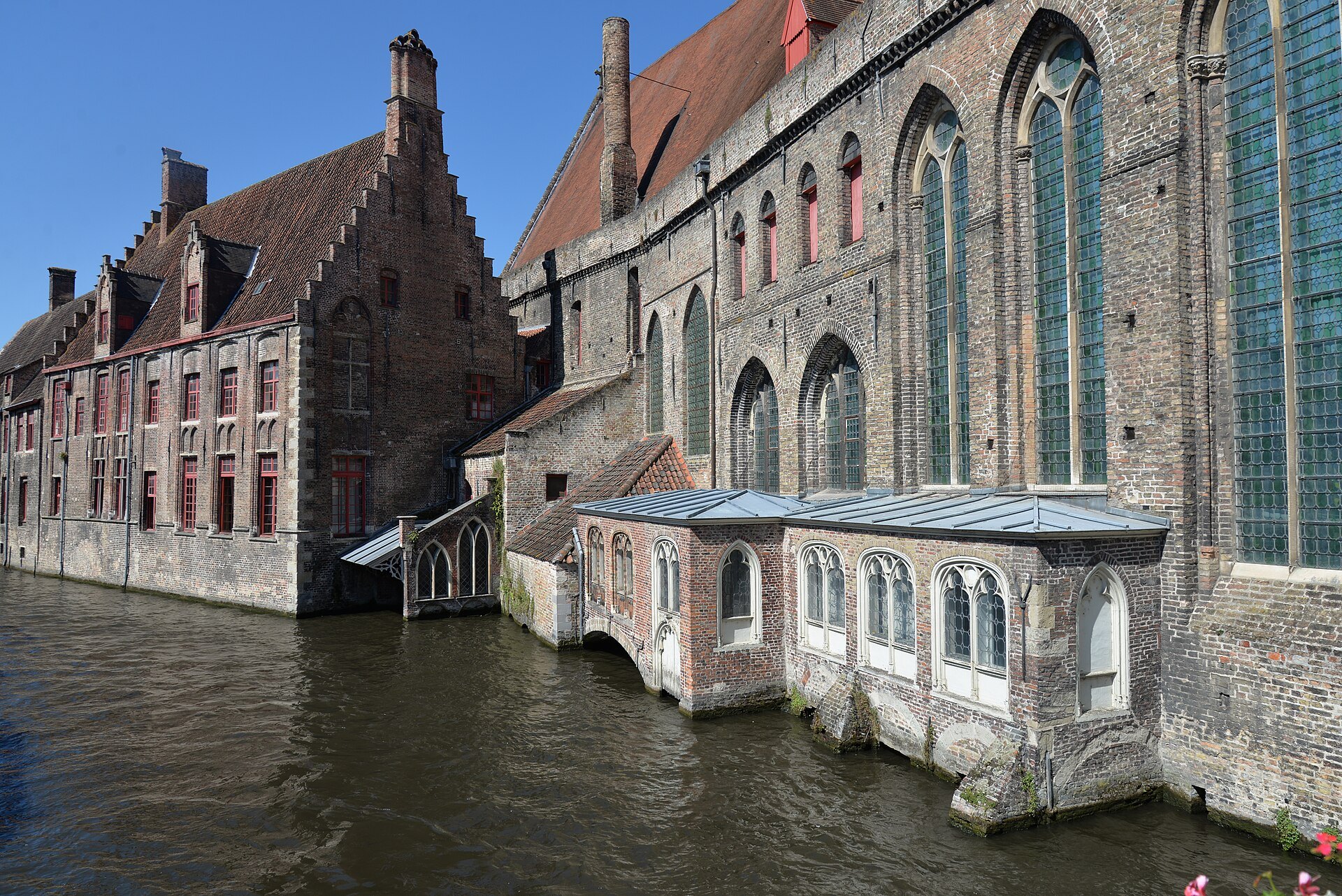
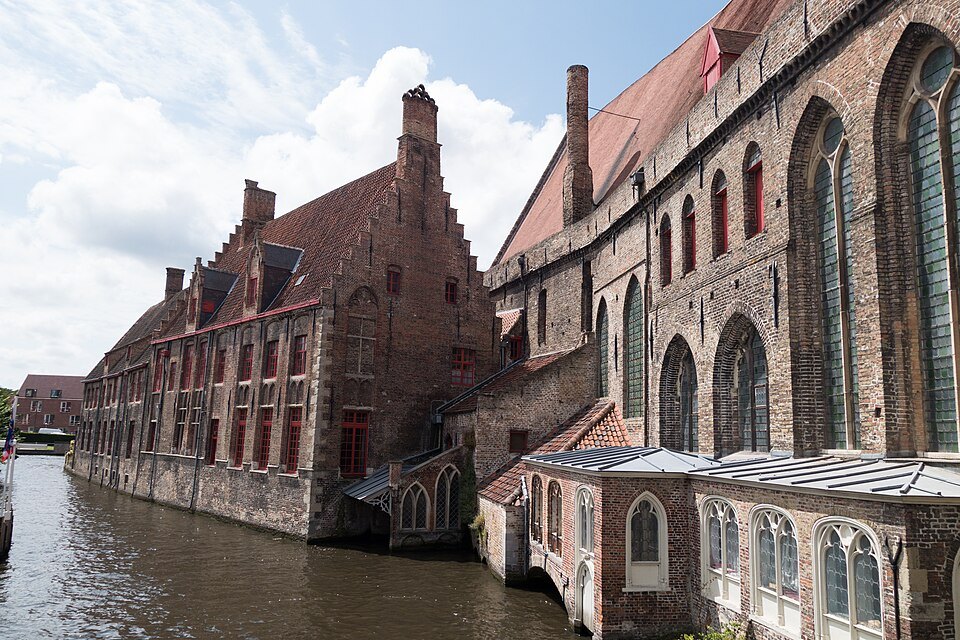
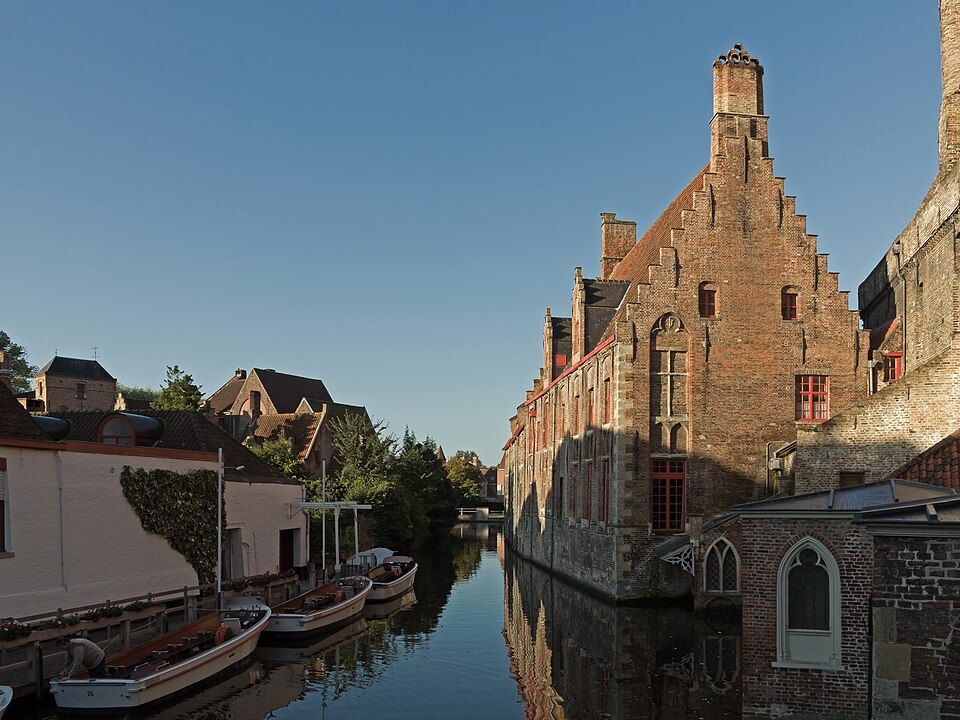
- Floor 5The canal sideBrick gables rising straight from the water, best seen from the bridge on Mariastraat
Why it matters
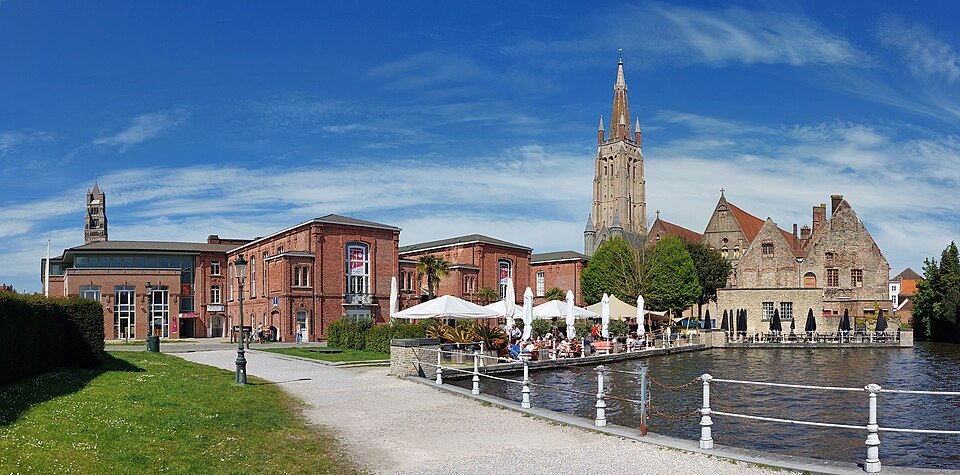
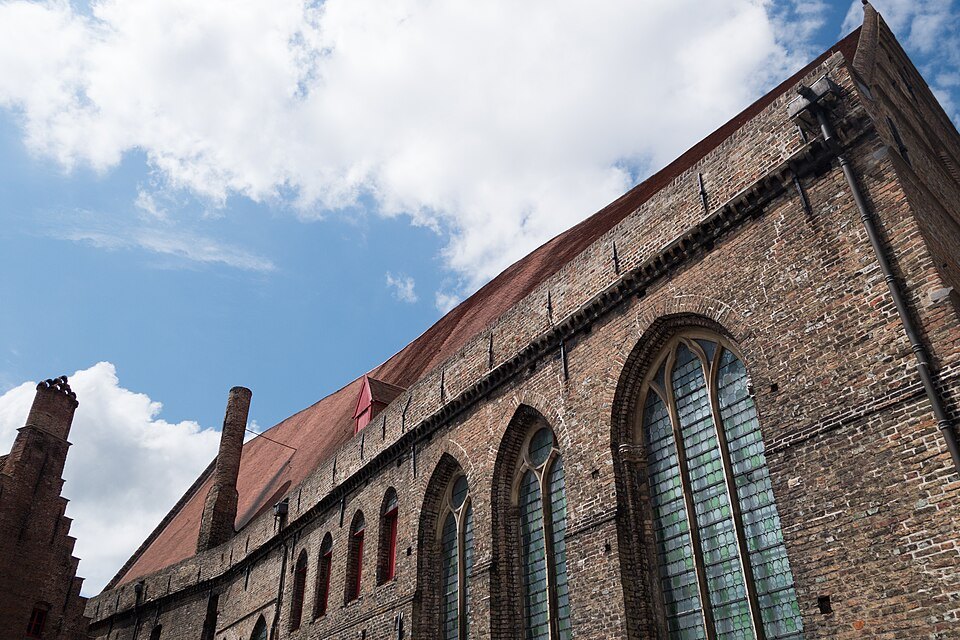
Across Mariastraat from the Church of Our Lady stands a long run of medieval brick and stone that looks more like a monastery than a hospital. St. John's Hospital was founded around 1150, and it counts among the oldest healthcare institutions on the European mainland. For more than eight hundred years the sick, the poor, pilgrims and travelers were cared for inside these walls.
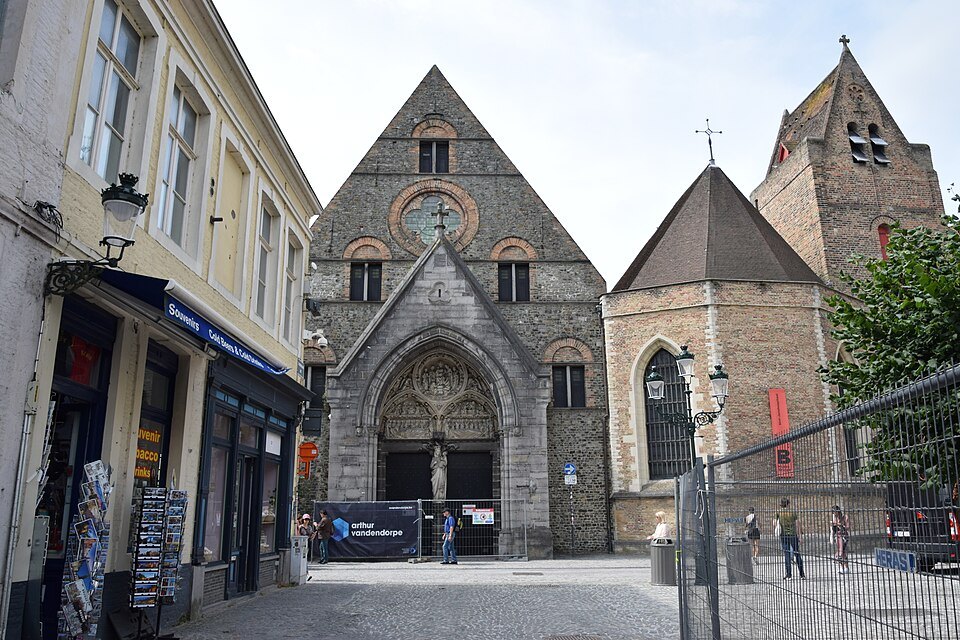
Today the old wards are a museum, and they hold a second treasure: six paintings by Hans Memling, the most successful painter in fifteenth-century Bruges. Two of them were made for this very hospital. Seeing them in the rooms where they were meant to hang is one of the great experiences the city offers.
A hospital from the twelfth century
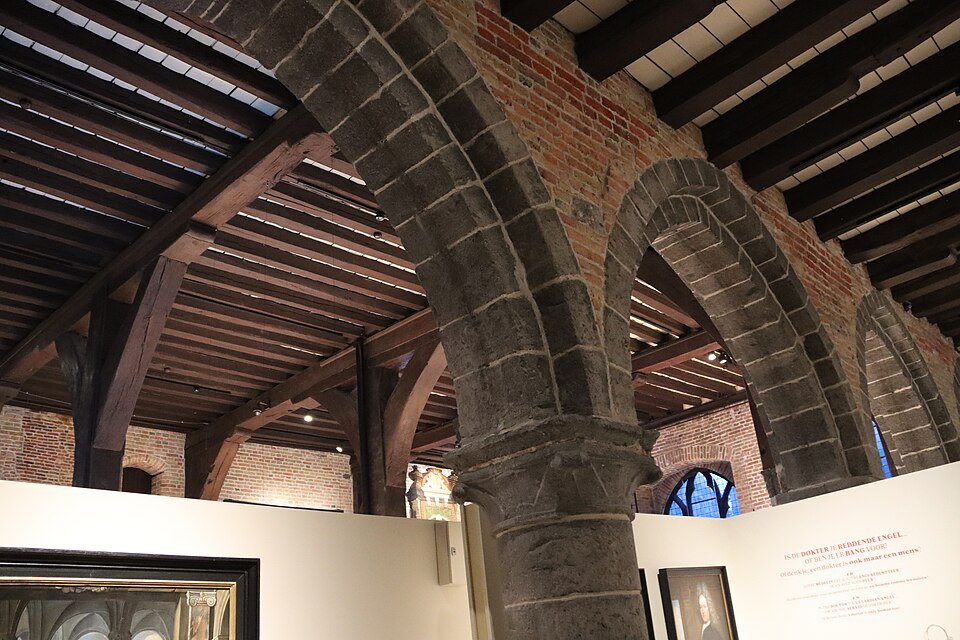
The earliest written evidence dates from 1188, when rules were drawn up for the sisters and brothers who ran the hospital, and archaeological digs in 1983 and 1997 found building fragments that confirm the early date. The great ward was built around 1200 in Tournai stone, and between about 1234 and 1310 three more wards were added in stages as the numbers of sick and travelers grew.
The brothers' convent followed in the fourteenth century and the sisters' convent between 1539 and 1544, and a fifteenth-century chapel completed the medieval complex. Augustinian sisters supervised the care. At first no doctors worked here permanently: barbers and surgeons carried out treatments such as bloodletting, while the chapel gave spiritual comfort that patients could share from their beds.
The hospital cared for more than the sick. Pilgrims and travelers passing through a great trading city also found a bed here, which is one reason the wards grew so large, and the institution became part of the everyday life of Bruges for centuries.
From hospital to museum
In 1864 new buildings designed by the architect Isidoor Alleweireldt were put up behind the medieval wards, with sixteen wards round an inner courtyard, reflecting new ideas about hygiene. The old buildings were kept rather than demolished.
The hospital finally moved out in 1977, to a modern hospital outside the old town. There were plans to demolish the nineteenth-century buildings, but the protected status given to the site in 1943 prevented it. After restoration in the 1990s the complex reopened as Oud Sint-Jan, a congress and cultural center, while the medieval wards became a museum. Since December 2023 it has been presented as Museum Sint-Janshospitaal.
The Memling paintings
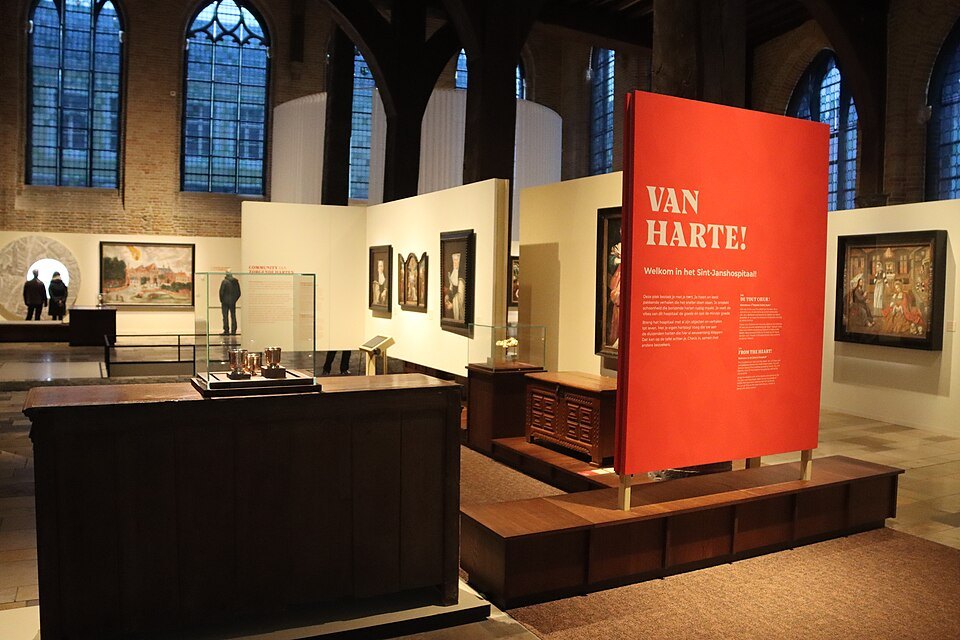
Hans Memling was born around 1430 near Frankfurt, trained in Brussels with Rogier van der Weyden, and became a citizen of Bruges in 1465, where he ran a large workshop and grew wealthy. He died in the city on 11 August 1494.
Memling's clients were not only local. Wealthy Italian merchant families living in Bruges, among them the Portinari and the Medici, ordered portraits and altarpieces from him, and his way of setting a portrait against a landscape influenced Italian painters later in the fifteenth century. By 1480 a tax record listed him among the 875 wealthiest citizens of Bruges.
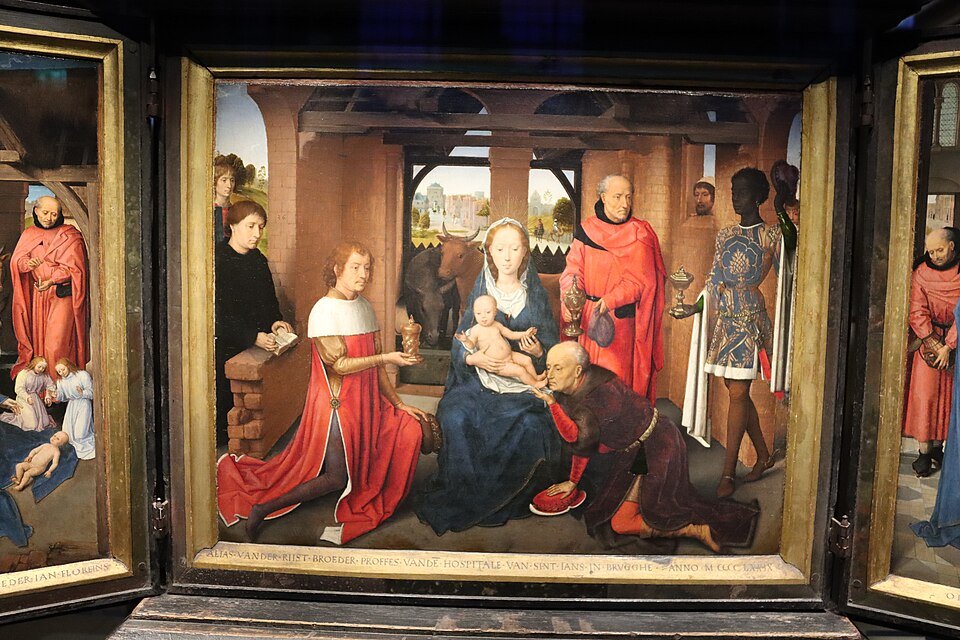
The museum holds six of his works. The Shrine of St. Ursula of 1489, a small gilded reliquary in the shape of a Gothic chapel painted with the saint's story, was commissioned by the hospital's own sisters. The St. John Altarpiece shows the two patron saints of the hospital. The Diptych of Maarten van Nieuwenhove, from 1487, came from another Bruges institution after the French Revolution. An exhibition about seeing Memling's work close up opened here in 2024.
What you actually see
The visit leads through the vast medieval wards, whose timber roofs and tall walls give a sense of how many beds they once held, and into rooms that tell the story of care over the centuries: medical instruments, hospital records and works of art, with contemporary artists shown alongside the old collection.
The Memling paintings are gathered in their own space. Take your time with the Shrine of St. Ursula: it is small enough that each painted panel repays close attention,. Beyond the wards is the old hospital pharmacy, and upstairs is the vast attic of the Diksmuide ward.
Outside, walk onto the bridge on Mariastraat, or along the canal behind the church, to see the hospital's brick gables rising straight out of the water. It is one of the finest views in the south of the old town.
How to visit
St. John's Hospital is a Musea Brugge location, and tickets, combined tickets and any time slots are set by Musea Brugge. Allow an hour and a half if you want to see the wards and the paintings properly; the Memling works alone deserve half an hour.
The museum is less crowded than the Belfry or the Church of Our Lady, and the spacious wards rarely feel busy. The inner courtyard of the nineteenth-century hospital is part of the Oud Sint-Jan complex and makes a quiet place to sit.
Pair it with Our Lady and the Gruuthuse across the street, then walk south to the Beguinage. To follow Memling and Van Eyck through the city, see the Flemish masters.
Nearby
- Along the DijverChurch of Our LadyThe church whose brick tower rises over the south of Bruges, holding a marble Madonna by Michelangelo and the tombs of…Read the page
- Along the DijverGruuthuse MuseumThe brick palace of the lords of Gruuthuse, who grew rich on a tax on beer herbs, now a museum of how wealthy Bruges…Read the page
- The quiet southThe BeguinageA walled enclosure of white houses round a lawn of tall trees, founded for beguines in the thirteenth century and home…Read the page