Home · Eating & Drinking
What Bruges and Flanders eat and drink, which of it is truly the city's own, and where the brewery, the chocolate makers and the fry stands fit into a visit. No restaurant recommendations, only the food itself.
- Flemish stew (stoofvlees)Beef or pork stewed slowly with onions and beer, often thickened with bread or spiced biscuits; in West Flanders cooks often add dried prunes. Usually served with fries.
- Belgian friesThick-cut fries served in a paper cone with a choice of sauces. Belgian rather than Bruges alone, and the city has a museum devoted to them.
- Brugse ZotThe city beer of Bruges, brewed by the De Halve Maan brewery on the Walplein, a family brewery working in the center since 1856.
- Straffe HendrikThe stronger beer of the same brewery, a second traditional Bruges beer.
- Brugse kletskoppenPaper-thin lace biscuits of butter, flour, almonds and sugar, a Bruges specialty made to a recipe dating from a bakery founded in 1880.
- Brugse beschuitToasted slices of white bread with milk and spices, always covered with a thick layer of sugar; one of the city's traditional baked goods.
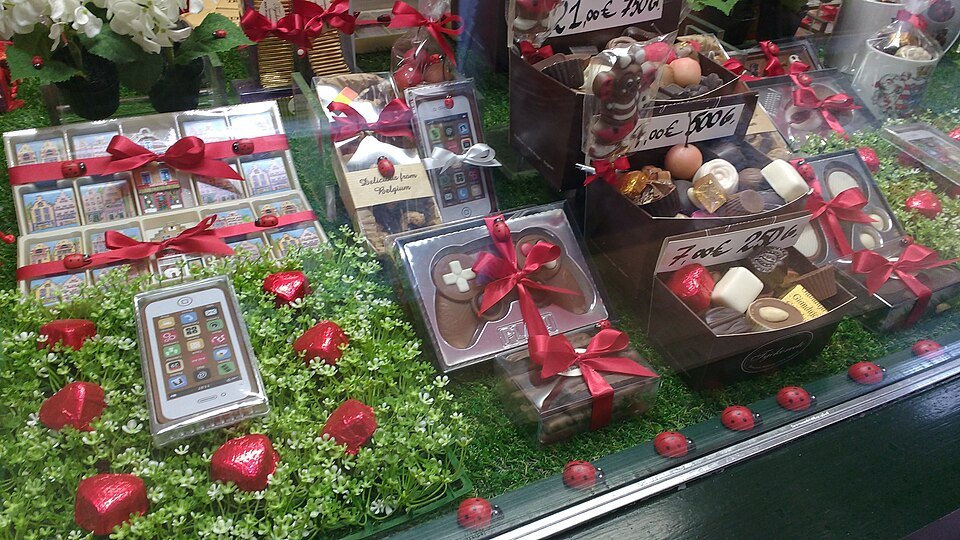
- ChocolateBelgian pralines and bars fill shop windows across the center; the Choco-Story museum tells the history of cocoa.
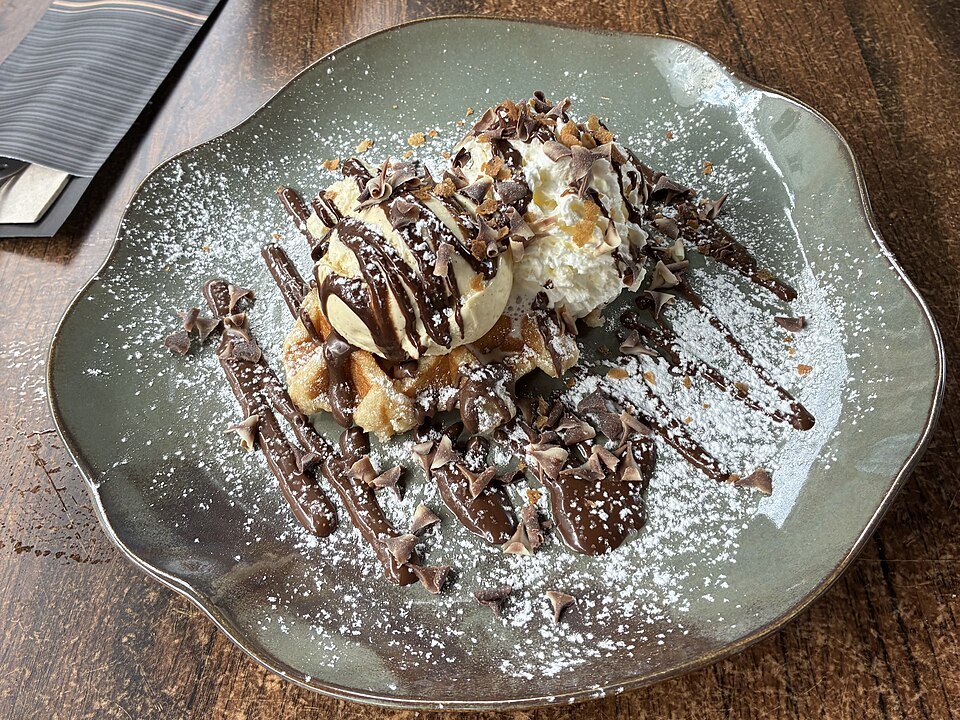
- WafflesSold everywhere in the center, but the two famous kinds are named after Brussels and Liège, not Bruges.
What Bruges actually eats
Bruges eats like Flanders: hearty, generous food built around beef, potatoes, butter and beer. Visitors arriving with a list of Belgian clichés, waffles, chocolate, fries, will find all three on every corner of the center, but they are national rather than local, and the more interesting food of the city is often the plainest.
This page separates the two: the dishes and drinks that belong to Flanders or to Bruges itself, and the national favorites that happen to be sold here. It names no restaurants, cafés or shops. A guide written at a desk cannot tell you which kitchen is good this season; the city's own tourist office and your hosts can.
Flemish stew
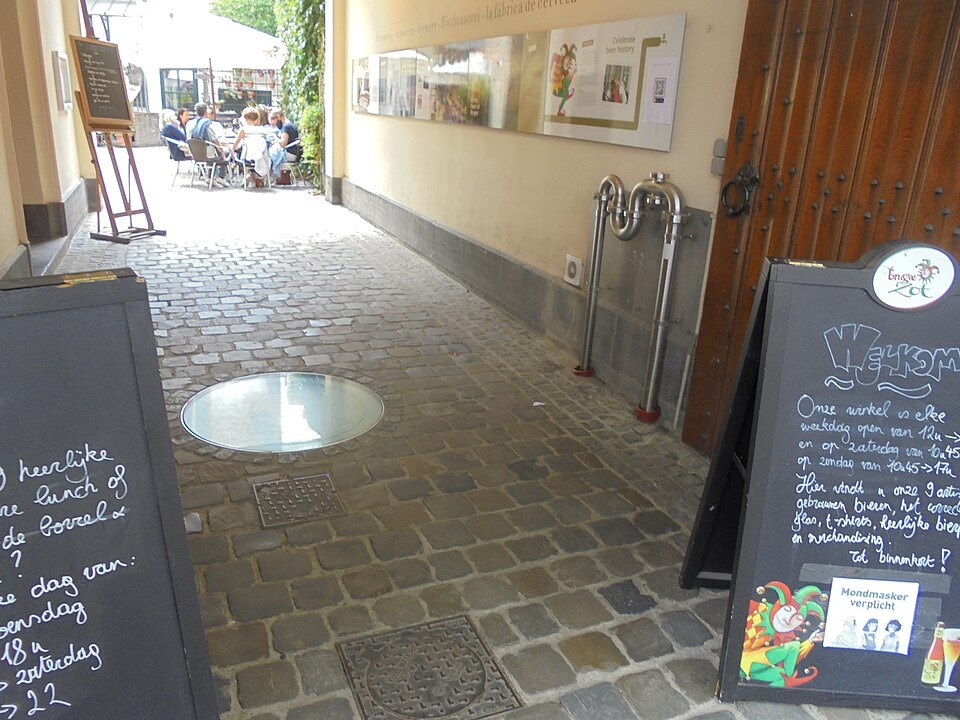
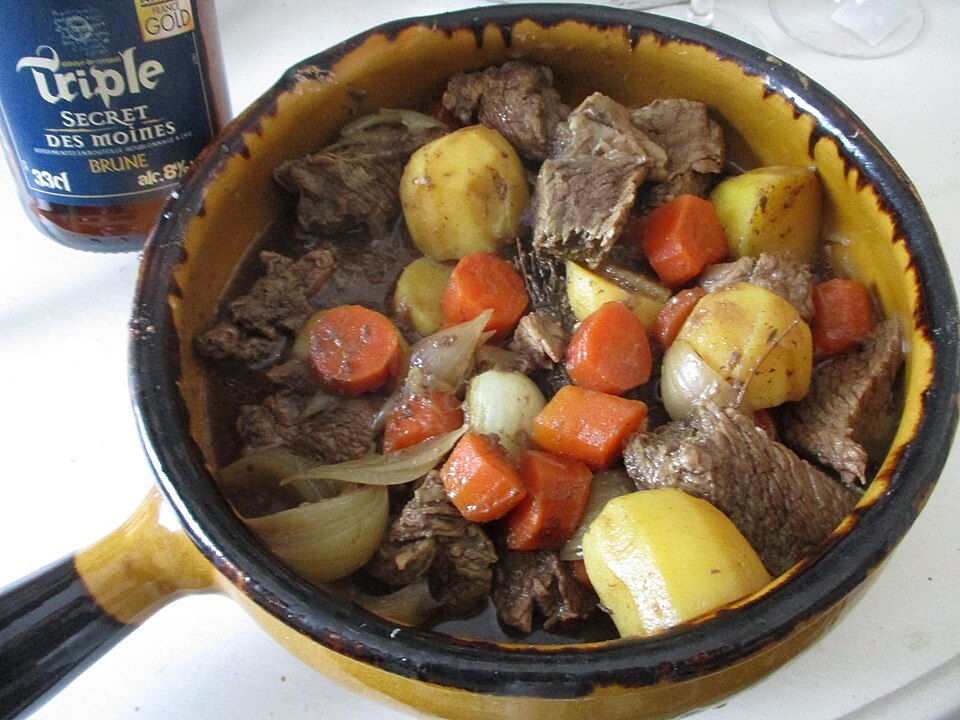
If one dish stands for the everyday cooking of the region, it is Flemish stew, stoofvlees in Dutch or carbonade flamande in French. It is a slow stew of beef, or sometimes pork, with onions and beer, seasoned with mustard, bay, thyme, clove or juniper, and thickened with bread, gingerbread or spiced speculaas biscuits.
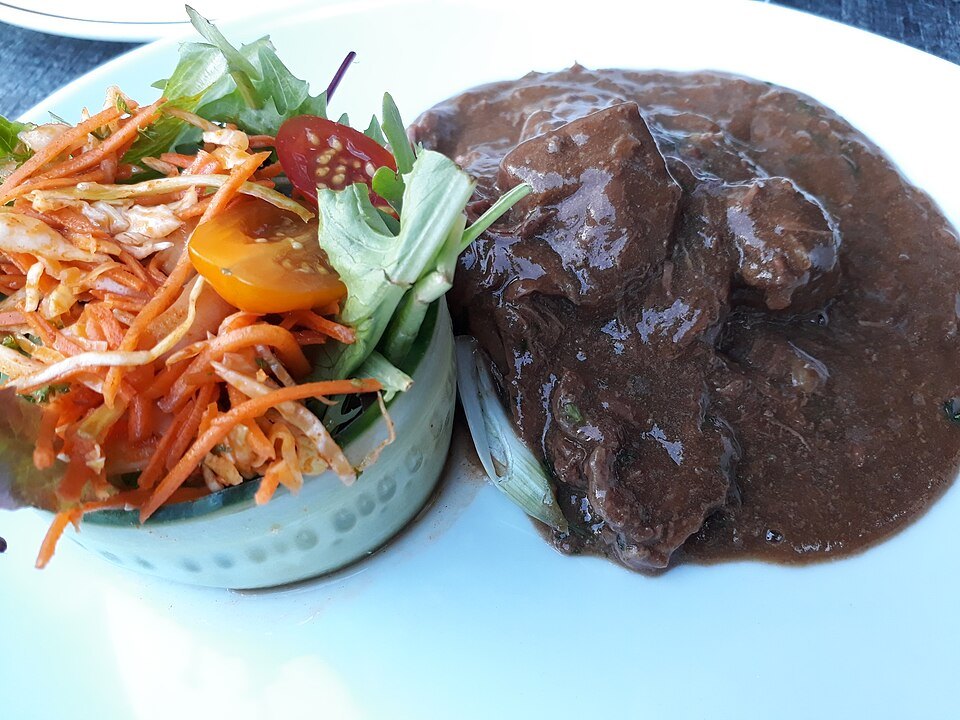
The beer matters: Oud Bruin, brown abbey beers and Flanders red ale are typical. In East and West Flanders, cooks often add dried prunes during the stewing, and just before serving some add a little vinegar and brown sugar or red currant jelly to balance the sweetness. It is usually served with fries, boiled potatoes, apple sauce or stoemp, a mash of potatoes and vegetables, and it is found in restaurants and in the fry shops called friteries.
Stew is a good example of how Flemish cooking varies from town to town and kitchen to kitchen. Some cooks sweeten the sauce with Sirop de Liège, a thick syrup from the east of Belgium, and every family seems to have its own view of which beer and which biscuits make the best version, so it is worth trying more than once.
Beer brewed in the city
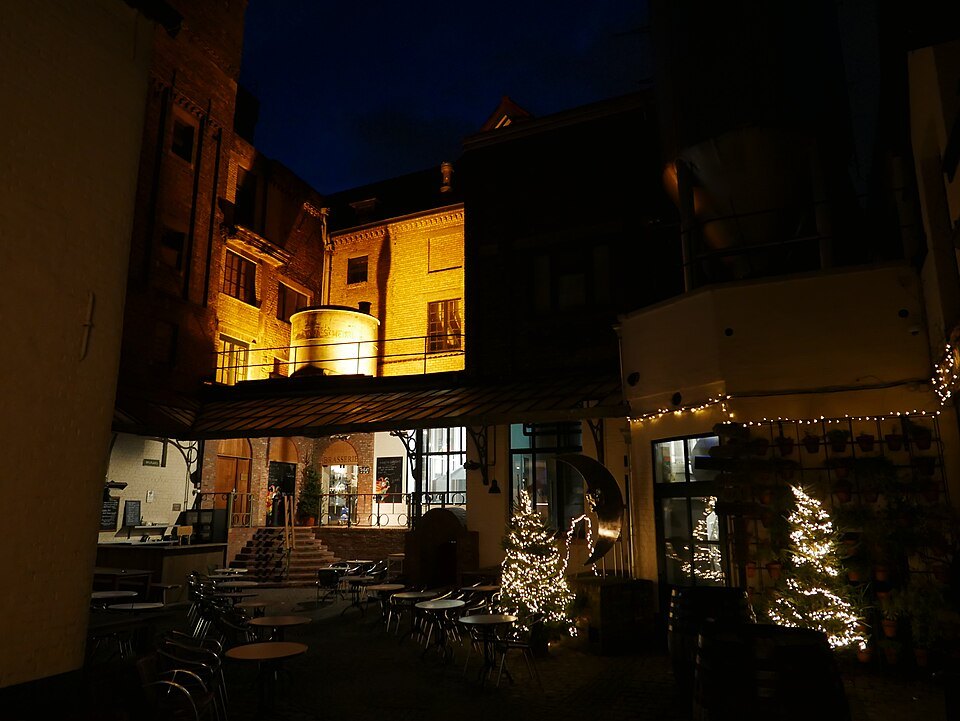
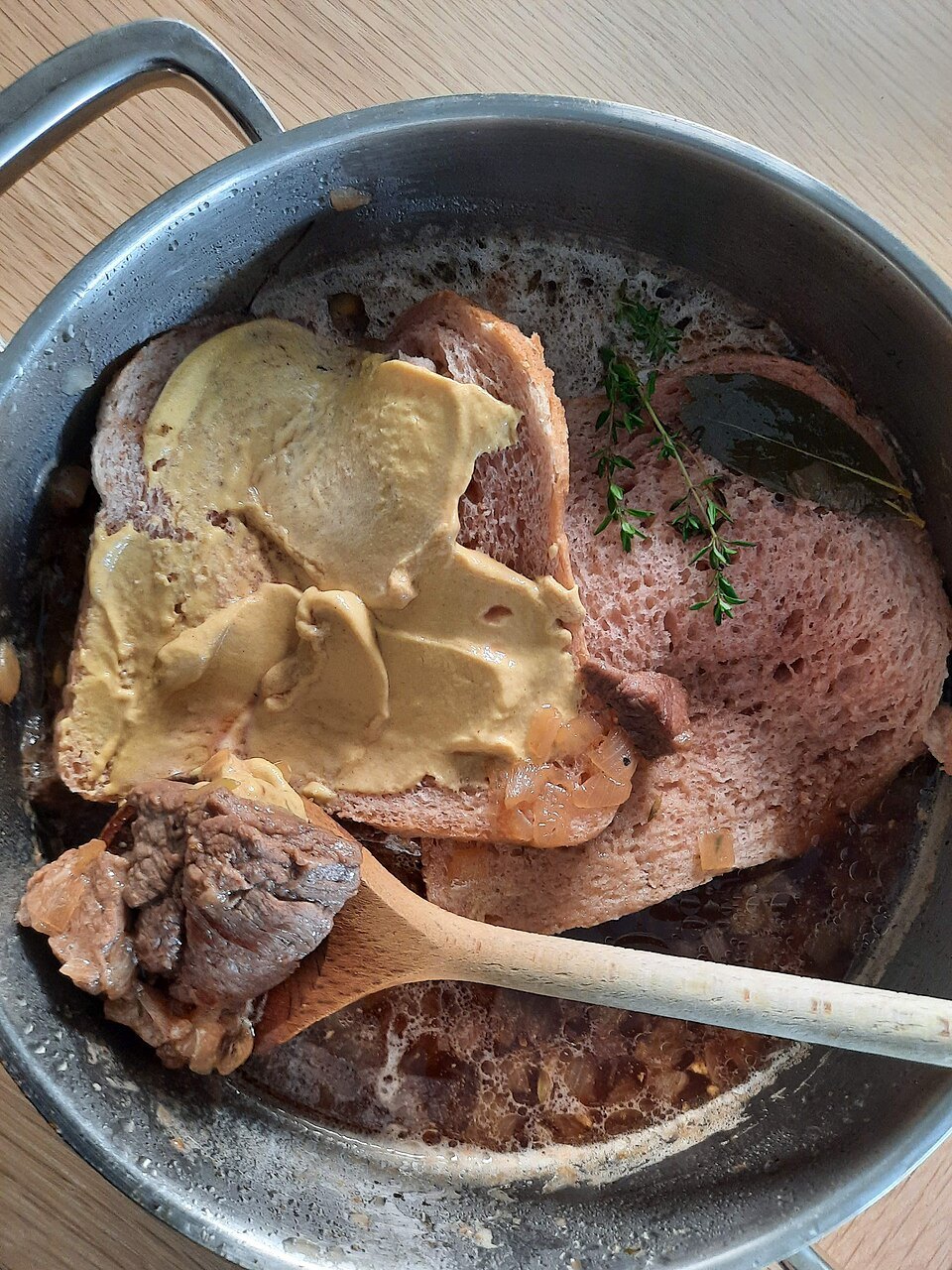
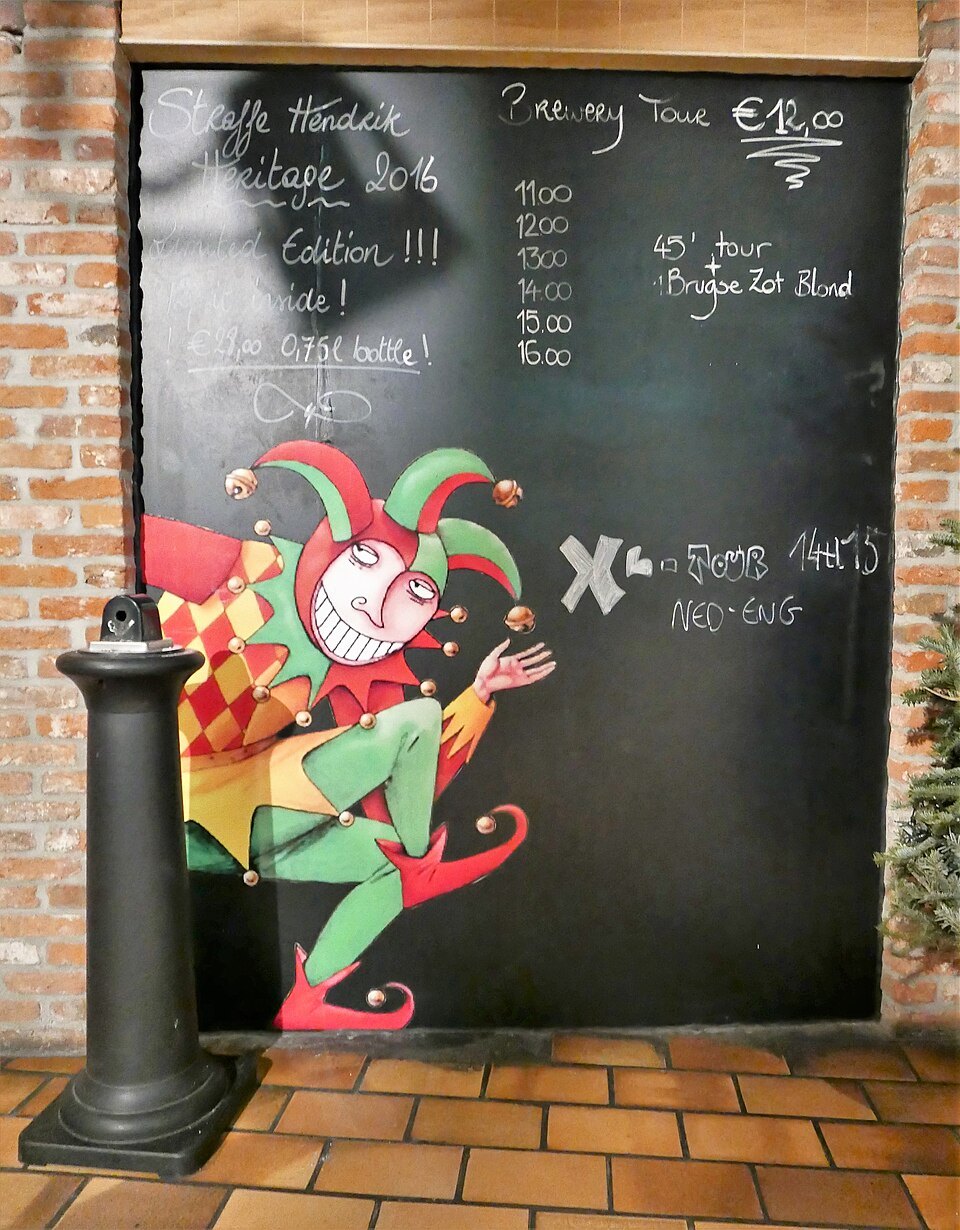
Belgium is famous for beer, and Bruges has its own. The De Halve Maan brewery on the Walplein, a few minutes from the Beguinage, has been run by the Maes family since 1856 and describes itself as the last authentic family brewery in the city. Its best-known beer is the Brugse Zot, the city beer, and its stronger beer is the Straffe Hendrik.
The brewery runs guided tours every day, ending with a glass of Brugse Zot, and a tour includes a view out over the roofs of Bruges. Since 2016 the brewery has also been known for its underground beer pipeline, about three kilometers long, which carries beer from the brewery in the center to its bottling plant on the edge of the city. Part of the cost was raised from the brewery's supporters through crowdfunding, and it lets up to four thousand liters of beer an hour flow out of the old town beneath the streets.
Beyond the brewery, the bars and cafés of the center serve beers from all over Belgium, and the Bruges Beer Festival in early February gathers dozens of breweries in the halls of the Belfry.
Biscuits and the bakery tradition
The food that is most truly Bruges's own comes from the bakery. Brugse kletskoppen, known in French as dentelles de Bruges, Bruges lace, are paper-thin biscuits of butter, flour, almonds and rock sugar, their name meaning something like bald heads. They are still made by hand to the recipe of Stefanie Vervarcke, who founded a pharmacy bakery in 1880.
Other traditional Bruges bakes include achten and lukken, and Brugse beschuit: toasted slices of white bread with milk and spices, always finished with a generous layer of sugar. These are the things to look for in a bakery window if you want to taste something that belongs to the city rather than to the whole country.
Fries, chocolate and waffles
Belgian fries are thick-cut, served in a paper cone with a sauce, and sold from stands and friteries all over the city. Bruges has a museum devoted to them: the Frietmuseum, opened in 2008 in the Saaihalle on Vlamingstraat, a Gothic hall dating from 1399, which traces the history of the potato and the fry and sells fries cooked the traditional way in its medieval cellar.
Chocolate shops line the streets between the Markt and the Beguinage. The Choco-Story museum, in the sixteenth-century Huis de Crone near Sint-Jansplein, tells the story of cocoa from the Maya to modern chocolatiers over four floors, with chocolates made and tasted on the premises.
The Frietmuseum describes itself as the first and only museum devoted to potato fries, and it is a light-hearted stop rather than a serious one. Choco-Story was founded by Eddy Van Belle and his son Cédric, whose family also owns a chocolate business, and its demonstrations of hand-made chocolates are a large part of its appeal, especially for children.
Waffles are sold from windows and stands everywhere, but be clear about what they are. The two famous Belgian kinds are named after Brussels and Liège, and neither is a Bruges specialty. Enjoy one by all means; just do not mistake it for local tradition.
How the city eats
In the busiest parts of the center, around the Markt and the canals, menus are aimed squarely at visitors, often in several languages and often with the same short list of Belgian classics. Walk a few streets away from the main squares and the balance shifts towards places used by residents.
Friteries serve quick meals of fries with a sauce or a portion of stew, and bakeries are the best source of the city's own biscuits and breads. For planning a food-focused day, the itineraries build in the brewery and the museums, and booking ahead explains what needs reserving. The Walplein, where the brewery stands, is a short walk from the Beguinage.