Why the order matters here
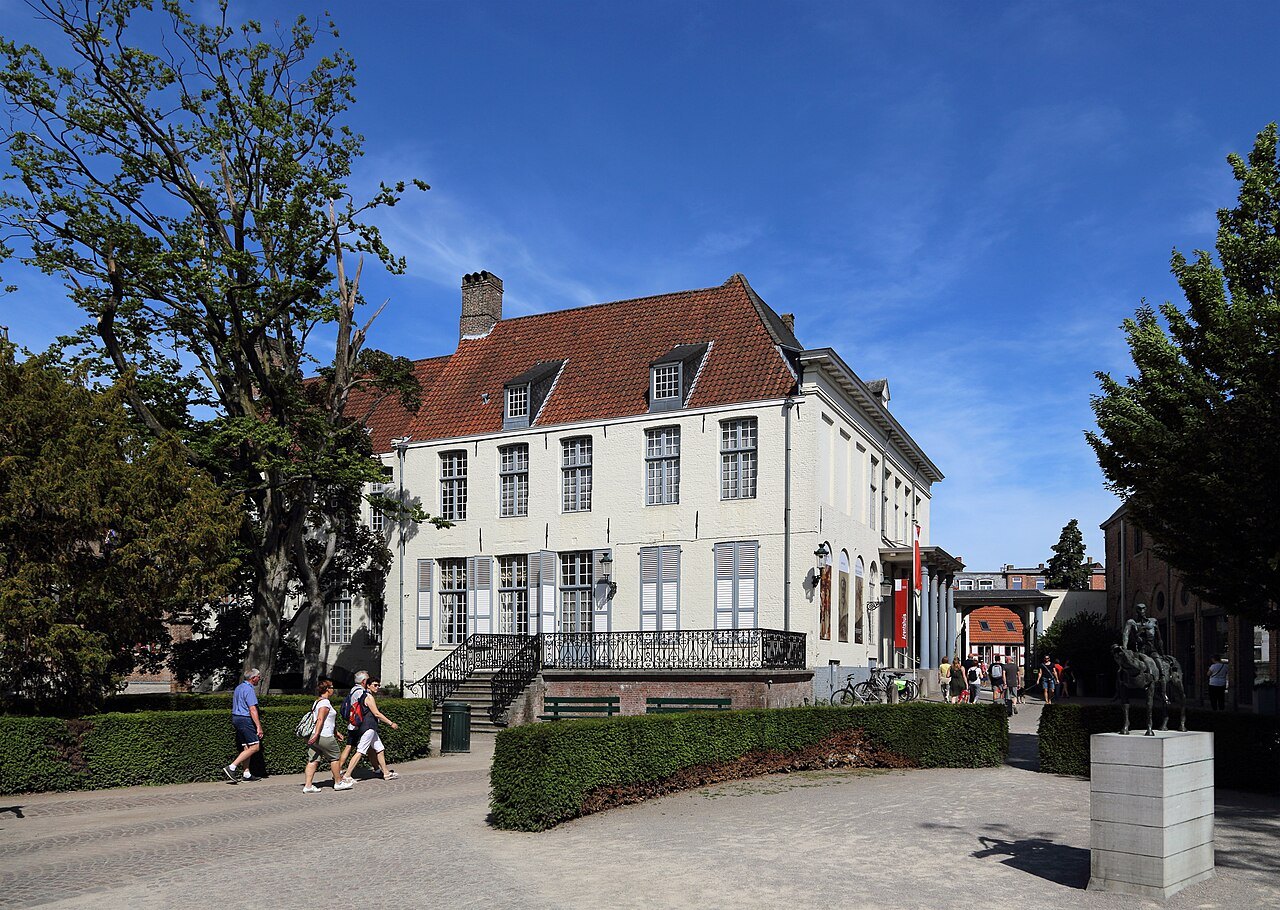
The Groeningemuseum is not a large building, but its most famous paintings are small, hung close together, and often circled by several people at once. A room that looks empty from the doorway can fill within minutes once a tour group arrives. Arriving with a rough plan for which rooms matter most, rather than wandering the full six centuries in order, is the difference between a calm look at Jan van Eyck and a shuffle past the back of someone's head.
The museum sits behind a gateway set back from the quay described on the Dijver page, on the site of the old Eekhout Abbey. It is reached on foot from the Rozenhoedkaai and the Dijver quay, a walk of a few minutes from the Burg. Treat the walk there as part of the morning rather than a chore to rush through; the quay is one of the pleasantest in the city and sets the scene for what follows.
Start with the Early Netherlandish rooms
The paintings that justify a special trip to Bruges are concentrated in a small number of rooms near the start of the collection, and they are the ones worth reaching before the museum fills. Jan van Eyck's Madonna with Canon van der Paele, from 1436, and his 1439 portrait of his wife Margaret are the two works most visitors come to see, and both reward being seen from close range, since the detail is worked at a scale meant for private, not public, viewing.
In the same stretch of rooms hang Gerard David's two panels of the Judgment of Cambyses, painted in 1498, a grim and precisely detailed pair of scenes, and Hieronymus Bosch's Last Judgement, from around 1486, one of the strangest things in the building. Hans Memling's work is also here. These rooms are compact, and a group of ten people can make one feel crowded, which is exactly why a morning visit, and an early one within it, pays off.
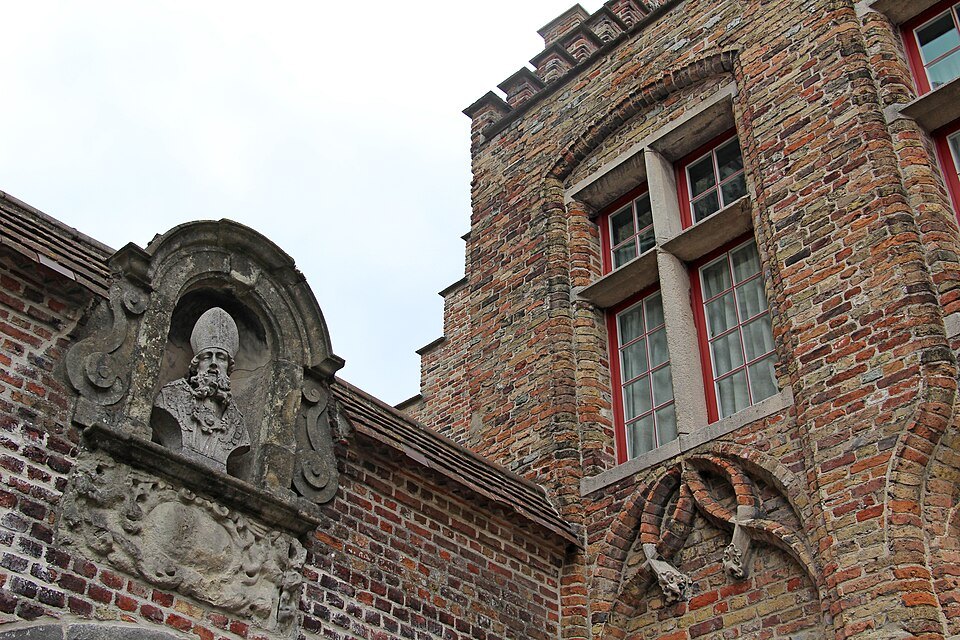
For background on who these painters were, how they worked, and where else in Bruges their paintings hang, the Flemish masters page is the fuller reference; the Sint-Janshospitaal holds the city's other major concentration of Memling's work, should time allow a second stop later in the day.
Then let the later rooms go at their own pace
Once the early rooms are done, the museum moves forward through later Flemish and Belgian painting, into symbolism and on to twentieth-century work including Marcel Broodthaers. This part of the collection is less crowded and does not need the same urgency; it can be walked at whatever pace the remaining time allows, and cut short without losing the point of the visit if the morning is running out.
A visitor who has only a morning and has already given the early rooms their due can treat the later galleries as a bonus rather than an obligation. Skimming them quickly is a reasonable trade if time is tight, since nothing there is likely to be missed as keenly as a rushed glance at the van Eycks would be.
Timing a morning around it
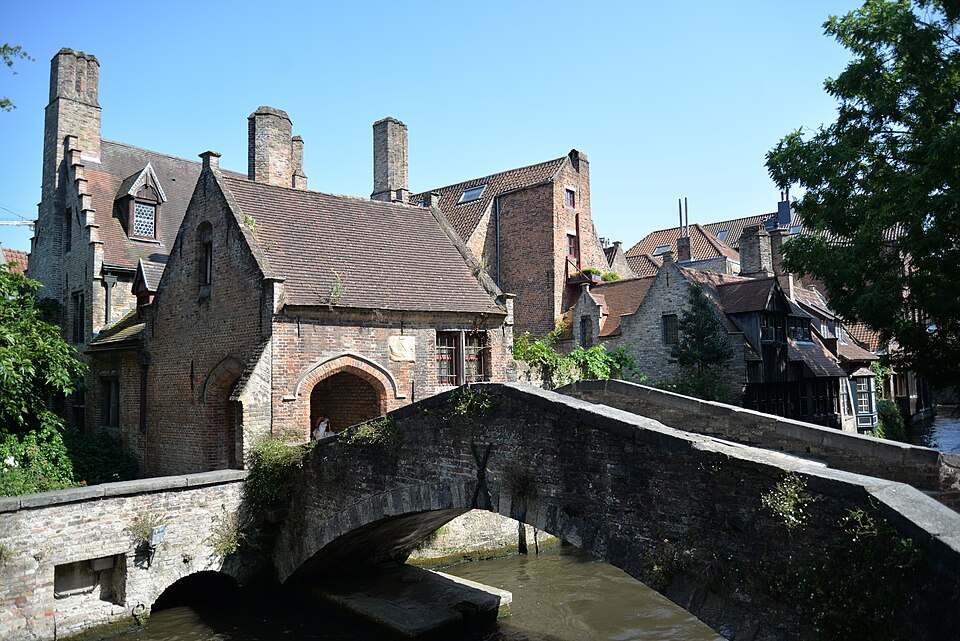
A visit that includes the early rooms properly, plus a reasonable pass through the rest, needs at least an hour and a half inside the building. Add the walk along the Dijver quay, a look at the small Arentshof garden behind the museum with its bronze horsemen by Rik Poot, and the crossing of the narrow Bonifacius footbridge, and the whole stretch comfortably fills a morning on its own.
Entry arrangements, including how tickets are issued and whether specific entry windows apply, are set by Musea Brugge and are best checked directly with them before the visit, since these details change. The general rule for any popular Bruges sight applies here too: the earlier in the day a visitor arrives, the shorter the wait and the quieter the rooms are likely to be. The booking ahead page covers how to plan around tickets for this and other sights in the city.
Before or after, not instead of, the quay
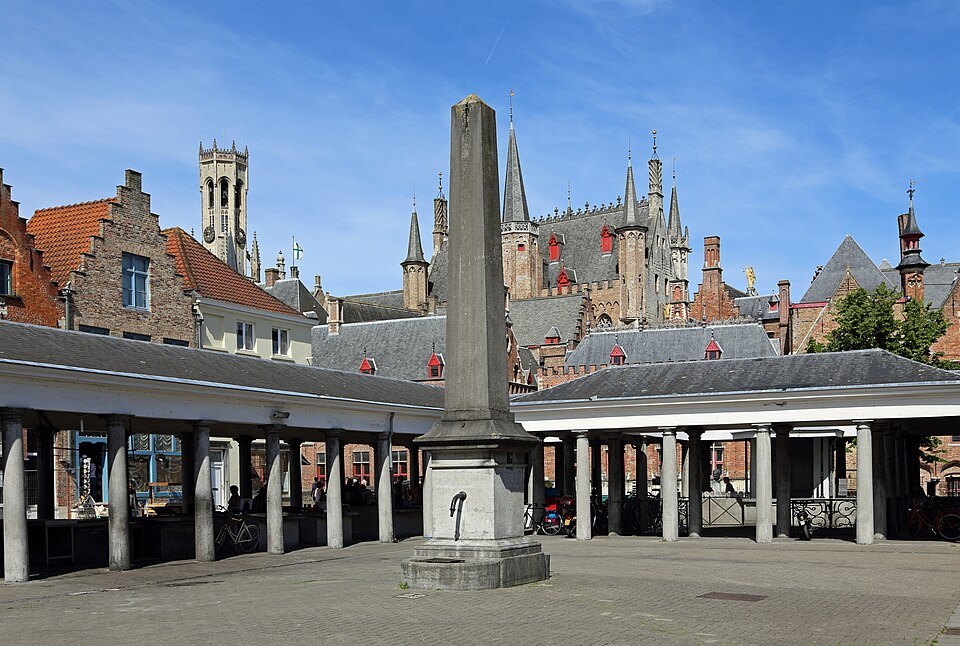
Save some of the morning for the quay itself rather than treating the museum as the whole errand. The Dijver is shaded, level, and lined with benches, and the walk from the Rozenhoedkaai past the College of Europe buildings to the museum gateway takes only a few minutes. A small bridge carrying a statue of St. John of Nepomuk crosses the water near the start of the quay and is worth a glance on the way.
Past the museum, the Arentshof garden and the Bonifacius footbridge behind it are close enough to combine with the museum visit without adding much walking. The footbridge, framed by old brick walls and the tower of the Church of Our Lady beyond, is one of the most photographed corners of the city and is calmer earlier in the day, which fits naturally with an early museum visit. At the end of the quay the brick mass of the Gruuthuse palace marks a good point to continue the walk southward.
Where the morning can lead next
A morning built around the Groeningemuseum sits naturally at the start of a longer walk south through the old town. From the Bonifacius footbridge, the route continues on to the Church of Our Lady and, beyond it, the Beguinage, both described on the itineraries page, which builds a full day around this stretch of the city.
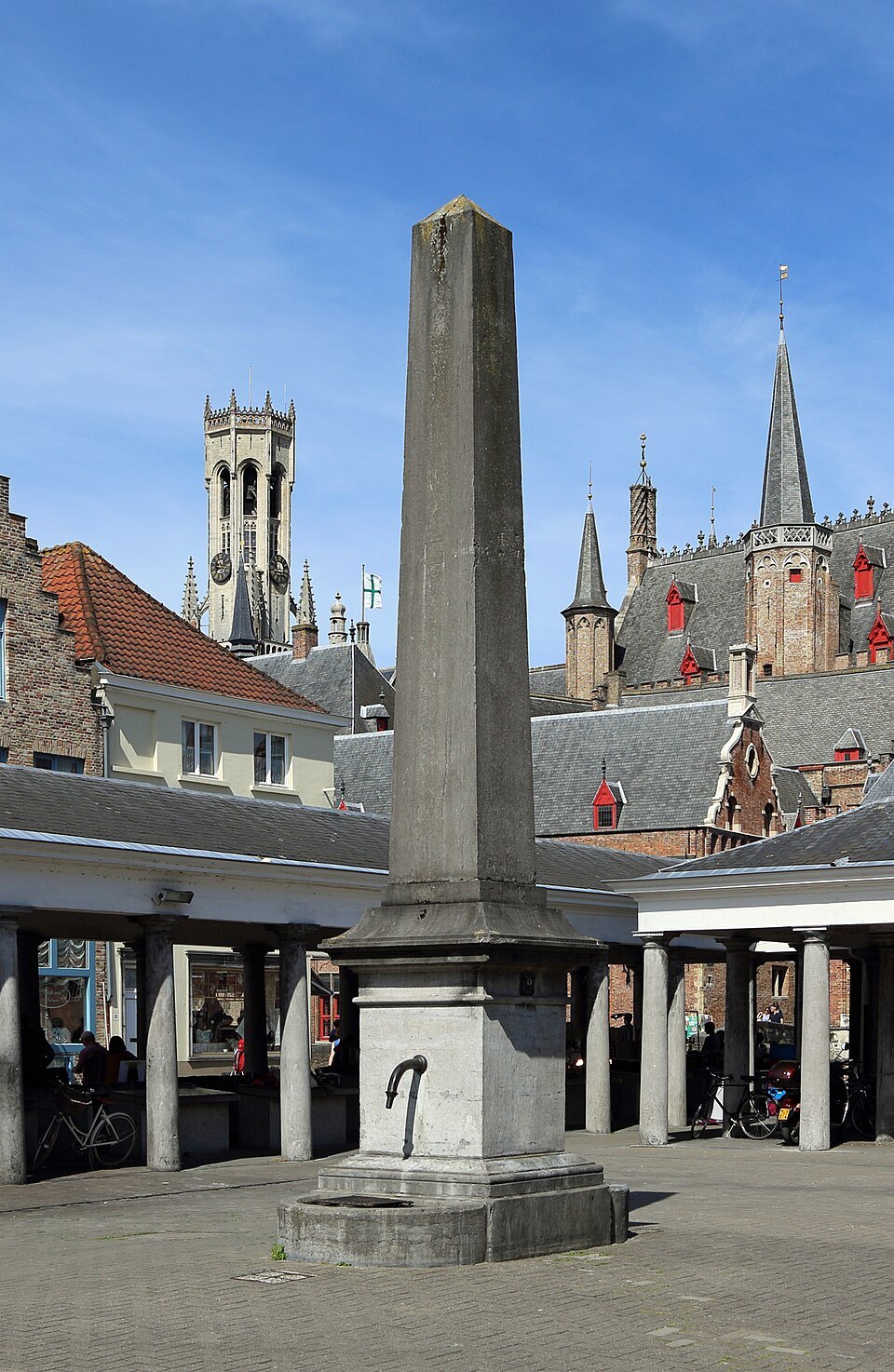
For a visitor trying to decide how much of the day the museum deserves against everything else in Bruges, it helps to remember that the early rooms are the irreplaceable part. A short, focused visit that gives real attention to Van Eyck, David, Bosch and Memling, followed by a walk along the canal rather than a forced march through every later gallery, is a better use of a single morning than an exhausted attempt to see all of it at once.
Read next
- The Flemish MastersWhere to see Van Eyck and Memling in Bruges in one unhurried dayA route through the Groeningemuseum, the Church of Our Lady and St. John's Hospital to see the paintings made in fifteenth-century Bruges, and what to look for.Read
- ItinerariesSeeing Bruges in a single day without spending it in queuesA walking plan for one day in Bruges that puts the famous squares early and late, the museums in the middle, and keeps lines and crowds to a minimum.Read
- RozenhoedkaaiPhotographing the Rozenhoedkaai before the crowds and after the lights come onHow to catch Bruges's most photographed canal corner in quiet morning light and again after dark.Read